An ACL injury is one of the most frequent yet serious knee ligament injuries, especially among athletes, fitness enthusiasts, and individuals involved in physically demanding work. A sudden twist, awkward landing, or direct impact can tear the anterior cruciate ligament, leading to pain, swelling, and instability that significantly affect daily activities.
For international patients travelling overseas, understanding the right ACL injury treatment, realistic ACL surgery recovery time, and the full rehabilitation process is essential before planning surgery.
With modern minimally invasive arthroscopy, expert orthopedic surgeons, and structured physiotherapy programmes, most patients achieve excellent recovery and return to sports or normal life safely. Early diagnosis, timely surgery, and consistent rehabilitation make all the difference.
ACL reconstruction today is highly precise and minimally invasive. However, surgery alone does not guarantee success. Functional recovery depends equally on structured physiotherapy, muscle strengthening, and patient commitment to rehabilitation.
Delays in treatment may lead to repeated instability, cartilage damage, meniscus tears, and early arthritis. Early specialist consultation significantly improves outcomes and reduces long-term complications.
Patients travelling internationally should plan an adequate stay for supervised rehabilitation, maintain excellent nutrition, and follow post-operative instructions strictly to ensure safe and complete recovery.
Orthopaedic Surgeon’s Perspective on ACL Injury Treatment
From a clinical standpoint, untreated or poorly managed ACL tears often result in chronic knee instability. Each episode of “giving way” damages surrounding structures such as the meniscus and cartilage, complicating future treatment.
ACL reconstruction is not a single event but a structured process involving:
Surgical repair
Early mobilisation
Progressive strengthening
Sports-specific rehabilitation
Long-term follow-up
Surgery restores anatomy, but rehabilitation restores function.
What is an ACL injury?
The anterior cruciate ligament (ACL) connects the thigh bone (femur) to the shin bone (tibia). It stabilises the knee during running, jumping, and directional changes.
When torn, patients often experience:
A popping sensation at injury
Immediate swelling
Severe pain
Knee instability
Difficulty walking or bearing weight
These injuries are common during football, basketball, skiing, gym workouts, and road accidents.
Common Causes of ACL Tears
Most ACL injuries occur when the knee is subjected to sudden or forceful movements that place excessive stress on the ligament. Quick pivoting or twisting motions, especially during sports, can strain the knee beyond its normal range. Incorrect landing after a jump or abrupt stops while running also increase pressure on the joint, making tears more likely.
Direct collisions, falls, or traumatic accidents such as road injuries can further damage the ligament. While athletes are commonly affected due to high-intensity activity, non-athletes can also sustain ACL tears during everyday movements or unexpected slips, depending on their level of physical stress and exposure.
Types of ACL Injuries
Not all ACL injuries are the same. The severity of the tear determines how unstable the knee feels, what treatment is required, and how long recovery may take. Understanding the type of injury helps patients make informed decisions about their care and expectations.
Partial Tear
In a partial tear, the ligament is stretched or mildly damaged but not completely broken. The knee may still feel stable during everyday activities, though pain and swelling are common. Many patients recover well with rest, bracing, and structured physiotherapy, making conservative (non-surgical) management a suitable option in selected cases.
Complete Tear
A complete tear means the ligament is fully ruptured and cannot stabilise the knee. Patients often experience repeated “giving way” episodes while walking or turning. For active individuals, athletes, or those with demanding lifestyles, surgical reconstruction is usually recommended to restore strength, stability, and confidence in movement.
Combined Injury
Sometimes the ACL tear occurs along with damage to the meniscus or cartilage. These combined injuries are more complex and may cause greater pain, locking, or stiffness in the knee. Treatment typically involves comprehensive surgery and a longer, carefully monitored rehabilitation programme to ensure full functional recovery.
Early diagnosis and timely treatment significantly improve outcomes for all types of ACL injuries.
Diagnosis of Knee Ligament Injury
Accurate diagnosis ensures timely treatment and better outcomes.
Doctors typically perform:
Clinical examination and stability tests
Swelling assessment
MRI scan to confirm ligament damage
X-rays to rule out fractures
MRI helps determine the exact severity and associated injuries.
ACL Injury Treatment Options
Non-Surgical Management
Suitable for minor tears or low-activity patients:
Rest and ice therapy
Knee braces
Pain medications
Physiotherapy
Muscle strengthening
However, many active individuals continue to feel instability without surgery.
Surgical Treatment – ACL Reconstruction
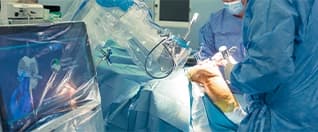
Arthroscopic ACL reconstruction is considered the gold standard for most patients.
During surgery:
The torn ligament is removed
A tendon graft (hamstring or patellar tendon) replaces the ACL
Tiny incisions are used
Recovery is faster with minimal scarring
Patients usually stand or walk with support within 24–48 hours.
ACL Surgery Recovery Timeline
Phase
Timeline
Goals
Early Recovery
0–2 weeks
Pain control, swelling reduction
Mobility Phase
2–6 weeks
Walking independently
Strength Phase
6–12 weeks
Muscle rebuilding
Advanced Rehab
3–6 months
Jogging, agility drill
Full Return
6–9 months
Competitive sports
Most daily activities resume within 4–6 weeks.
Rehabilitation After ACL Surgery
Rehabilitation is critical to restoring strength and stability.
Key components include:
Early gentle movements to prevent stiffness
Quadriceps and hamstring strengthening
Balance and coordination training
Functional exercises for walking and stairs
Gradual sports-specific drills
Skipping physiotherapy can delay or compromise recovery.
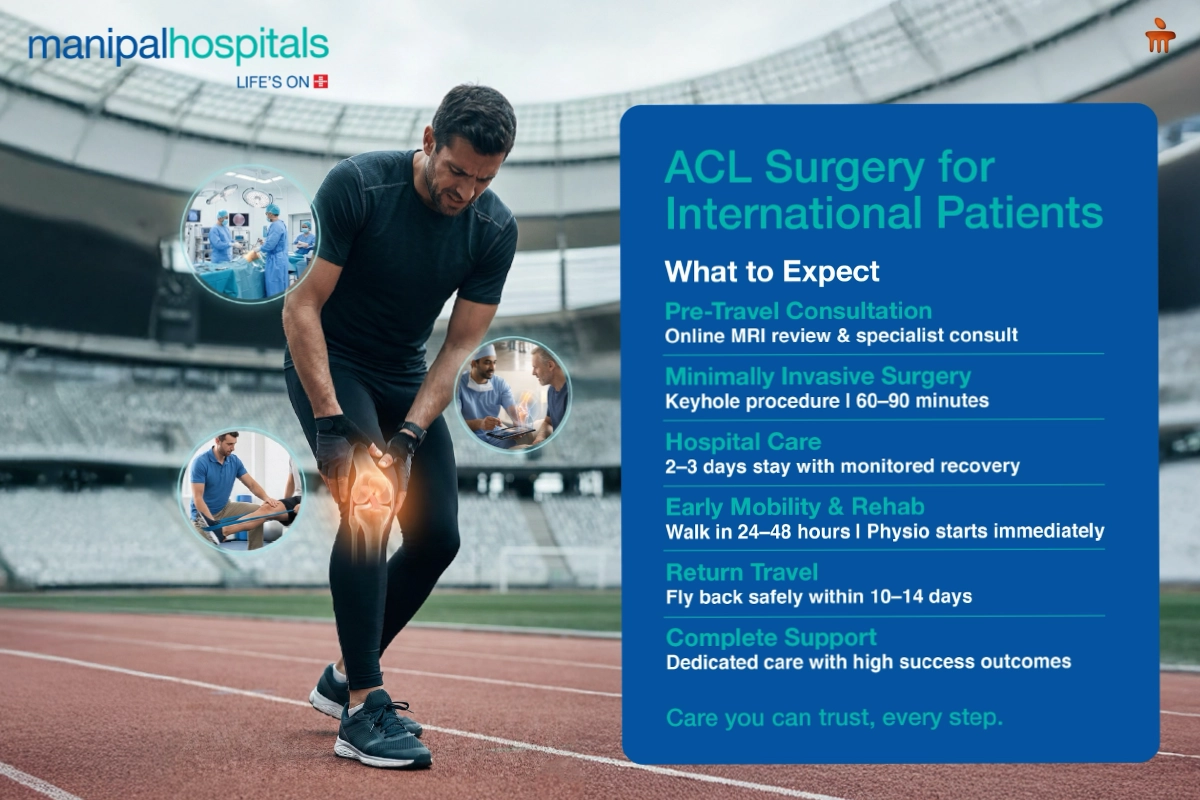
International patients are advised to stay near the hospital for 2–3 weeks for supervised sessions.
Travel Planning for International Patients
If traveling overseas for ACL injury treatment, plan ahead:
Arrive 2–3 days before surgery
Stay 2–3 weeks post-surgery
Carry MRI scans and medical reports
Book airport assistance
Avoid long walking initially
Attend follow-up teleconsultations after returning home
Proper planning ensures safe recovery and stress-free travel.
This integrated approach ensures faster recovery and a smoother treatment journey.
Expected Outcomes
With timely ACL injury treatment and rehabilitation, most patients achieve:
Stable knee function
Reduced pain
Full range of motion
Return to sports and fitness
Long-term joint protection
Over 90% regain their previous activity levels.
Conclusion
An ACL injury can temporarily disrupt mobility and confidence, but it is highly treatable. With modern ACL injury treatment, minimally invasive surgery, and structured physiotherapy, recovery outcomes are excellent.
International patients benefit from expert orthopaedic care, coordinated support, and personalised rehabilitation programmes. Early diagnosis, timely surgery, and commitment to rehabilitation help restore strength, stability, and independence—allowing you to safely return to daily life and sports.