Joint Replacement Surgery Abroad: A Complete Patient Guide From Surgery to Recovery
Reviewed by: Orthopaedics & Joint Replacement Department
Posted on Feb 24, 2026
12 Min Read
Has living with joint pain made you start planning your life around it? Avoiding stairs, limiting travel, and cutting short family outings often happen gradually. For many people, when medications, physiotherapy, and injections no longer help, joint replacement surgery becomes the next step toward reclaiming movement and independence.
For patients travelling abroad, the decision involves more than just the operation itself. Questions about the type of procedure, hospital standards, recovery timelines, travel safety, and long-term outcomes naturally come up. In this blog, we’ll walk through the different types of joint replacement surgery, what recovery truly looks like, the expected outcomes, and what international patients should carefully consider before planning treatment overseas.
Synopsis
What is Joint Replacement Surgery?
Joint replacement surgery is a procedure in which a damaged joint surface is removed and replaced with artificial components made of metal, ceramic, or medical-grade polyethylene. These implants are designed to replicate natural joint movement while improving joint alignment, increasing stability, and reducing pain caused by cartilage loss, deformity, or stiffness.
For international patients, the appeal often lies in accessing high-quality orthopaedic care, shorter waiting times, and experienced surgical teams specialising in complex reconstructions.
Who Is a Suitable Candidate?
A simple joint pain is not sufficient to qualify a patient for a replacement surgery - there are multiple factors and health conditions that need to be evaluated to fully determine that the patient is indeed the right candidate for the surgery.
You may be considered for joint replacement surgery if you have:
Severe osteoarthritis confirmed on imaging
Rheumatoid arthritis causing joint destruction
Avascular necrosis (loss of blood supply to bone)
Post-traumatic joint damage
Persistent pain despite medications, injections and physiotherapy
Significant limitation in daily activities such as walking, dressing, or climbing stairs
For overseas patients, surgeons typically request detailed imaging (X-rays, MRI if needed), blood tests, and a comprehensive medical history before confirming surgical suitability.
However, it also brings up the question of who is not suitable for a joint replacement. Considering the recovery is a massive part of getting the surgery, the patient may not be deemed healthy enough in certain cases, such as:
Active infection
Poorly controlled diabetes
Severe heart instability
Significant wound-healing risk
Accordingly, a thorough evaluation is conducted to determine the suitability of the patient.
Types of Joint Replacement Surgery
When it comes to joint replacement surgeries, you may always think of a knee replacement surgery or a hip replacement surgery. While these are indeed two of the most common joint replacement surgeries, there are a few more that fall under the umbrella.
Knee Joint Replacement Surgery
Knee joint replacement surgery involves resurfacing the damaged ends of the femur, tibia, and sometimes the patella. It may be:
Total knee replacement (TKR): The entire joint surface is replaced
Partial knee replacement (PKR): Only the damaged compartment is replaced
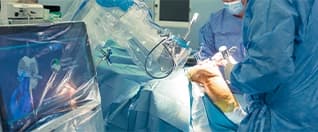
Modern implants are designed for stability and longevity. Surgical techniques may include minimally invasive approaches, computer navigation, or robotic assistance to improve alignment accuracy.
For international patients, understanding the surgical plan and implant choice before travel is crucial, as this influences rehabilitation and long-term performance.
Hip Joint Replacement Surgery
Hip joint replacement surgery replaces the damaged femoral head and acetabulum. The artificial joint typically consists of:
A metal stem inserted into the thigh bone
A ceramic or metal ball
A socket lined with polyethylene or ceramic
Approaches may vary for posterior, lateral, or anterior, each with specific rehabilitation considerations. The choice depends on anatomy, surgeon expertise, and patient factors.
Hip replacement is often performed for severe arthritis or fractures and is known for providing dramatic pain relief when properly indicated.
Other Joint Replacements
Although knees and hips are most common, shoulder and ankle replacements are also increasingly performed for carefully selected patients. These procedures demand specialised expertise and may require longer rehabilitation support.
Pre-Operative Planning for Abroad Patients
When travelling for joint replacement surgery, preparation is key. This goes beyond booking flights.
Essential steps include:
Virtual consultation with the orthopaedic surgeon
Reviewing imaging and medical clearance
Managing chronic conditions such as diabetes or hypertension
Stopping smoking at least 4-6 weeks prior
Planning post-operative stay (typically 10-21 days depending on procedure)
Arranging a travel companion for assistance
Medical Tourism programmes often provide integrated care packages, including airport transfers, hospital stay, and physiotherapy coordination.
What Happens During Surgery?
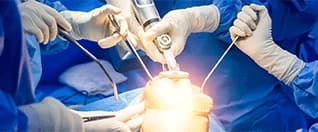
Joint replacement surgery is usually performed under spinal or general anaesthesia. The surgeon:
Removes damaged cartilage and bone
Shapes the bone to fit the implant
Inserts and secures prosthetic components
Ensures joint stability and alignment
Closes the incision with sutures or staples
The procedure typically lasts:
1.5-2 hours for knees
1-1.5 hours for hips
Hospital stay ranges from 3 to 5 days, depending on recovery speed and overall health.
Recovery Timeline: What to Expect
Recovery in the aftermath of a joint replacement surgery is not linear. As such, knowing what to expect in the days and weeks following the procedure can help caretakers be prepared to support the patient through it. This is especially important to know for overseas patients, who need to be fit enough to travel back as well.
Phase
Time Frame
Physical Progress
Travel Considerations
Immediate Post-Op
Days 1-3
Standing with support, beginning physiotherapy
Short supervised walks only
Early Recovery
Weeks 1-2
Walking with a walker/crutches, pain improving
Fit-to-fly assessment required
Intermediate Phase
Weeks 3-6
Increased range of motion, reduced swelling
Long flights may require DVT precautions
Strengthening Phase
6-12 Weeks
Improved muscle strength, independent walking
Most patients can travel safely
Functional Recovery
3-6 Months
Resuming low-impact activities
No specific travel restrictions
Knee Replacement Recovery
Knee replacement recovery often involves structured physiotherapy focusing on bending and straightening exercises. Regaining at least 110-120 degrees of flexion is a common early target. Swelling can persist for several weeks, and consistent rehabilitation is critical for optimal results.
Possible Risks and How They Are Managed
Risks are common across all major procedures, such as surgeries. Even in the case of joint surgeries, certain minor and major complications may arise. Potential complications include:
Infection
Blood clots (deep vein thrombosis)
Implant loosening
Joint stiffness
Nerve injury
Preventive strategies include antibiotic protocols, blood thinners, early mobilisation, and sterile operating environments. International patients should confirm hospital accreditation and infection control standards before proceeding.
Long-Term Outcomes
Modern joint replacement surgery has excellent durability. Studies show that 90-95% of knee implants function well at 10-15 years, while 85-90% of hip implants last 20 years or more. This adds incredible value to the procedures, as they assure the patient of long-term relief, even if there may occur the need to redo the procedure someday.
These long-term outcomes depend on multiple factors, such as:
Surgical technique
Implant positioning
Patient weight and activity level
Commitment to physiotherapy
Most patients report substantial pain reduction, improved mobility, and better quality of life within months of surgery. However, to maintain positive outcomes and to prolong implant lifespan, high-impact sports such as running or jumping are generally discouraged.
Emotional and Practical Considerations for Overseas Patients
Travelling for surgery can feel overwhelming. Language differences, unfamiliar surroundings, and distance from home support systems add emotional layers to recovery. Choosing a globally situated and fully-equipped centre ensures you get coordinated international patient services, clear communication, and structured follow-up plans that make the journey smoother and safer.
Before flying back:
Obtain a medical fitness-to-travel certificate
Continue anticoagulant medication if prescribed
Wear compression stockings during long flights
Perform in-seat ankle exercises
Stay hydrated
Follow-up may be coordinated virtually, but ensure a local physician is available for wound checks and ongoing physiotherapy support.
Conclusion
Chronic joint pain has a way of quietly shrinking your routine. What begins as occasional stiffness can gradually turn into missed walks, avoided travel plans, and hesitation before even simple movements. Joint replacement surgery has, over the years, become a reliable and thoroughly studied solution for restoring mobility and easing persistent discomfort when other treatments no longer help.
If you are considering knee joint replacement surgery or hip joint replacement surgery, it is wise to seek advice from an experienced orthopaedic team familiar with the needs of international patients. Manipal Hospitals Global offers structured pathways designed to support patients before, during, and after treatment. With thoughtful planning and expert care, many individuals regain not just movement, but the freedom to return to the life they had been missing.