Manipal Hospitals Global Logo

Revolutionizing Cancer Care: A Beacon of Hope for International Patients

Reviewed by: Dr. Amit Rauthan

Posted on Jun 30, 2025

9 Min Read
Revolutionizing Cancer Care for International Patients
Cancer. The word alone can evoke fear, uncertainty, and a whirlwind of emotions, casting a shadow over every aspect of life. For international patients, particularly those from Africa seeking treatment abroad, the journey can seem even more daunting— seeking treatment in a foreign healthcare system and navigate an already taxing and trialing situation while navigating the emotional weight of a life-altering illness. However, with the evolution of the healthcare domain, cancer care is undergoing a seismic shift, with new rays of hope being delivered to patients via advancement in treatments like immunotherapy, precision oncology, and targeted therapies. At Manipal Hospitals Global’s advanced and pioneering center in India, our experts have tailored these advances into high-quality, comprehensive interventions to meet the needs of the international patients. This blog delves into the evolution of cancer treatment, the transformative power of early detection, and the holistic, multi-disciplinary approach of Manipal Hospitals that guides patients toward recovery and survivorship, with a special focus on those traveling from afar.

From Chemotherapy to Immunotherapy: An Evolution in Cancer Treatment

For decades, chemotherapy was the most common treatment for advanced cancers. While it was one of the effective methods in some cases, its nature of treating the patient cells was non-selective, attacking both cancerous and healthy cells. This method often led to debilitating side effects: nausea, vomiting, hair loss, fatigue, and compromised immunity. 

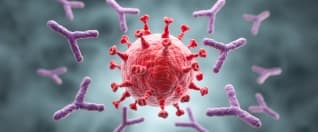
Today, advancements such as immunotherapy are revolutionizing cancer care, offering a gentler, more targeted approach that empowers the body’s immune system to fight cancer.
Evolving from chemotherapy, immunotherapy deviates from directly killing the affected cells. Instead, it removes the barriers that prevent the immune system from recognizing the cancer cells and attacking them. 

This approach has been gaining recognition for more targeted success and has proven to be highly effective for cancers such as:

  • advanced melanoma.

  • kidney cancer.

  • lung cancer.

  • head and neck cancers.

  • breast cancer.

  • stomach cancer.

  • esophageal cancer.

  • urinary bladder cancer.

  • endometrial cancer.

  • specific types of colon cancer. 

For international patients, the advancement in immunotherapy that Manipal Hospitals offers, is aimed to provide a lifeline: it’s generally well-tolerated, with minimal side effects compared to chemotherapy. Most patients do not experience the side effects like nausea, hair loss, and low blood counts associated with traditional treatments. In rare cases (5-10% of patients), an overactive immune response may cause side effects like diarrhea, skin rashes, hypothyroidism, or, in very rare instances, breathing difficulties or colitis. These are closely monitored and manageable with prompt intervention.

The true power of immunotherapy lies in its ability to create lasting results. While the treatment creates healed body’s immune cells, it curates a “memory” like scope, that grows with the ability to prevent cancer recurrence, offering long-term survival for responding patients. 

Dr. Amit Rauthan, HOD & Consultant, Manipal Hospital, Old Airport Road addressed, “Our centre in India was among the earliest adopters of immunotherapy, and we’ve witnessed remarkable outcomes, particularly for stage 4 lung and breast cancer patients from Africa. Many of these patients, once facing limited survival prospects, are now living vibrant, high-quality lives—a testament to the transformative potential of this therapy.

Precision Oncology at Manipal Hospitals Global: Personalized Care for Every Tumor

Just as every cancer case is different, so is every patient. Precision oncology, also known as precision medicine, imbibes this by curating treatment to the unique genetic requirement of each patient’s tumor. At international institutions like Manipal Hospitals Global, advanced next-generation sequencing (NGS) is done by analysing tumor biopsies in order to identify molecular driver mutations, which helps in identifying the genetic changes fuelling cancer growth. This helps the experts to choose targeted therapies that block the pathways, offering more effective treatment with fewer side effects.

For international patients, precision oncology is a game-changer. Many arrive at our centre with incomplete diagnostic reports, often lacking critical details like immunohistochemistry (IHC) or molecular profiling. We bridge these gaps with comprehensive diagnostics, including PET-CT scans and advanced biopsies with IHC and NGS analysis, to ensure accurate staging and diagnosis. For example, we’ve treated African patients with breast cancer and lung cancers who had previously received standard chemotherapy. Through NGS, we identified mutations like EGFR in lung cancer, enabling us to switch to targeted therapies—often simple oral medications—that dramatically improved outcomes. Similarly, antibody-drug conjugates (ADCs), a cutting-edge innovation, combine monoclonal antibodies with chemotherapy drugs to deliver treatment directly to cancer cells, sparing healthy tissue. This approach is particularly effective for breast cancer, a common diagnosis among our African patients.

Our expertise in precision oncology ensures that every patient receives a personalized treatment plan, optimized for their specific cancer subtype. By integrating targeted therapies, biological therapies, and immunotherapy, we’re redefining cancer care, offering hope even in advanced cases.

Early Detection has Lifesaving Power: A Breast Cancer Case Study

Early detection can mean the difference between a manageable treatment journey and a gruelling battle. For international patients, accessing timely screenings can be challenging, but the impact is undeniable. Consider the case of an African patient who visited our center for a routine mammogram. The scan revealed an early-stage HER2-positive breast cancer lesion. Because we caught it early, we designed a comprehensive treatment plan: neoadjuvant chemotherapy to shrink the tumor, anti-HER2 targeted therapy to attack the specific cancer subtype, breast conservation surgery to remove the lesion while preserving the breast, and radiation to eliminate any residual cancer cells. The patient completed her treatment with additional anti-HER2 therapy and is now considered cured, living a full life with her breast intact.

This case showcases the importance of early detection, particularly for breast cancer, which is prevalent among African patients seeking care at our center. Early-stage cancers have a high potential for complete cure, often requiring less invasive procedures and shorter treatment durations. For international patients, this means less time away from home and a faster return to normal life. 

Note: Symptoms like persistent coughs, unexplained weight loss, or new bone pain should never be ignored, as they may signal a recurrence that requires prompt investigation.

We educate all our patients on self-examination techniques like:

  • checking for lumps.

  • skin changes.

  • swollen lymph nodes and 

  • encourage regular screenings.

Comprehensive Care at Manipal Hospitals Global: A Seamless Journey for International Patients

For international patients, navigating cancer care in a foreign country can feel overwhelming. At our center, we’ve designed a streamlined, multi-disciplinary approach to make the journey as smooth and supportive as possible. It begins with our Medical International Patient Care (MIPC) office, which serves as the first point of contact. Patients send their medical reports, which are often incomplete or lack advanced testing. Our team reviews these reports and coordinates additional diagnostics, such as PET-CT scans, biopsies with IHC, and molecular testing, to ensure accurate diagnosis and staging.

Every patient’s case is discussed in our tumor board, a collaborative forum where medical oncologists, surgical oncologists, radiation oncologists, pathologists, and genetic counsellors come together to create a tailored treatment plan. For example, a breast cancer patient from Africa might undergo a PET-CT scan to assess the disease’s spread, followed by a biopsy to confirm the cancer subtype. Our radiologists may place a clip in the breast to mark the lesion’s location, ensuring precision during surgery. The patient might receive neoadjuvant chemotherapy and targeted therapies, followed by breast conservation surgery and radiation. After treatment, we provide detailed protocols for continuing care in their home country, supported by teleconsultations and regular communication with local oncologists.

Genetic testing is a critical component of our care, especially for patients with hereditary cancers like BRCA1-positive breast or ovarian cancer. Our genetic department conducts hereditary cancer panel testing, providing personalized recommendations for patients and their families to prevent future cancers. For instance, we’ve guided African patients with genetic predispositions on preventive measures, empowering them to protect their health and their loved ones.
Reclaiming Life After Cancer

Surviving cancer is about more than just completing treatment—it’s about rebuilding a life of purpose and joy. Our survivorship care plan addresses the medical, emotional, and lifestyle needs of international patients, ensuring they thrive long after treatment ends. Medically, we emphasize regular follow-ups: every three to six months for the first year, every six months for the next few years, and annually thereafter. For international patients, these check-ups can often be done in their home countries, with PET-CT scans or other tests sent to our MIPC office for review. If abnormalities arise, patients can return to our center or consult with us via video calls, ensuring continuity of care no matter where they are.
Emotionally, our psycho-oncology team is a cornerstone of support. A cancer diagnosis can trigger reactions like:

  • anxiety

  • fear

  • PTSD-like symptoms, especially for patients far from home. 

Our psycho-oncologist provides counselling, teaching breathing exercises and stress management techniques to help patients navigate the emotional challenges of treatment and recovery. Unlike psychiatric care, which some patients may hesitate to seek, our psycho-oncology services focus on non-medicated support, offering a safe space to process emotions and build resilience.

Lifestyle changes are equally critical. We guide patients toward a healthy diet—high in protein, low in processed foods and sugars—and encourage daily physical activity, such as walking, yoga, or even running marathons for those who are able. Avoiding harmful habits like smoking, tobacco use, or excessive alcohol is non-negotiable. Our dietary team tailors recommendations to respect cultural preferences, ensuring that patients from Africa can adopt healthy eating habits that align with their traditions. Rehabilitation services, including post-surgical exercises for breast cancer patients, help prevent complications like lymphedema and restore mobility.

Understanding “Cure” and Embracing the Future

One of the most common questions we hear from patients is, “Am I cured?” In cancer care, “cure” is a retrospective term, often applied after five years without recurrence. However, we encourage patients not to fixate on this milestone. Instead, we focus on helping them return to their normal lives:

  • reconnecting with family.

  • resuming work.

  • pursuing what their passions are. 

After completing treatment, such as surgery and chemotherapy, patients are declared cancer-free and encouraged to live fully while staying vigilant with regular follow-ups.
For international patients, we provide clear guidance on monitoring for recurrence. Breast cancer patients, for example, are taught to examine their breasts for lumps, skin changes, or swollen lymph nodes. General symptoms like persistent coughs, unexplained weight loss, or new bone pain warrant immediate investigation. By combining medical vigilance with a healthy lifestyle—meditation, exercise, and a balanced diet—patients can maximize their chances of long-term survival.

A Global Commitment to Healing

At Manipal Hospital Global centres in India, we’re not just treating cancer—we’re transforming lives. As early adopters of immunotherapy, precision oncology, and targeted therapies, we’ve seen first-hand the power these advancements have and how they offer hope where none existed before. For international patients, we offer a seamless, compassionate care experience, from initial diagnosis to survivorship. Our multi-disciplinary team, advanced diagnostics, and commitment to holistic care ensure that every patient receives the best possible treatment, tailored to their unique needs.

If you or a loved one is facing a cancer diagnosis, know that you’re not alone. Our MIPC office is here to guide you every step of the way, offering world-class care with the warmth and support you need to heal.

About Manipal hospitals:

As a pioneer in healthcare, Manipal Hospitals is among the top healthcare providers in India serving over 250K+ patients annually. Its focus is to develop an affordable, high quality healthcare framework through its multispecialty and tertiary care delivery spectrum and further extend it to out of hospital care. With the completion of acquisition of AMRI Hospitals, the integrated network will have a pan-India footprint of 49 hospitals across 24 cities with 12,600+ beds, and a talented pool of over 11,000 doctors and an employee strength of over 34,000.

Manipal Hospitals provides comprehensive curative and preventive care for a multitude of patients from around the globe. Manipal Hospitals is NABH, AAHRPP accredited and most of the hospitals in its network are NABL, ER, Blood Bank accredited and recognized for Nursing Excellence. Manipal Hospitals has also been recognised the most respected and patient recommended hospital in India through various consumer surveys.

Share this Article

FacebookTwitterLinkedInWhatsApp
Human Care Experts

Not sure what you’re looking for?qq

Get in touch with our
representatives for help!

Similar Blogs

Footer Logo

98, HAL Old Airport Road, Kodihalli, Bengaluru, Karnataka 560017

Accreditations

Nabl iconNabh icon

Facebook iconTwitter iconInstagram iconYoutube icon

Copyright © 2025 Manipal Hospitals - All Rights Reserved