HomeBlogsLung cancer awareness for international patients prevention screening
Lung Cancer: Symptoms, Risk Factors, Screening and Treatment
Reviewed by: Cancer Care Department
Posted on Nov 24, 2025
8 Min Read
Breathing is something we rarely think about until it becomes difficult. While November’s Lung Cancer Awareness Month shines a vital spotlight on the disease, protecting your lungs is a year-round necessity.
This comprehensive guide is designed to help you understand the complete patient journey: from identifying lung cancer symptoms and understanding what causes lung cancer, to navigating screening, early detection, and advanced treatment options.
Key Takeaway: Early detection of lung cancer improves treatment success dramatically. Do not ignore persistent respiratory changes, consult a specialist if symptoms last longer than a few weeks.
Synopsis
Understanding Lung Cancer & Its Causes
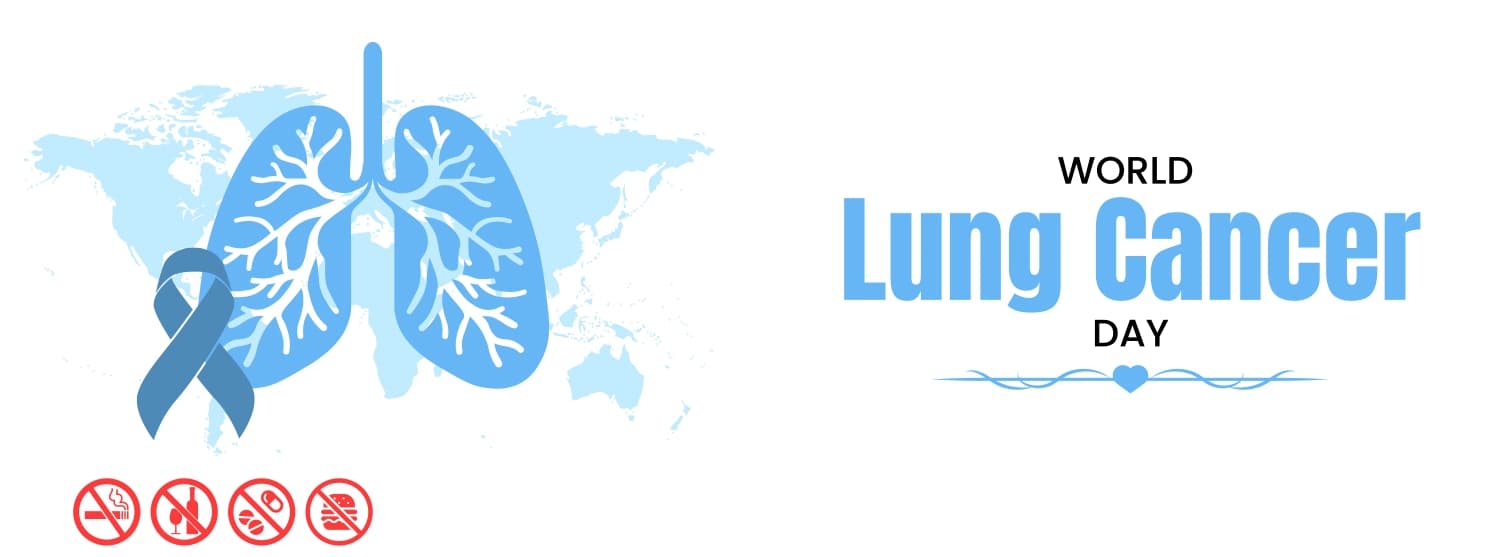
Our lungs work silently every second, taking in oxygen and releasing carbon dioxide. Lung cancer develops when damaged cells in the lungs grow out of control, forming tumours that block air flow and affect nearby healthy tissue.
Many people wonder what causes lung cancer and if it only affects smokers. While smoking is the leading trigger, anyone can be at risk due to modern environmental factors. Understanding lung cancer causes and identifying your personal risk level is the first step toward better health.
Lung Cancer Risk Factors
Details
Tobacco Smoke
Active smoking and exposure to second-hand smoke remain the most significant risk factors.
Environmental Toxins
Long-term exposure to heavy air pollution, asbestos, and occupational chemicals (like arsenic or chromium).
Radon Gas
An invisible, odourless, naturally occurring gas that can build up in homes and buildings.
Genetics & Health History
A family history of lung cancer or previous radiation therapy to the chest.
Note: Assuming you are completely safe just because you have never smoked. Environmental factors like poor air quality and radon gas play a quiet but significant role in lung disease.
Early Signs and Symptoms of Lung Cancer
Lung cancer grows quietly, and the early signs of lung cancer can easily be mistaken for everyday issues like a cold or fatigue. The overarching symptoms of lung cancer are similar for everyone, but paying attention to specific bodily changes is crucial.
General Signs of Lung Cancer
Specific Symptoms to Watch For
Persistent Cough
A new cough that refuses to leave, or a change in a chronic "smoker's cough."
Chest Pain
Sharp or aching pain in the chest when laughing, coughing, or breathing deeply.
Breathing Changes
Unexplained shortness of breath or a hoarse voice that lingers.
Blood in Sputum
Coughing up tiny specks of blood or rust-coloured phlegm.
Systemic Symptoms
Sudden, unexplained weight loss, chronic fatigue, or returning chest infections.
While the general presentation is consistent, there can be slight variations in how the disease manifests. Lung cancer symptoms in women are often linked to adenocarcinoma (a type of non-small cell lung cancer), which grows on the outer edges of the lungs and may initially present as fatigue, mild breathlessness, or even back and shoulder pain. Conversely, Lung cancer symptoms in men are frequently associated with squamous cell carcinomas that grow in the central airways, meaning early symptoms often include a chronic cough or coughing up blood.
Can Lung Cancer Be Prevented?
A common question patients ask is: can lung cancer be prevented? While you cannot eliminate every single risk factor, you can significantly reduce your chances of developing the disease. Lung cancer prevention is about making consistent, daily choices that protect your respiratory system over the long term.
Prevention Strategy
Actionable Steps
Stop Smoking
Quitting is the strongest health decision you can make. Lungs begin to slowly repair themselves over time.
Clear the Air
Avoid second-hand smoke, stay indoors on high-pollution days, and use indoor air purifiers.
Test Your Home
Check your living spaces for radon gas using simple, accessible test kits.
Diet & Exercise
Eat antioxidant-rich foods (spinach, berries, carrots) to reduce inflammation, and take daily 20-minute brisk walks to keep lungs expansive.
How Lung Cancer Develops
Our lungs work silently every second, taking in oxygen and releasing carbon dioxide. They do this effortlessly until damaged cells begin to grow out of control. Over time, these cells can form tumours, blocking the flow of air and affecting nearby tissue.
Without regular lung cancer screening, these growths can stay hidden for months or even years. That’s why medical experts keep emphasising early detection of lung cancer. Because catching it early often means gentler treatment and better recovery.
When found early, doctors can target smaller tumours before they spread. It’s like putting out a spark before it becomes a fire.
Screening, Diagnosis, and Treatment
There is no overstating how important screening is. Regular check-ups can spot tiny changes inside the lungs long before the early symptoms of lung cancer ever appear.
Low-dose CT scans are safe, quick, and accurate tools for high-risk individuals (current or former heavy smokers, or those exposed to high pollution). When cancer is caught early, doctors can target smaller tumours before they spread, resulting in gentler treatments and higher chances of complete recovery.
Treatment plans differ based on the stage and type of cancer, but modern medicine offers highly effective, personalised options. Common methods include surgery, targeted drug therapies, chemotherapy, and radiation. Today's medical teams also focus heavily on holistic recovery, integrating nutritional guidance and physical therapy so patients can regain their strength and confidence.
Why Early Detection Saves Lives
There’s no overstating how important early detection of lung cancer is. When cancer is caught early, treatments are less harsh, and the chances of complete recovery go up. Modern scans can spot tiny changes inside the lungs long before symptoms appear. Low-dose CT scans are one such tool. They’re safe, quick, and accurate.
Doctors recommend lung cancer screening, especially for people who smoke, used to smoke, or are often exposed to pollutants. Detecting something small now can mean avoiding bigger complications later.
This is why lung cancer awareness isn’t just about knowing what it is. It’s about acting before it becomes something you can’t ignore.
Global Care at Manipal Hospitals Global
For patients seeking the highest standards of medical excellence, India has become a trusted destination. At Manipal Hospitals Global, the focus stays on compassionate care combined with cutting-edge diagnostics.
International patients are supported with state-of-the-art facilities such as imaging, precision-guided procedures, and a dedicated team that understands the stress of travelling for medical care. Early detection and treatment here feel like a true partnership, ensuring you are cared for and respected every step of the way.
About Manipal hospitals: As a pioneer in healthcare, Manipal Hospitals is among the top healthcare providers in India serving over 250K+ patients annually. Its focus is to develop an affordable, high quality healthcare framework through its multispecialty and tertiary care delivery spectrum and further extend it to out of hospital care. With the completion of acquisition of AMRI Hospitals, the integrated network will have a pan-India footprint of 49 hospitals across 24 cities with 12,600+ beds, and a talented pool of over 11,000 doctors and an employee strength of over 34,000. Manipal Hospitals provides comprehensive curative and preventive care for a multitude of patients from around the globe. Manipal Hospitals is NABH, AAHRPP accredited and most of the hospitals in its network are NABL, ER, Blood Bank accredited and recognized for Nursing Excellence. Manipal Hospitals has also been recognised the most respected and patient recommended hospital in India through various consumer surveys.