Which type of heart surgery offers the safest recovery and the best long-term outcome, especially when you’re planning treatment abroad? Full disclosure, it’s completely normal to feel unsure and confused. Between medical terminology, recovery timelines, and the added complexity of international care, the decision can quickly feel overwhelming.
Both open heart surgery and minimally invasive heart surgery save lives every day—both of them are life-saving solutions for cardiac patients. However, they are not interchangeable. They differ in how they’re performed, how the body heals, what risks are involved, and how soon you can realistically travel home. In this blog, we’ll break down how each approach works, who typically benefits from it, what recovery truly looks like, and what overseas patients must carefully plan before making a final choice.
When people think of traditional heart surgery, this is usually what they mean. Open heart surgery involves making an incision through the breastbone (sternotomy) to give the surgeon full access to the heart.
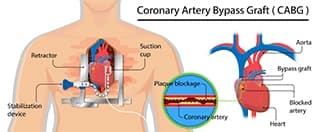
In many procedures, such as coronary artery bypass grafting (CABG) or complex valve replacements, a heart-lung machine temporarily takes over circulation while the surgeon operates. However, some procedures can be performed without stopping the heart, depending on the case.
Open heart surgery is commonly recommended for:
Multi-vessel coronary artery disease
Complex or heavily calcified valve disease
Combined procedures are performed in one operation
Emergency or unstable cardiac conditions
Its major advantage is visibility and complete access. For complicated structural problems, this approach remains the most comprehensive and reliable option.
What is Minimally Invasive Heart Surgery?
In contrast, minimally invasive heart surgery is performed through smaller incisions, often between the ribs, without fully opening the chest. Specialised instruments and high-definition cameras assist surgeons during the procedure. In some cases, robotic technology may also be used.
This approach is commonly considered for:
Selected mitral or aortic valve repairs
Single-vessel bypass procedures
Certain congenital defects, like atrial septal defects
Some rhythm-related procedures
Because the sternum remains intact, patients often experience less early discomfort and faster mobility. However, this technique is not appropriate for every diagnosis. The heart’s anatomy, severity of disease, and overall health determine eligibility.
Key Differences at a Glance
Below is a detailed comparison to help you understand how these approaches differ in meaningful ways:
Factor
Open Heart Surgery
Minimally Invasive Heart Surgery
Incision Size
Full sternum (breastbone) incision
Small side chest incisions
Surgical Access
Direct, wide exposure of the heart
Limited access using instruments and cameras
Suitability
Ideal for complex or multi-vessel disease
Best for selected, less extensive conditions
Operating Time
May be longer in complex cases
Often similar, sometimes slightly longer due to technical precision
Hospital Stay
Typically 5–7 days
Often 3–5 days
Recovery Duration
6–12 weeks for full bone healing
Often 3–5 days
Postoperative Discomfort
More pronounced due to sternum healing
Often 3–5 days
Scarring
Visible midline chest scar
Smaller, less visible scars
This table highlights a crucial point: neither method is “better” in every situation. The right choice depends on the patient’s diagnosis and overall condition.
Potential Risks and Complications
Every heart surgery carries risks. Even with the small incision sizes involved in minimally invasive surgeries, the potential for complications is ever-present. Some risks in such major cardiac procedures include:
Bleeding requiring transfusion
Infection
Irregular heart rhythms (atrial fibrillation is common after surgery)
Stroke
Kidney strain
Blood clots
Wound healing complications
In addition to these, open heart surgery carries additional considerations, such as sternal instability or delayed bone healing. Similarly, minimally invasive procedures may carry risks related to limited access or the need for conversion to open surgery.
Understanding these risks doesn’t mean expecting them—it simply means being informed.
Safety and Outcomes: Are They Comparable?
Many patients assume that smaller incisions automatically mean safer surgery. That’s not entirely accurate. Safety depends on multiple factors:
The surgeon’s experience
The hospital’s cardiac volume
Intensive care support
Patient’s age and co-existing conditions
In experienced centres, both techniques demonstrate excellent success rates. For complex coronary blockages or multiple valve problems, open-heart surgery often provides more predictable outcomes. In carefully selected cases, minimally invasive heart surgery offers similar long-term results with shorter initial recovery.
Long-Term Outcomes
When it comes to long-term results, the size of the incision matters far less than the condition being treated and how well it is addressed. What truly shapes the future is the nature of the heart problem, the technique used, and the patient’s overall health.
For example:
The durability of a bypass operation is influenced by the type of graft used. Arterial grafts generally remain open longer than vein grafts.
In valve procedures, repairs often last longer than replacements because the patient’s natural valve structure is preserved.
Mechanical valve replacements require lifelong blood-thinning medication to reduce the risk of clot formation.
Bioprosthetic (tissue) valves usually do not need permanent anticoagulation, but they may gradually wear out and could require replacement in the future.
In carefully selected patients, minimally invasive surgery can offer long-term outcomes comparable to open heart surgery when performed in experienced centres. For complex diseases, open heart surgery often offers more predictable durability.
Who is Typically a Better Candidate for Each?
While individual evaluation is essential, general patterns exist.
Open heart surgery may be more appropriate for:
Multi-vessel coronary artery disease
Severely calcified or complex valves
Combined procedures in a single operation
Emergency or unstable cardiac conditions
Minimally invasive heart surgery may suit patients who:
Have isolated valve defects
Require limited coronary intervention
Are otherwise medically stable
Prioritise faster early recovery when clinically appropriate
Ultimately, the decision should come after a detailed surgical consultation, not online research alone.
Recovery: What Overseas Patients Should Expect
Most patients spend 1–2 days in the intensive care unit before moving to a regular room. Temporary chest drains, pacing wires, and monitoring lines are common in the early recovery period.
After open heart surgery:
Driving is usually restricted for 4-6 weeks
Lifting heavy objects is avoided for 6-8 weeks
Bone healing takes up to 12 weeks
Return to desk work may occur in 6-8 weeks
After minimally invasive surgery:
Mobility often improves sooner
Lifting restrictions are generally shorter
Return to work may be earlier, depending on recovery
Cardiac rehabilitation begins in the hospital and continues as structured outpatient therapy.
Travel Planning After Cardiac Surgery: How it Differs
Apart from standard post-surgery recovery, overseas patients also need to consider their travel requirements. Between the recovery period and the requirement for the patient to travel for hours at a stretch in low-pressure conditions, clearance for flight travel is essential to declare full recovery.
Long-haul flights are usually delayed:
Open heart surgery: 4-6 weeks post-surgery
Minimally invasive surgery: Possibly earlier than 4-6 weeks, depending on stability and extent of the incisions
Doctors assess:
Oxygen levels
Wound healing
Risk of deep vein thrombosis
Overall stamina
Even after declaring the patient safe to undergo long-haul travel, the doctor will prescribe ensuring compression stockings, in-flight mobility, and hydration are taken care of during the flight.
Practical Considerations for Overseas Patients
Travelling abroad for cardiac surgery involves additional planning beyond the operating theatre. Consider the following carefully:
Pre-Surgical Evaluation
Ensure that your diagnostic reports (angiograms, echocardiograms, and CT scans) are thoroughly reviewed before travel. Some cases initially thought suitable for minimally invasive techniques may require conversion to open surgery once evaluated in detail.
Length of Stay
Do not underestimate recovery time. Even if minimally invasive methods are offered, allow buffer time for unexpected delays or minor complications.
Insurance and Financial Clarity
Clarify what the quoted package includes—ICU stay, medications, rehabilitation, follow-up imaging, and emergency care if required.
Follow-Up After Returning Home
Arrange coordination between the overseas hospital and your local cardiologist. Clear discharge summaries and digital records are essential.
Fitness to Fly
Cardiac patients must be medically cleared before long-haul flights. Risks such as blood clots and fatigue need assessment prior to travel.
Making the Right Choice
Choosing between surgical approaches is not about opting for the latest technology. It’s about selecting the method that offers the safest and most durable result for your specific condition.
If your cardiothoracic surgeon recommends open heart surgery, it is often because it provides the most comprehensive correction. If you qualify for minimally invasive heart surgery, it may reduce early discomfort and shorten your hospital stay. Both are valid, evidence-based treatments when properly indicated.
Conclusion
For patients considering heart surgery, the choice between open heart surgery and minimally invasive techniques should be guided by medical suitability rather than preference alone. A thorough evaluation at the Manipal Hospitals network with an experienced surgical team, realistic recovery planning, and clear post-operative coordination are all essential for a safe outcome. When approached thoughtfully, international cardiac care can offer excellent results with structured support and careful follow-up.