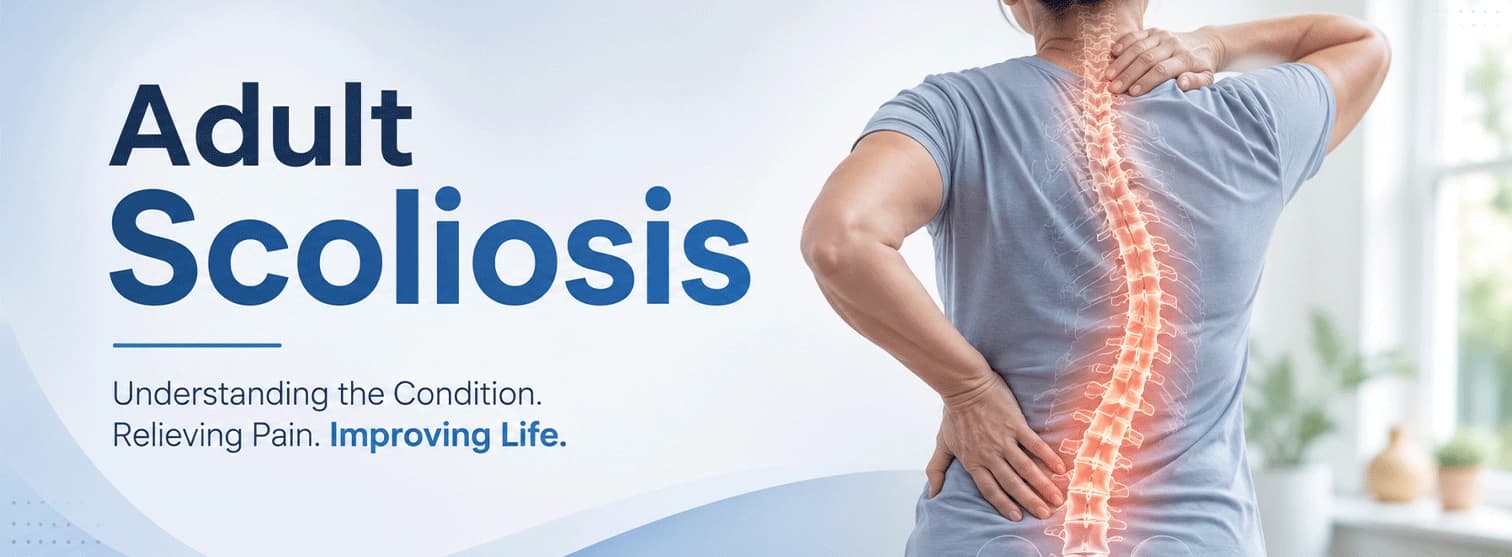
Catching your reflection in a shop window and noticing your shoulder dropping or seeing an unexpected lean to one side can be a jarring experience. You may try to pull your torso upright, only to find your body gravitating right back to that tilted position as if it has a mind of its own. This is often how the journey with a changing spinal curve begins in maturity. It does not always start with a sudden, sharp injury, but through a quiet shift in your foundation that makes walking short distances or standing in a queue feel completely exhausting.
An asymmetrical back is not considered a normal, unavoidable part of ageing; it is a real medical shift in how your skeletal frame is put together. Modern options for scoliosis treatment for adults have improved significantly compared to the rigid, limited approaches used in the past. Today, the specialist's focus is on easing compressed nerves, restoring your posture, and getting your daily energy back. This blog explores the clinical signs of the condition, the primary scoliosis causes in adults, and the latest advancements in modern corrective procedures.
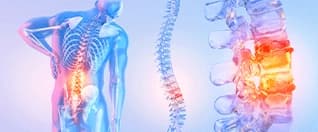
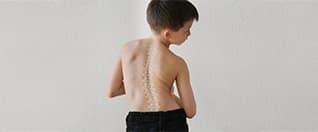
Scoliosis occurs when the spine develops an abnormal sideways bend, curving to the left or right into a distinct "C" or "S" shape. This structural twist disrupts the body's natural alignment and mechanical balance.
Adult Idiopathic Scoliosis: This curve starts during adolescence but often goes unnoticed because it is mild. As the skeleton ages, the bend can steadily deepen and cause pain later in life.
Degenerative Scoliosis: Also called adult-onset scoliosis, this type comes from normal wear-and-tear. It happens when spinal discs dry out, joints weaken, or bones thin from osteoporosis, forcing the spine to tilt.
When the spine leans out of plumb, the surrounding muscles must work constantly against gravity to hold you upright. This persistent overexertion leads to chronic muscle fatigue, stiffness, and low-back soreness.
Early Warning Signs
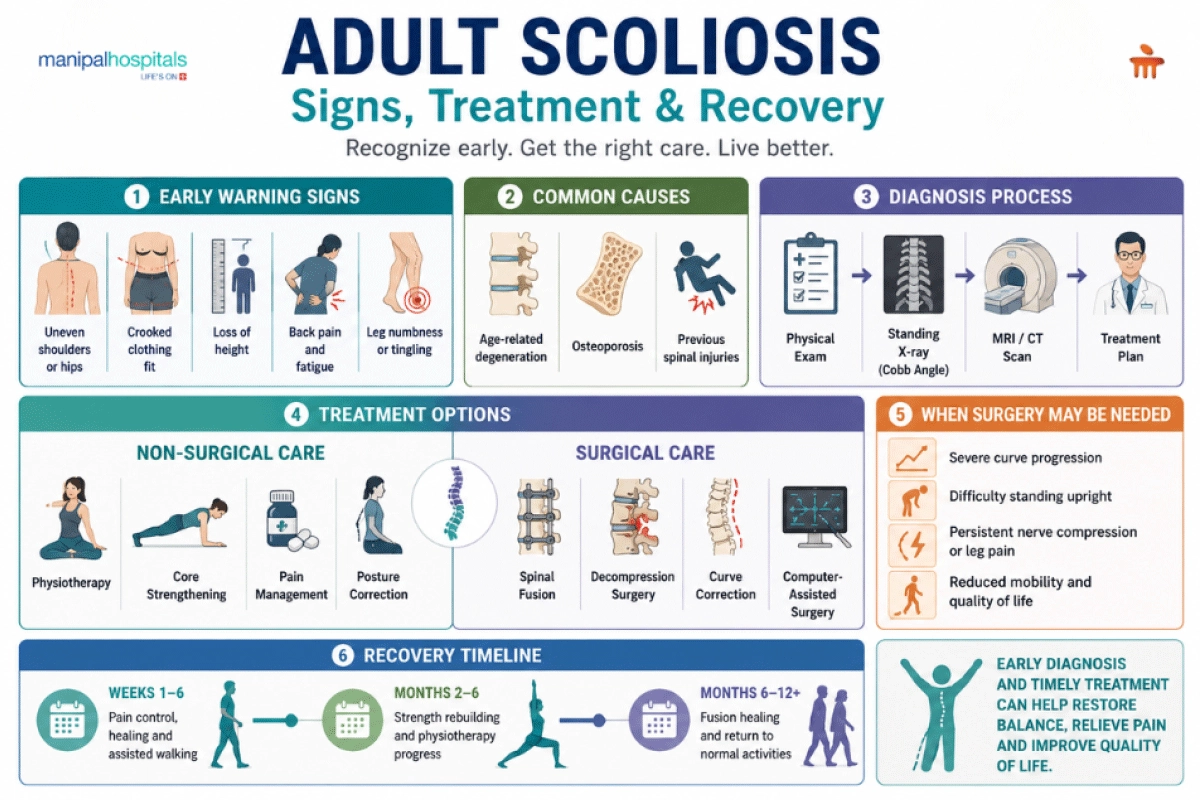
Recognising structural shifts early can be the difference between a gentle physical therapy routine and complex medical intervention. Because the mature body is excellent at compensating for imbalances, the early signs are often subtle:
The "Tilted" Hemline: One of the most reliable signs isn't pain, but how your clothes hang. You might notice your trousers seem longer on one side, your skirt hem sits crookedly, or your beltline is no longer level.
Shoulder and Hip Asymmetry: Take a close look in the mirror. Does one shoulder sit visibly higher? Does one hip seem to pop out further to the side? These are classic indicators that a curving spine is pulling the skeletal frame out of alignment.
Postural Relief (The Shopping Trolley Sign): Instinctively leaning forward on a support, such as a shopping trolley or a walking stick, is a significant clinical indicator. This forward bend opens up the spinal canal, temporarily easing the pressure on nerves pinched by the curve.
Loss of True Height: While everyone shrinks slightly with age, losing several inches in a short span usually means the sideways curves in your spine are deepening or your discs are flattening unevenly.
Why Does the Adult Spine Change Shape?
A misaligned back can have several origins, and mapping out the primary scoliosis causes in adults is the first step toward finding relief.
Natural Degeneration: The passing years cause the shock-absorbing discs between vertebrae to dry out and lose height. If this breakdown happens faster on one side of the joint than the other, the bone tilts, launching a structural curve.
Osteoporosis: When bones lose density and become brittle, the vertebrae can suffer minor compression fractures. If the front or side of a bone collapses into a wedge shape, it forces the entire column to round forward or lean sideways.
Past Traumas: An old back injury or spinal trauma from younger years can create long-term localised instability, eventually causing the vertebrae to shift out of alignment decades later.
Diagnosis of Adult Scoliosis
If you suspect your posture is changing, the diagnostic process is straightforward but thorough. Specialists use physical checks and imaging to map the exact angle of the curve.
Method
What the Doctor Does
What it Reveals
Physical Assessment
Evaluates your posture, tests your reflexes, and checks muscle strength in your legs.
Your overall structural balance and whether spinal shifts are pinching nearby nerves.
Standing X-rays
Take full-length images of your spine while you stand upright against gravity.
The exact severity of the sideways bend is measured in degrees as a "Cobb Angle."
Uses advanced magnetic or detailed X-ray imaging to view soft tissues and bones.
Precisely where an ageing disc or a shifted bone is compressing spinal nerve roots.
Modern Options for Advanced Care
The philosophy of scoliosis treatment for adults has shifted significantly. Specialists no longer tell patients to simply live with the pain; instead, they focus on restoring mobility and halting curve progression.
Conservative Care: The First Line of Defence
For the vast majority of mature patients, the condition can be managed safely without ever entering an operating theatre.
Targeted Strengthening: Doing specific exercises to strengthen the deep abdominal and core muscles acts like an internal support brace, taking the structural pressure off your spine.
Pain Modulation: Using over-the-counter anti-inflammatories (NSAIDs) helps manage the daily ache, while targeted steroid and local anaesthetic injections can calm irritated nerves for several weeks or months.
Activity Modification: Learning how to sit, stand, and lift through posture therapy keeps you moving safely without worsening the spinal strain.
Advanced Surgical Intervention
When a spinal curve becomes severe, causes unmanageable leg pain from squashed nerves, or makes standing upright impossible, adult scoliosis surgery becomes a vital option. Modern scoliosis surgery for adults has become incredibly precise, relying on computer-assisted mapping and live nerve monitoring to keep procedures safe.
The primary method used during scoliosis correction surgery is spinal fusion for scoliosis. During this operation, the surgeon uses bone grafts, rods, and screws to realign the vertebrae and hold them in a secure, upright position. Over time, these bones heal together into a single, solid block, which stabilises the spine and prevents the curve from ever worsening. Depending on the nerve pressure, this may be combined with a decompression procedure to clear away tissue pinching the nerves.
When to Seek Medical Help
Catching changes in your spine early is the best way to keep your independence and stop a mild curve from settling into a much more severe problem.
Changes in your posture: Arrange a routine screening if your body feels noticeably tilted, your shoulders or hips look uneven in the mirror, or your clothes begin to hang crookedly.
Loss of height or physical fatigue: Seek a medical check-up if you are losing height quickly or if persistent back soreness makes simple daily tasks like grocery shopping or standing at the sink exhausting.
Nerve pain or numbness: Consult a specialist promptly if you experience sudden, shooting pain down your legs or a pins-and-needles sensation in your feet that makes walking difficult.
Recovery: What to Expect
Undergoing adult scoliosis surgery is a major medical event, and understanding your timeline is essential for a successful outcome.
The Non-Surgical Path: Patients who stick to a dedicated physical therapy and injection routine often notice a steady improvement in their pain and walking tolerance within a few weeks.
The Surgical Path: After an advanced spinal fusion for scoliosis, patients are typically helped out of bed to begin assisted walking within a day or two. However, because the bones must fully fuse, the total scoliosis recovery time can take anywhere from 6 to 12 months or longer to achieve full stability and maximum comfort.
Conclusion
Living with a shifting, painful spine can make moving through your day feel like an uphill battle, but you do not have to accept it as an inevitable part of getting older. From noticing a tilted waistline to exploring advanced options for scoliosis surgery for adults, there are highly effective, modern paths to relief.
If a person notices shifts in posture or experiences persistent leg numbness, booking a professional screening promptly is essential. Starting conservative treatments early helps slow down the curve from getting worse, keeps the body moving, and makes daily life much more comfortable. For a comprehensive spine care assessment and expert guidance on managing spinal curves, consult the spine care specialists at Manipal Hospitals Global.