
PMOS: Understanding the New Name for PCOS, Its Symptoms and Treatment
Reviewed by: Obstetrics and Gynaecology Department
Posted on Oct 19, 2026
8 Min Read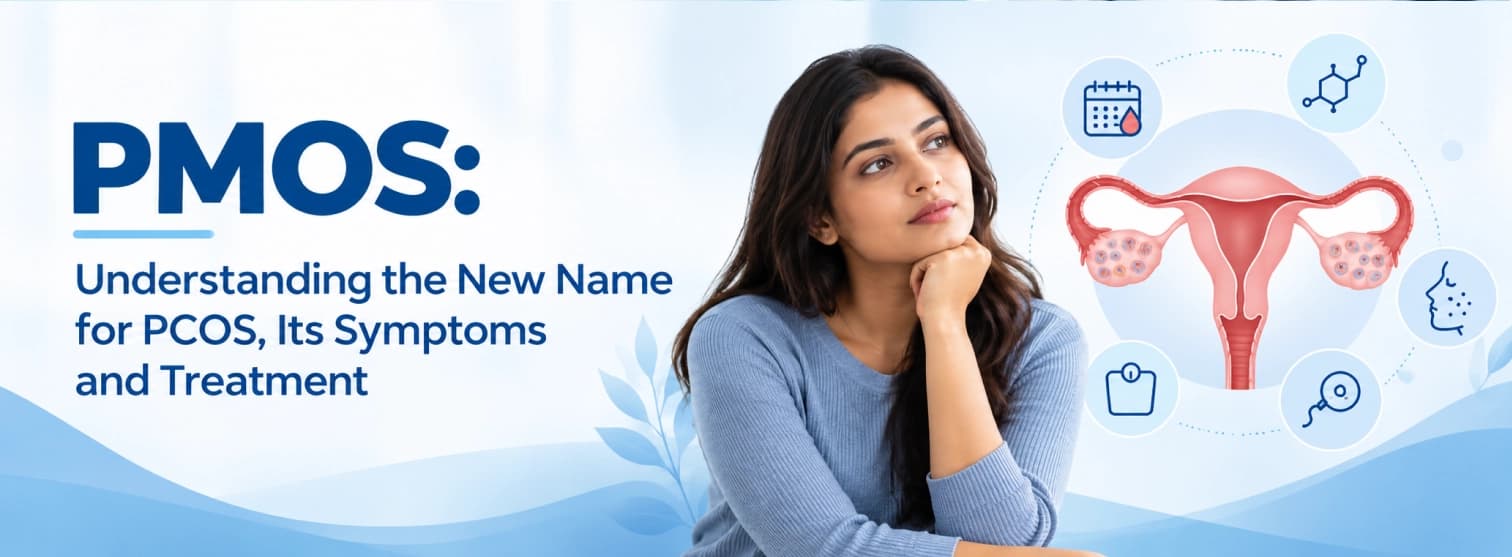
Synopsis
What Is PMOS and Why Was PCOS Renamed?
What is PMOS? PMOS stands for Polyendocrine Metabolic Ovarian Syndrome. It is not a new disease. The condition itself has not suddenly changed; the terminology has.
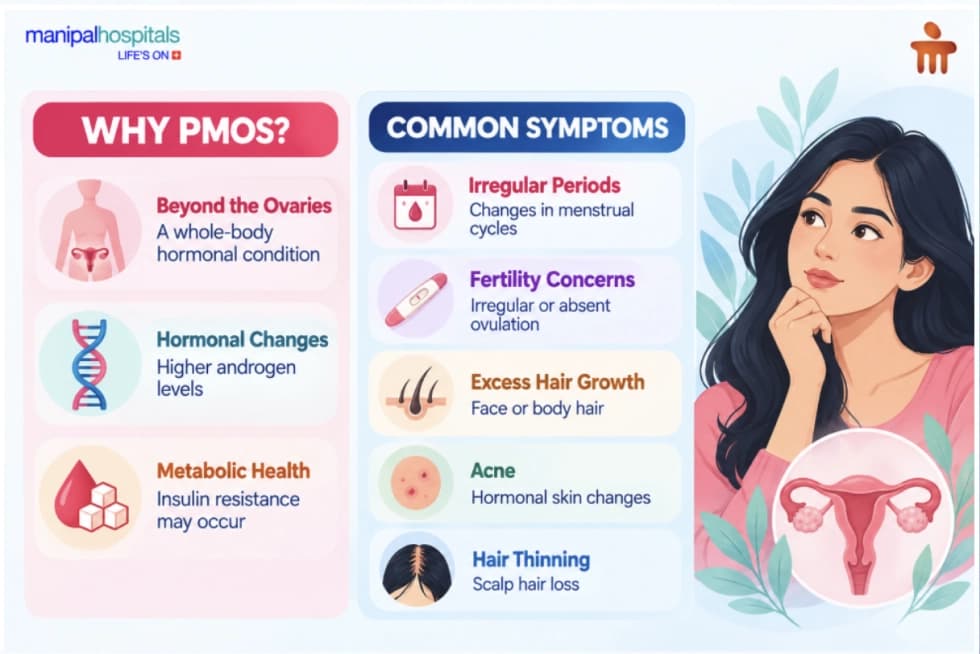
The older name focused heavily on the ovaries and the word “cysts.” That could suggest that ovarian cysts are the main feature of the condition. In reality, the condition involves a wider range of hormonal and metabolic problems. It can affect the menstrual cycle, ovulation, androgen levels and other parts of the body.
The name change is meant to bring those broader features into focus:
- Polyendocrine reflects the involvement of hormonal or endocrine systems.
- Metabolic highlights the condition's metabolic aspects.
- Ovarian recognises its effects on the ovaries.
Cysts do not define the condition. The older name could lead people to associate it too closely with ovarian cysts, which contributed to misunderstandings, missed diagnoses and inadequate treatment. The new terminology aims to describe the condition more accurately and reflect its symptoms and health effects.
Symptoms of PMOS
PMOS can cause a range of symptoms, and they do not necessarily appear together. For some people, changes in their menstrual cycle are the most noticeable sign. Others may notice changes related to androgen levels, such as increased hair growth or acne.
Menstrual and ovulation changes can include:
- Irregular periods, with periods occurring less often than expected
- Periods that stop for several months
- Irregular ovulation or no ovulation
- Difficulty becoming pregnant because ovulation is not occurring regularly
Higher androgen levels can cause changes in hair and skin. These may include:
- Excess facial or body hair, particularly on areas such as the face, chest or abdomen
- Acne, which may be persistent or more severe than usual
- Thinning scalp hair or hair loss in a pattern associated with higher androgen levels
The pattern of symptoms can vary considerably. One person may have menstrual irregularity without noticeable changes in hair or skin. Another may have several androgen-related symptoms. Some people may also have fertility problems related to irregular ovulation.
The symptoms may develop gradually rather than appearing all at once. Their severity can also change over time. This means there is no single symptom pattern that applies to everyone with PMOS.
How Is PMOS Diagnosed?
PMOS is diagnosed through a clinical assessment rather than a single test. In adults, doctors generally assess three key features: irregular or absent ovulation, clinical or biochemical signs of higher androgen levels, and polycystic ovarian morphology on ultrasound or, in appropriate cases, assessment using anti-Müllerian hormone (AMH). Diagnosis generally requires two of these three features after other possible causes have been excluded. In some cases, when irregular menstrual cycles and signs of higher androgen levels are both present, ultrasound or AMH testing may not be necessary.
Your doctor will review your menstrual history, symptoms, medical background and medicines before deciding which tests are appropriate.
The clinician might ask about when your periods became irregular, how often they come, whether your weight has changed and whether you have other medical conditions or take any medicines. Then a physical exam might look for signs like excess hair growth, acne or insulin resistance.
It also involves ruling out other conditions that could cause the same symptoms. Blood tests can measure hormone levels and rule out other causes. They may also include blood glucose, cholesterol and triglyceride tests. A pelvic exam can look for masses, growths or other changes in the reproductive organs.
An ultrasound may be used to examine the ovaries and the thickness of the uterine lining. It can show whether the ovaries contain many small fluid-filled follicles. However, this appearance alone does not establish PMOS. Large ovarian cysts are not a defining feature of the condition, and the diagnosis is based on the overall clinical picture rather than an ultrasound finding by itself.
Diagnostic component | What it assesses |
Health and menstrual history | Period pattern, symptoms, weight changes, medicines and other health conditions |
Physical examination | Signs of excess androgen activity, insulin resistance and acne |
Blood tests | Hormone levels and possible alternative causes; glucose, cholesterol and triglycerides may also be checked |
Pelvic examination | The uterus, ovaries and other reproductive organs for masses, growths or other changes. May be performed when clinically indicated |
Ultrasound | Ovarian appearance and the thickness of the uterine lining |
PMOS Treatment
Treatment depends on the symptoms you have and whether you want to become pregnant. The approach can be different for each person.
- To regulate periods: Birth control pills can help make periods more regular. They can also help with acne and some effects of higher androgen levels. Progestin may be prescribed at intervals to bring on periods and protect the uterine lining.
- For fertility: For people with PMOS who are trying to conceive and have ovulation-related infertility, letrozole is generally the first-line medication for inducing ovulation when appropriate. Other treatment options like clomiphene, gonadotropins, metformin or IVF may be considered based on individual circumstances and medical assessment.
- For unwanted hair and acne: Birth control pills and spironolactone may help manage excess hair growth in appropriate patients. Spironolactone requires medical supervision and effective contraception when pregnancy is possible. Eflornithine cream may help slow unwanted facial hair growth. Acne may be treated with medicines applied to the skin or taken by mouth. Laser hair removal and electrolysis can also reduce unwanted hair.
- For metabolic health and blood sugar: Regular physical activity and balanced dietary habits can support blood sugar regulation and metabolic health. For people who are overweight or have obesity, weight management may also help improve some symptoms. Lifestyle recommendations should be individualised and are relevant regardless of body size.
Health Complications of PMOS
PMOS can affect more than just periods, ovulation and fertility. It is also associated with several other health conditions.
- Type 2 diabetes: Developing insulin resistance raises your risk of developing type 2 diabetes.
- Metabolic syndrome: This is when a person has high blood sugar, high blood pressure and abnormal cholesterol levels all at the same time.
- High blood pressure: People with PMOS may have a higher risk of developing high blood pressure.
- Abnormal cholesterol levels: Changes in cholesterol and other fats in the blood can increase the risk of heart and blood vessel problems.
- Sleep apnoea: PMOS is linked to a higher risk of obstructive sleep apnoea.
- Endometrial problems: Prolonged absence of ovulation can cause the uterine lining to build up and may increase the risk of endometrial hyperplasia and endometrial cancer. The level of risk varies between individuals.
- Fertility problems: Irregular ovulation can make it harder to get pregnant.
Conclusion
PMOS is a broader way of describing a condition that can affect periods, ovulation, hormones, metabolism and fertility. The name change from PCOS reflects this wider understanding and moves the focus away from ovarian appearance alone. If you have persistent menstrual changes or other symptoms linked to PMOS, our team of gynaecologists at Manipal Hospitals Global can help assess your symptoms and discuss the right treatment approach. Patients can contact Manipal Hospitals Global to enquire about scheduling a consultation with the Gynaecology Department.
Share this Article


Not sure what you’re looking for?
Not sure what you’re looking for?
Get in touch with our representatives for
help!
Get in touch with our
representatives for help!



