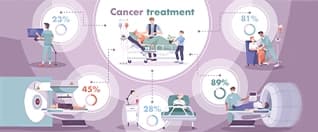
For some patients, surgery gives the best shot at removing cancer completely. Depending on the case, surgeons may use traditional methods or advanced techniques like minimally invasive and robotic-assisted procedures. These newer methods can shorten hospital stays and reduce discomfort after surgery.
Chemotherapy uses strong medicines to kill cancer cells. It’s often given after surgery to stop the cancer from coming back. Targeted therapy works in a gentler way. It blocks the signals that help cancer cells grow, so it harms less of the healthy tissue nearby.
Supportive or palliative care focuses on comfort. It helps with pain control, nausea, or fatigue that might come during pancreatic cancer treatment. The goal here is to help patients live better, not just longer.
Note: The earlier the diagnosis, the better the outcome. Imaging tools such as CT, MRI, and PET-CT, along with tumour marker tests, make it possible to detect pancreatic cancer at stages where it’s still manageable.
Hearing the words “you have cancer” can shake anyone. It brings uncertainty, worry, and questions about the future. But living with pancreatic cancer also shows how strong people can be.
Every patient’s journey is different. Some find strength in routine, some in faith, others in community. Alongside medical care, things like nutrition counselling, therapy, and support groups make an enormous difference. They remind patients they aren’t alone in this.
Small victories matter: a good night’s sleep, a hearty meal, a smile shared with a loved one. Healing is not always about a cure, but about comfort and hope along the way.
The purpose of pancreatic cancer awareness isn’t only to talk about symptoms. It’s about shining a light on a disease that often hides until late stages.
The purple ribbon has become a powerful symbol for patients and their families across the world. Each year, during pancreatic awareness month, hospitals and organisations come together to spread knowledge, encourage research, and share stories of courage.
This global effort has helped thousands recognise symptoms earlier, giving them a chance to seek timely help. For many international patients, it’s often this awareness that leads them to explore treatment in other countries.
Travelling to another country for medical help isn’t easy. It means leaving the familiar behind and trusting someone new with your health. But over time, India has earned the trust of patients from all over the world who seek quality pancreatic cancer treatment.
At Manipal Hospitals Kolkata, Bangalore, Delhi and Goa, international patients find not just high-end medical technology, but also warmth in care. Every stage is guided with clarity and patience. Specialists use advanced imaging, precise surgical systems, and evidence-based treatments that meet international standards.
Language or culture never becomes a barrier. Dedicated teams help with travel, interpretation, and emotional support, so the focus stays on healing. For many who arrive with uncertainty, the journey home often begins with renewed hope.
Pancreatic cancer is often seen as one of the toughest forms of cancer, yet every year, people survive and even thrive after treatment. Progress in medicine, combined with awareness, has made outcomes better than ever before.
What really shapes the journey isn’t only the treatment, but how you face it. Staying close to loved ones, asking questions, and learning about what’s happening can bring a sense of balance. Healing doesn’t happen overnight, but it always stays within reach.
Pancreatic cancer awareness campaigns aren’t about fear. They’re about reminding us that attention saves lives. It’s about telling someone to see a doctor sooner, encouraging check-ups, or simply sharing a story.
Each November, during pancreatic awareness month, communities across the world unite to do exactly that. But awareness shouldn’t end when the month does. It’s something that needs to live in daily choices like eating better, quitting smoking, and getting regular screenings.
If you ever notice signs like unexplained pain, weight loss, or fatigue, don’t wait for things to worsen. Talk to a doctor, book that scan, and take control. Sometimes the smallest step becomes the one that saves a life.
Healing begins with awareness and grows through trust. For international patients looking for pancreatic cancer treatment, Manipal Hospitals in Kolkata, Bangalore, Delhi and Goa stand as a place where advanced care meets genuine understanding. The hospitals combine medical excellence with empathy, guiding every patient through diagnosis, treatment, and recovery.
During pancreatic cancer awareness month and beyond, may more people learn, share, and take charge of their health. Awareness might start as information, but it ends as hope, the kind that saves lives, one story at a time.