
Kidney Transplant Recovery and Post Transplant Care for International Patients
Reviewed by: Organ Transplant Department
Posted on Mar 13, 2026
10 Min Read

Synopsis
- The First Phase of Kidney Transplant Recovery
- Daily Routine After Early Recovery
- The Role of Kidney Transplant Medicines
- Signs Your Body May Be Rejecting the Kidney
- Long-Term Health Monitoring After a Kidney Transplant
- Important Health Checks After Transplant
- Adapting to Life After Kidney Transplant
- Preparing to Return Home After an Overseas Transplant
- Conclusion
The First Phase of Kidney Transplant Recovery
The early days following transplant surgery are carefully structured and closely supervised. While the procedure itself is a major milestone, the body needs time to stabilise and adapt to the new kidney.
In most cases, the new kidney will start working almost immediately, with the production of urine and the filtering out of wastes in the blood. Although the process is slow, several aspects of your health are monitored by the doctors.
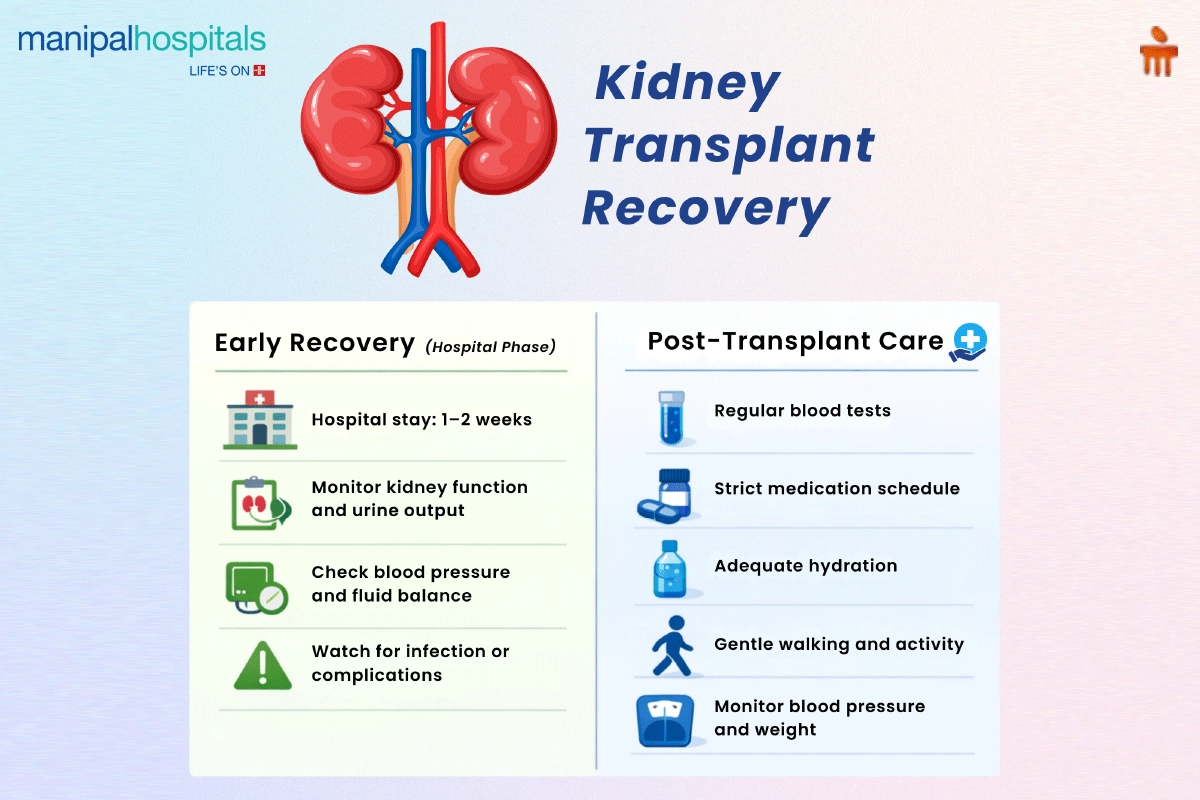
During the initial stay in the hospital, which usually ranges from one to two weeks, several aspects of your health are closely monitored, including:
- Blood pressure
- Fluid balance
- Urine output
- Kidney function
- Evidence of infection or other complications
- How the body is responding to the immunosuppressive drugs
In the case of patients traveling internationally, the doctors will also ensure that your recovery is stable enough before returning to your country. Detailed instructions are usually provided to help your healthcare provider in your home country monitor your progress.
Daily Routine After Early Recovery
As a recipient, your post-hospital routine involves healing while continuing with your daily routines. This process might seem strenuous at times, but it is essential to get used to it. You need to get some level of activity while at the same time allowing the site of the surgery to heal. You might feel weak at times, but such discomfort is a normal occurrence in the first few weeks.
Important parts of early kidney transplant recovery include:
- Regular follow-up visits: Frequent blood tests help doctors confirm that the kidney is functioning well.
- Medication adherence: Immunosuppressive drugs must be taken exactly as prescribed.
- Balanced hydration: Drinking enough fluids supports kidney filtration.
- Gentle physical activity: Short walks improve circulation and reduce fatigue.
- Monitoring vital signs: Blood pressure and weight changes can provide early clues about kidney health.
For international patients, transplant teams often provide detailed discharge summaries and communication plans so doctors back home can continue your kidney transplant aftercare smoothly.
The Role of Kidney Transplant Medicines
A transplanted organ is recognised by the immune system as foreign tissue. Without medication, the body may try to attack the new kidney. This is why kidney transplant medicines are essential for long-term success.
These medications are carefully adjusted over time to balance two priorities: protecting the kidney while avoiding unnecessary side effects. The doses are typically higher during the early recovery phase and gradually stabilise in the months that follow.
Common types of medications include:
- Immunosuppressants reduce immune system activity to prevent rejection
- Steroids help control inflammation and immune reactions
- Antibiotics or antiviral medicines protect against infections during the early months
- Blood pressure medications maintain healthy circulation through the kidneys
Taking medicines consistently at the same time each day is one of the most important responsibilities after a transplant. Even small delays or missed doses can affect the body’s immune response to the new organ.
Signs Your Body May Be Rejecting the Kidney
Although modern transplant medicine has made rejection far less common than it once was, it remains something doctors watch for carefully. Observing the symptoms of kidney transplant rejection will help you take prompt action if you sense any change. It is also possible for rejection symptoms to be subtle, and the first sign may be detected in blood tests.
Some possible kidney transplant rejection symptoms include:
- Rapid increase in blood pressure
- Decreased urine production
- Swelling of legs and face
- Increased fatigue or weakness
- Presence of fever with no cause
- Pain or tenderness around the transplant site
Prompt medical attention will help your doctors take prompt action to reverse the rejection, and many cases of rejection may be reversed with proper medical attention.
Long-Term Health Monitoring After a Kidney Transplant
Although the frequency of follow-up visits decreases with time, long-term monitoring of the patient is vital for the survival of the kidney.
This is because the kidney has the potential to serve the body for many years if properly cared for.
Doctors will focus their attention on the maintenance of the kidney’s health and the prevention of possible complications that could arise from the drugs the patient will be taking for the rest of their life.
Important Health Checks After Transplant
Health Parameter | Why It Matters | Recommended Monitoring Frequency |
Kidney function tests (creatinine, GFR) | Early detection of kidney performance problems | 1 to 3 months initially, and thereafter as recommended |
Blood pressure tracking | High blood pressure could impair the functioning of the kidneys | Weekly checks, either at home or during follow-up visits to the clinic |
Blood sugar tests | Immunosuppressive drugs could lead to the development of diabetes | Periodic tests for blood sugar levels |
Cholesterol tests | Cardiovascular health becomes critical for the patient after the transplant | Annual tests for cholesterol levels |
Infection tests | Infection risk increases in immunosuppressed individuals | Routine follow-up tests for infection |
Bone density tests | Long-term use of steroids could weaken the bones of the patient | Evaluation of bone density if risk factors are present |
These assessments help ensure that your new kidney is functioning well and that your health is not compromised.
Adapting to Life After Kidney Transplant
One of the most rewarding parts of recovery is rediscovering everyday life with renewed energy. Many people notice improvements in appetite, sleep, and physical stamina within a few months.
Still, adjusting to life after a kidney transplant requires patience and thoughtful lifestyle choices.
Good habits that promote the new kidney:
- Balanced diet: Eating food rich in vegetables, proteins, and grains helps maintain good health.
- Regular exercise: Activities like walking, swimming, or cycling support cardiovascular health.
- Infection Awareness: Due to slightly compromised immunity, it is important to be aware of handwashing and vaccination recommendations.
- Avoiding tobacco and excessive alcohol: Both can damage blood vessels and affect kidney function.
- Stress management: Recovery is as important as the physical healing process.
Many transplant recipients eventually return to work, travel, and enjoy activities they had paused during kidney disease. With proper care, the transplanted kidney can support a long and active life.
Preparing to Return Home After an Overseas Transplant
Travelling abroad for transplant surgery requires extra coordination during recovery. Before returning home, transplant teams usually ensure that your health is stable and that your care plan is clearly documented.
Your discharge planning often includes:
- A detailed medication schedule
- Copies of laboratory results and surgical records
- Follow-up testing timelines
- Contact details for the transplant team if concerns arise
Having this information allows your local doctor to continue post-transplant care seamlessly once you are back in your home country.
Conclusion
Receiving a transplant is a life-changing milestone, but the journey does not end once the surgery is over. Successful kidney transplant recovery depends on attentive follow-up care, disciplined medication routines, and healthy lifestyle choices that protect the new organ over time. Understanding the recovery process, recognising potential warning signs, and staying connected with your medical team allows you to move forward with confidence. With the right guidance and ongoing support, many transplant recipients return to active, fulfilling lives.
For patients travelling internationally for advanced kidney care, Kidney transplant treatment and comprehensive recovery support, centres such as Manipal Hospitals Global provide structured programmes designed to guide you safely through every stage of healing and long-term care.
Share this Article


Not sure what you’re looking for?
Not sure what you’re looking for?
Get in touch with our representatives for
help!
Get in touch with our
representatives for help!



