
Top 10 Lifestyle Changes to Prevent Heart Disease in High-Risk Adults
Reviewed by: Department of Cardiology
Posted on Mar 11, 2026
7 Min Read

Synopsis
Understanding Heart Disease Risk
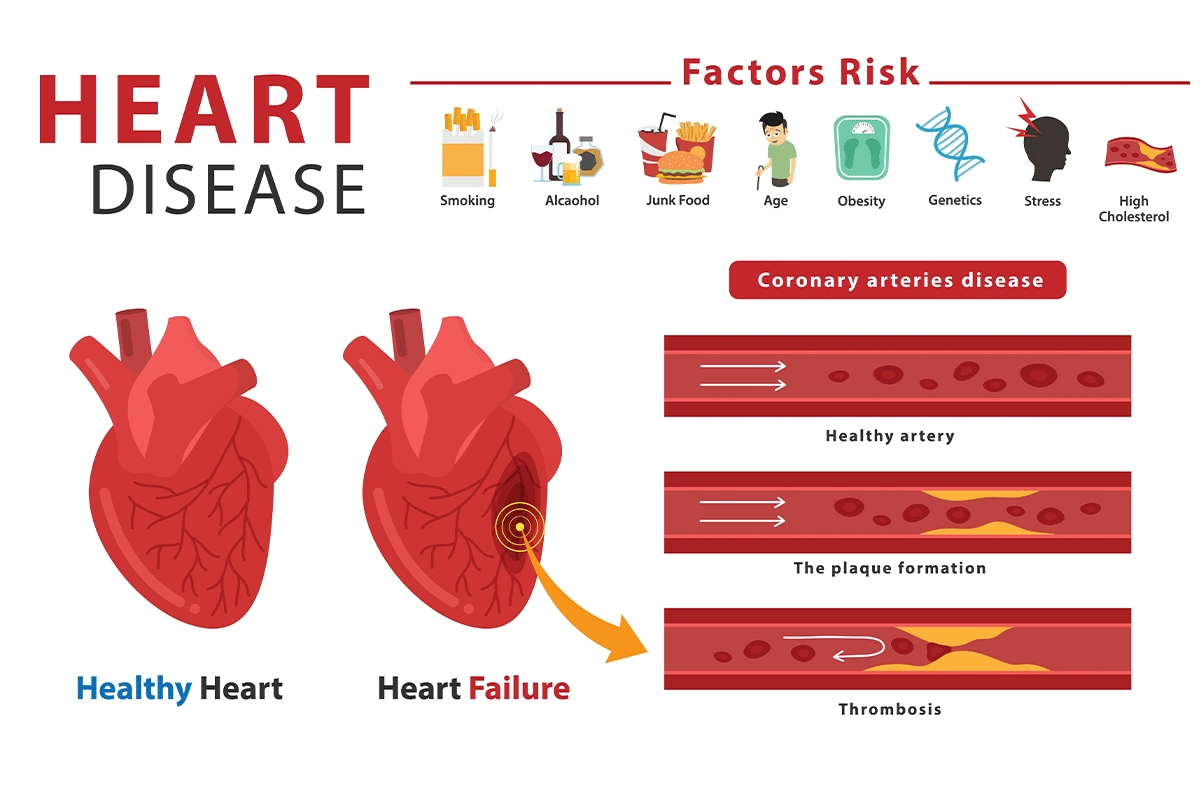
Before exploring preventive strategies, it is important to understand the factors that increase cardiovascular risk. These are known as cardiac risk factors and include:
- High blood pressure (hypertension)
- High cholesterol levels
- Diabetes
- Smoking or tobacco use
- Obesity or being overweight
- Sedentary lifestyle
- Unhealthy diet
- Chronic stress
- Excessive alcohol consumption
- Family history of heart disease
Individuals with multiple risk factors are more likely to develop heart complications earlier in life. Fortunately, many of these risks can be reduced through lifestyle modifications and proper blood pressure management and cholesterol control.
Top Lifestyle Changes for Heart Disease Prevention
1. Follow a Heart-Healthy Diet
One of the most powerful ways to support heart disease prevention is through proper nutrition. A balanced diet can help reduce cholesterol levels, regulate blood pressure, and maintain a healthy body weight.
Key dietary recommendations include:
- Eat plenty of fruits and vegetables
- Choose whole grains instead of refined carbohydrates
- Include lean protein sources such as fish, beans, and poultry
- Reduce saturated and trans fats
- Limit salt intake
- Avoid processed and fried foods
Foods rich in omega-3 fatty acids, such as salmon, walnuts, and flaxseeds, are particularly beneficial for heart health. These nutrients help reduce inflammation and improve cholesterol balance.
2. Maintain Healthy Cholesterol Levels
High cholesterol is one of the major contributors to heart disease. Excess low-density lipoprotein (LDL) cholesterol can accumulate in arteries and lead to plaque formation, increasing the risk of heart attack and stroke.
- Effective cholesterol control strategies include:
- Eating fibre-rich foods such as oats and legumes
- Reducing saturated fats found in red meat and processed foods
- Avoiding trans fats
- Including healthy fats such as olive oil and nuts
- Exercising regularly
Regular health check-ups are important to monitor cholesterol levels and assess cardiovascular risk.
3. Keep Blood Pressure Under Control
Hypertension, or high blood pressure, forces the heart to work harder and can damage arteries over time. Proper blood pressure management significantly reduces the risk of heart disease and stroke.
- Lifestyle habits that help regulate blood pressure include:
- Reducing salt consumption
- Exercising regularly
- Maintaining a healthy weight
- Managing stress effectively
- Limiting alcohol intake
Regular monitoring of blood pressure is essential, especially for individuals with a family history of hypertension.
4. Exercise Regularly
Physical activity strengthens the heart muscle, improves circulation, and helps maintain healthy cholesterol levels.
Health experts recommend:
- At least 150 minutes of moderate exercise per week
- Activities such as brisk walking, cycling, swimming, or jogging
- Strength training exercises twice a week
Even simple activities like taking the stairs, gardening, or walking after meals can contribute to a heart healthy lifestyle.
5. Maintain a Healthy Weight
Obesity increases the likelihood of developing several cardiac risk factors, including diabetes, high blood pressure, and high cholesterol.
- Maintaining a healthy body weight can:
- Improve heart function
- Reduce strain on blood vessels
- Lower blood pressure
- Improve insulin sensitivity
A combination of balanced nutrition and regular physical activity is the most effective way to achieve and maintain a healthy weight.
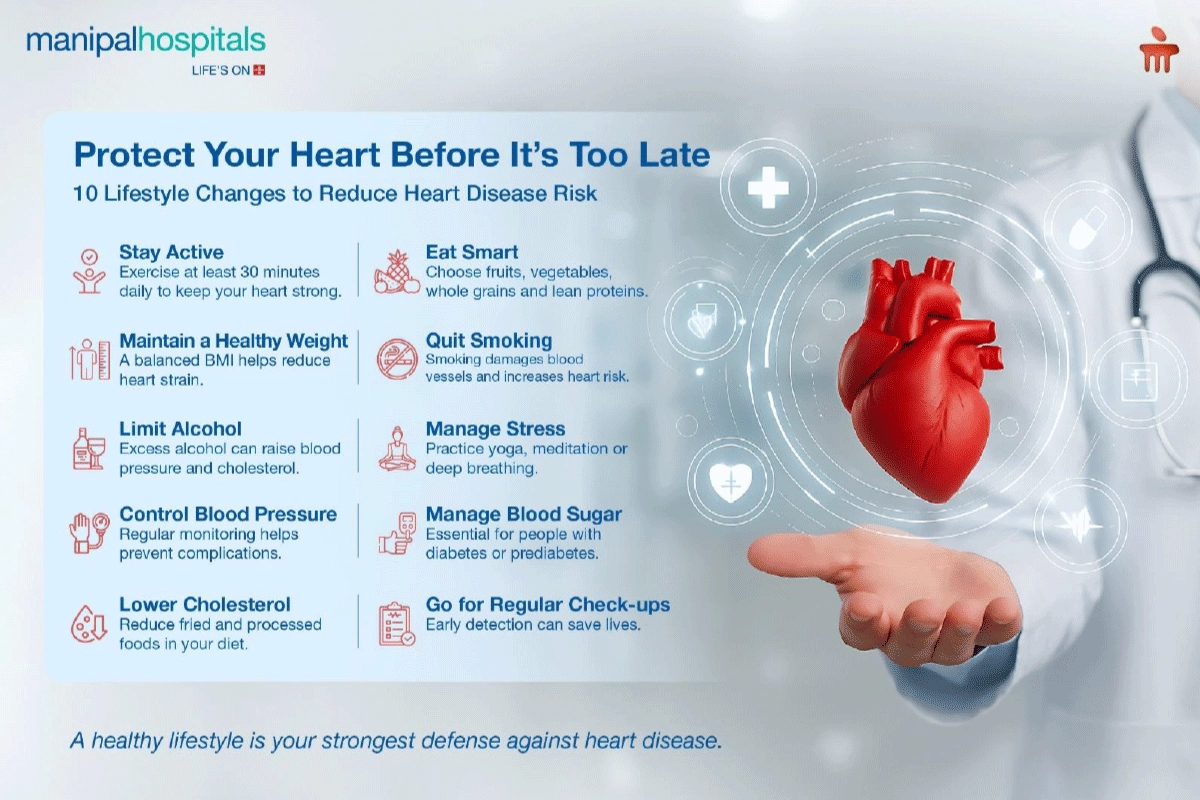
6. Quit Smoking
Smoking damages blood vessels, reduces oxygen supply, and significantly increases the risk of heart disease.
Benefits of quitting smoking include:
- Improved circulation
- Lower blood pressure
- Reduced risk of heart attack and stroke
- Improved lung function
Even individuals who have smoked for many years can experience rapid cardiovascular improvements after quitting.
7. Manage Stress Effectively
Chronic stress can negatively affect heart health by increasing blood pressure and encouraging unhealthy coping behaviours such as overeating or smoking.
Healthy stress management techniques include:
- Meditation and mindfulness
- Yoga or breathing exercises
- Spending time in nature
- Engaging in hobbies
- Maintaining social connections
Stress reduction is a crucial part of any strategy to prevent heart attack naturally.
8. Get Adequate Sleep
Sleep plays a vital role in cardiovascular health. Poor sleep patterns have been linked to hypertension, obesity, and metabolic disorders.
Adults should aim for 7–8 hours of quality sleep each night.
Tips for improving sleep quality include:
- Maintaining a consistent sleep schedule
- Limiting screen time before bedtime
- Creating a comfortable sleep environment
- Avoiding heavy meals or caffeine late in the evening
Adequate rest supports the body's ability to regulate blood pressure and maintain overall heart health.
9. Limit Alcohol Consumption
Excessive alcohol intake can increase blood pressure, contribute to weight gain, and raise triglyceride levels.
Moderation is key:
- Women should limit alcohol to one drink per day
- Men should limit intake to two drinks per day
Reducing alcohol consumption supports cholesterol control and helps maintain a healthier cardiovascular system.
10. Schedule Regular Health Check-Ups
Preventive healthcare plays a crucial role in heart disease prevention. Routine screenings help detect risk factors early and allow timely intervention.
Screening Test | Purpose |
Blood Pressure Test | Detects hypertension |
Lipid Profile | Measures cholesterol levels |
Blood Sugar Test | Identifies diabetes risk |
ECG or Cardiac Evaluation | Assesses heart function |
Important tests include:
Regular consultations with healthcare professionals help individuals manage cardiac risk factors effectively and reduce the chances of severe complications.
Signs That Your Heart Health Needs Attention
High-risk adults should remain vigilant about symptoms that may indicate cardiovascular problems, including:
- Chest pain or discomfort
- Shortness of breath
- Unusual fatigue
- Irregular heartbeat
- Swelling in legs or feet
If any of these symptoms occur, immediate medical consultation is essential.
Why Prevention Matters
Heart disease often develops gradually over many years. Many individuals may not experience noticeable symptoms until significant damage has already occurred.
Adopting a heart healthy lifestyle early can:
- Reduce risk of heart attack and stroke
- Improve energy levels and overall fitness
- Support longevity and quality of life
- Reduce healthcare costs related to chronic illness
Small daily habits can collectively create a powerful impact on cardiovascular health.
Conclusion
Preventing heart disease requires a proactive approach that combines healthy habits, medical monitoring, and lifestyle awareness. High-risk individuals can significantly reduce their chances of developing serious cardiovascular conditions by focusing on cholesterol control, blood pressure management, regular physical activity, and balanced nutrition.
Adopting these ten lifestyle changes is not only essential for heart disease prevention but also contributes to overall well-being and longevity.
If you or your loved ones have existing cardiac risk factors, seeking professional guidance and timely screening can make a life-saving difference.
At Manipal Hospitals Global, our experienced cardiologists provide advanced diagnostics, preventive cardiac care, and comprehensive treatment for heart conditions. With state-of-the-art facilities and personalised care, we are committed to helping patients maintain optimal heart health and prevent serious cardiovascular diseases.
Book a consultation with our cardiac specialists today and take the first step toward a healthier heart.
Share this Article


Not sure what you’re looking for?
Not sure what you’re looking for?
Get in touch with our representatives for
help!
Get in touch with our
representatives for help!



