Heart Transplant Surgery Guide: Eligibility, Process, and Lifelong Recovery
Reviewed by: Organ Transplants Department
Posted on Jun 15, 2026
15 Min Read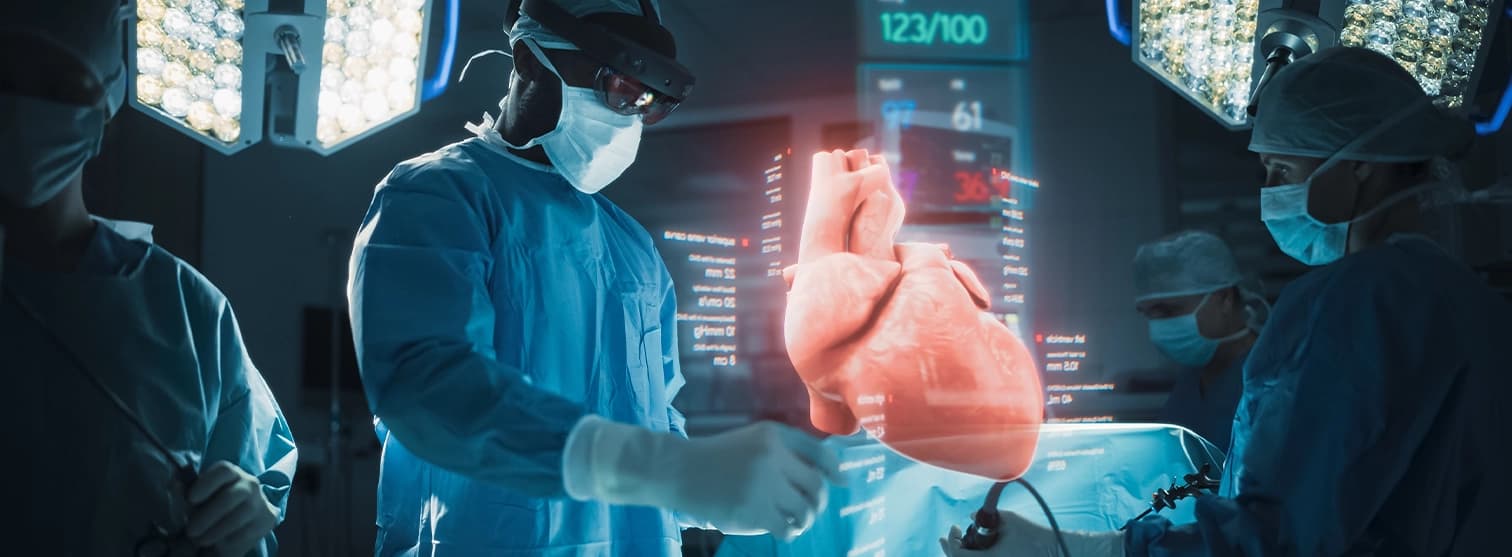

Loading...

98, HAL Old Airport Road, Kodihalli, Bengaluru, Karnataka 560017
Accreditations


Copyright © 2025 Manipal Hospitals - All Rights Reserved
Reviewed by: Organ Transplants Department
Posted on Jun 15, 2026
15 Min ReadLiving with advanced heart failure can make even the simplest activities feel exhausting. Climbing stairs, walking short distances, or carrying out daily tasks may leave you breathless and fatigued. When medications, lifestyle modifications, and other cardiac procedures can no longer improve heart function, a heart transplant surgery may become the most effective treatment option.
At Manipal Hospitals Global, our multidisciplinary transplant specialists combine advanced surgical expertise, comprehensive pre-transplant evaluations, and lifelong post-transplant care to help eligible patients achieve better health outcomes. The entire process relies on close coordination between transplant coordinators, surgical teams, transport systems, and advanced life-support technologies to maintain organ viability and ensure successful transplantation.
A heart transplant is a highly complex operation where a surgeon removes a failing, diseased heart and replaces it with a healthy, functioning heart from a deceased donor. Because a retrieved heart remains viable for only 4 to 6 hours after being removed from the donor, the final leg of this process moves incredibly fast. The transplant process requires close coordination between surgical teams, transplant coordinators, and life-support systems to maintain organ viability and ensure successful transplantation.
This major surgery is reserved strictly for individuals dealing with end-stage heart failure. This means the heart muscle is severely damaged, cannot pump enough blood to supply the body with basic oxygen and nutrients, and has failed to improve under any other standard medical or surgical options.
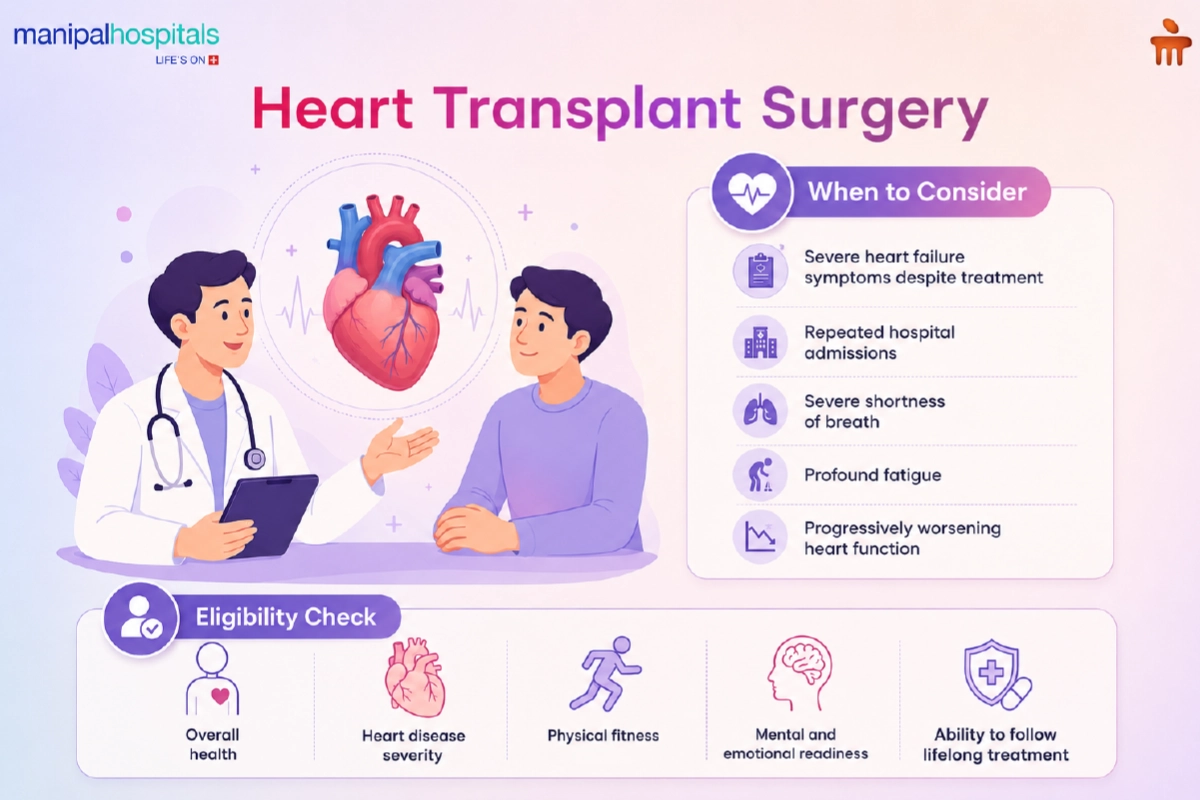
Patients with advanced heart failure often experience severe symptoms that significantly affect daily life and may indicate the need for heart transplant evaluation.
Several chronic heart conditions can steadily wear out the heart muscle over time until a transplant stands as the only effective solution:
Congenital Heart Defects: Structural flaws in the heart's valves or chambers present from birth can cause the entire circulatory setup to break down as the person grows into adulthood.
To qualify for a transplant, a hospital team must check you physically and mentally. This group of cardiologists, surgeons, nurses, social workers, and dietitians will look closely at your overall health, physical strength, and emotional readiness.
Certain health hurdles can make a heart transplant far too dangerous due to the incredible scarcity of donor hearts and the massive physical resilience required for the surgery. A patient might not meet the criteria for heart transplant eligibility if they have:
Once a patient passes the evaluation, they are placed on the official heart transplant waiting list.
Certain medical conditions may make transplantation unsafe or reduce the likelihood of long-term success:
Condition | Why It Matters |
Active Infection | May increase the risk of severe complications after surgery. |
Recent Cancer History | Immunosuppressive medications can increase the risk of cancer recurrence. |
Severe Liver, Lung, or Kidney Disease | Additional organ dysfunction can impact recovery and survival. |
Significant Frailty | May reduce the body's ability to tolerate major surgery and rehabilitation. |
Active Substance Abuse | Long-term transplant success requires strict medication adherence and follow-up. |
History of Poor Medical Compliance | Missing medications can result in life-threatening organ rejection. |
The moment a compatible donor heart is ready, the recipient must get to the hospital immediately. The open-heart surgery follows a strict clinical routine:
| Stage | What the Surgical Team Does | What the Surgical Team Does |
| 1. Anaesthesia & Setup | Gives general anaesthesia and inserts monitoring lines into blood vessels in the neck and wrist. | Ensures the patient stays in a deep, pain-free sleep while doctors track internal blood pressures in real time. |
| 2. Cardiopulmonary Bypass | Makes an incision down the centre of the chest, separates the breastbone, and connects the heart-lung machine. | Temporarily takes over the body's breathing and blood flow so the surgeon can safely operate on a completely still heart. |
| 3. Replacing the Heart | Cuts away the failing heart muscle and meticulously stitches the healthy donor heart into place. | Attaches the major blood vessels, like the aorta and pulmonary artery, to create leak-free connections. |
| 4. Starting the New Heart | Restores normal circulation to the chest, using tiny paddles for a gentle electric shock if needed. | Warms the new muscle with oxygen-rich blood, helping it establish a steady, reliable sinus rhythm. |
| 5. Closure | Places temporary pacing wires directly on the heart, inserts fluid drainage tubes, and wires the breastbone securely. | Manages early heart rate, prevents fluid buildup, and closes the chest cleanly. |
Heart transplant recovery requires long-term follow-up care, rehabilitation, and lifelong medication adherence.
Immediately after surgery, the patient spends a few days in the Intensive Care Unit (ICU) on a ventilator. Once breathing independently, the tube is removed, and the patient moves to a private ward for 7 to 14 days. Physical therapists assist the patient with sitting up, coughing safely with chest support, and taking short walks to rebuild strength.
Recovery continues after hospital discharge, and full healing takes time. Most recipients can get back to desk work, light walks, and basic hobbies within 3 to 6 months. However, protecting the new heart requires permanent, daily lifestyle changes during heart transplant recovery:
While a transplant carries long-term risks, regular follow-ups help manage them early.
Advanced care has significantly improved the global heart transplant survival rate:
For many families across the globe, travelling to India for advanced cardiac care has become a highly trusted choice. Modern medical centres offer elite surgical expertise, high success rates, and specialised transplant units.
International patients must plan their logistics early to align perfectly with national healthcare laws:
Advanced heart failure can significantly affect daily life and overall health, but modern transplant medicine offers effective treatment options for eligible patients. From advanced bridge therapies to successful heart transplant surgery, timely medical intervention can improve long-term survival and quality of life. Understanding heart transplant eligibility, recovery expectations, and long-term care requirements helps patients and families make informed decisions. For comprehensive evaluation and expert guidance, consult the organ transplant specialists at Manipal Hospitals Global.

Not sure what you’re looking for?
Not sure what you’re looking for?
Get in touch with our representatives for
help!
Get in touch with our
representatives for help!