A pediatric liver transplant gives children with end-stage liver disease a new chance at a healthy life and can save their lives. Pediatric transplantation calls for more accuracy, growth consideration, and long-term support than adult transplantation. Even though the process is difficult, from identifying appropriate organs to handling complications, the medical community keeps making incredible progress in enhancing the prognosis and standard of living for pediatric patients.
Synopsis
What is Pediatric Liver Transplant?
A pediatric liver transplant is a surgery that replaces a child's sick liver with a healthy liver from a donor. This surgery could be necessary if the liver has failed because of birth abnormalities, infections, metabolic illnesses, or liver tumours. The transplant could be from a living person, usually a parent, or a dead person.
Common indications for infant liver transplant and child transplants include:
Pediatric Liver Transplant Procedure at Manipal Hospitals Global
A pediatric liver transplant is a life-saving intervention for children facing end-stage liver failure or metabolic diseases. At Manipal Hospitals Global, the process begins with a comprehensive pre-transplant evaluation to assess the child’s physical readiness, followed closely by donor assessment and matching. This stage determines whether the child will receive a whole liver from a deceased donor or a partial graft from a healthy living donor, which is often a parent whose tissue and blood type match the child’s.
The transplant surgery itself is a highly complex operation where the diseased liver is meticulously removed and replaced with the healthy donor organ. Because a child's blood vessels are so small, the specialized surgical teams at Manipal Hospitals Global utilize advanced pediatric microsurgery to ensure optimal vascular reconstruction. Finding a living donor is often the preferred route, as it significantly reduces wait times on national registries and allows the procedure to be scheduled electively before the child's health deteriorates further.
Following surgery, the post-transplant recovery phase begins in a dedicated pediatric intensive care unit. The immediate priority is monitoring for organ rejection and managing the crucial regimen of immunosuppressant medications, which the child must take lifelong to keep their body from rejecting the new liver. The multidisciplinary pediatric transplant team at Manipal Hospitals Global provides comprehensive, long-term post-operative care to guide families through this critical recovery period and safeguard the child's health.
When Does a Child Need a Liver Transplant?
A pediatric liver transplant is recommended when a child's liver can no longer perform its life-sustaining functions, and alternative medical or surgical treatments are no longer effective. The decision to transplant is typically driven by two main scenarios: chronic liver failure, which develops gradually over months or years, and acute liver failure, which occurs suddenly within days or weeks in a previously healthy child.
It's very important to find liver illness in babies and youngsters early. We sometimes mistake jaundice, abdominal oedema, and failure to thrive for minor conditions. Prompt referral to expert juvenile liver transplant clinics ensures better preparation, higher liver transplant success rates, and improved long-term outcomes.
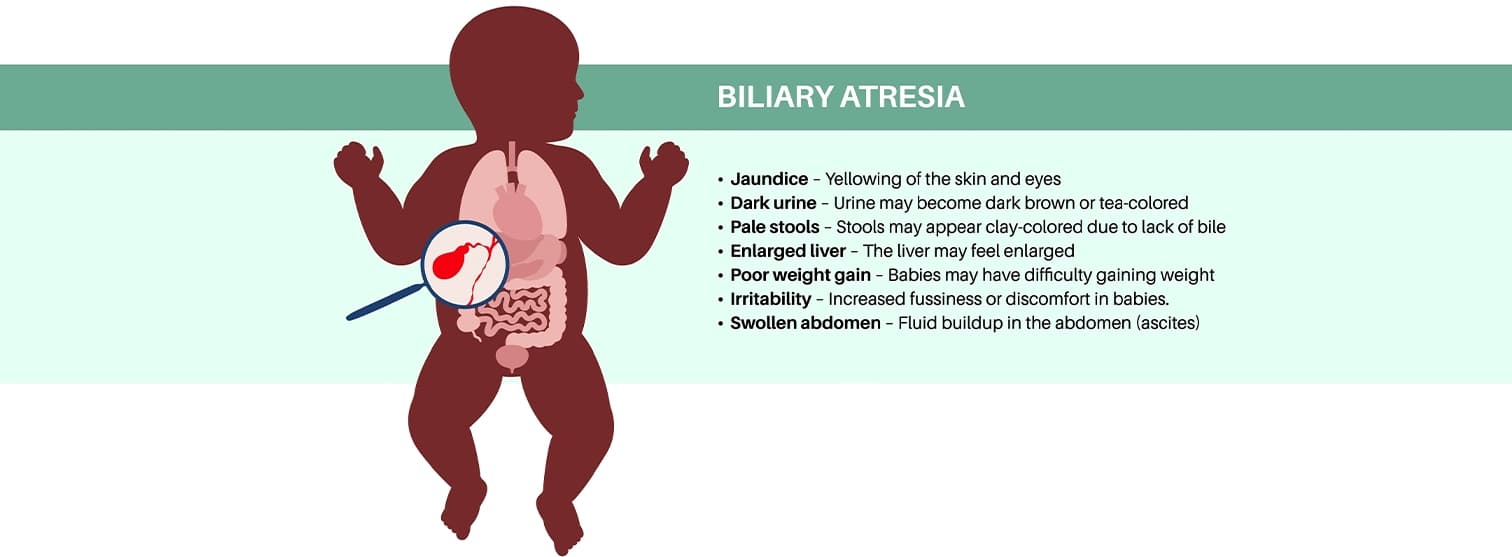
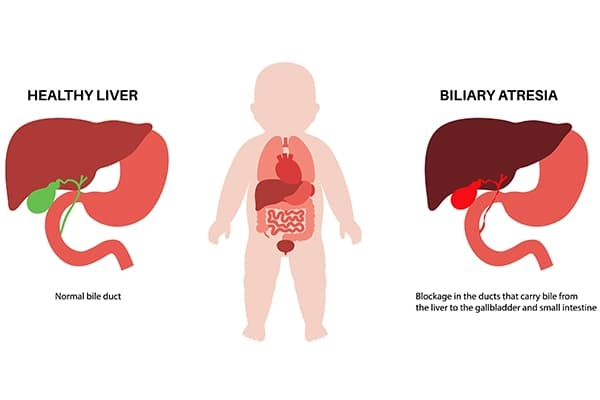
The most common condition leading to pediatric liver transplantation is biliary atresia, a congenital disorder where the bile ducts inside or outside the liver are abnormal, blocked, or absent, causing severe scarring and cirrhosis early in infancy. Other critical indications include metabolic liver diseases (such as Wilson's disease, alpha-1 antitrypsin deficiency, or tyrosinemia) where genetic defects cause toxic substances to build up and destroy liver cells. Additionally, children suffering from severe acute liver failure, which is often caused by viral infections or drug toxicities, or certain localized, non-resectable primary liver tumors like hepatoblastoma are also primary candidates for a transplant.
Evaluating these conditions early is vital, as a damaged liver severely impacts a child's overall growth, cognitive development, and nutritional status. The specialized pediatric hepatology team at Manipal Hospitals Global focuses on early diagnosis and intervention, ensuring that children who require a transplant are identified, stabilized, and matched with a donor before life-threatening complications arise.
Did you know?
Biliary atresia is the leading cause of liver transplants in infants, while metabolic disorders and sudden acute failure drive the need in older children. Timely evaluation at a specialized center like Manipal Hospitals Global is essential to prevent irreversible developmental delays and growth failure.
Unique Challenges in Pediatric Transplantation
Performing a pediatric liver transplant surgery is considerably more challenging than in adults. Here’s why:
1. Donor Organ Shortage
One of the biggest challenges is finding donor organs for infants and young children that fit their sizes. Although they are more readily available, split-liver and living donor liver transplants do not entirely fill the void.
2. Surgical Complexity
Children, especially infants, have much smaller anatomical structures. This makes the surgery technically demanding and requires a team highly skilled in pediatric transplantation techniques.
3. Immune System Risks
The immune systems of young children are not fully developed. After surgery, immunosuppressive drugs are needed to keep the body from rejecting the transplant, but they also make infections more likely. Finding the right balance of immunosuppressants is very important.
4. Post-Surgical Complications
Complications can occur post-surgery, requiring constant monitoring and follow-up. These include bile leaks, vascular problems, infections, and rejection.
Common Pediatric Liver Transplant Complications
Complication
Description
Management Approach
Bile Duct Complications
Blockage or leak in bile ducts after surgery
May require surgical correction or stenting
Hepatic Artery Thrombosis
Clotting of the main artery supplying the liver
Urgent re-transplant or revascularization
Rejection (acute/chronic)
Immune system attacks the transplanted liver
Managed with adjusted immunosuppression
Infections
Due to immunosuppressive therapy
Requires antibiotics and supportive care
Growth Delay & Nutritional Issues
Poor absorption or metabolic imbalance
Nutritional supplements and endocrine monitoring
Understanding and promptly addressing these pediatric liver transplant complications improves both survival and quality of life.
Innovations Bringing Hope
Despite the complexities, several medical advancements are transforming the landscape of pediatric liver transplant surgery:
Living Donor & Split-Liver Transplantation
With living-related liver donation, a part of an adult liver (usually from a parent) can be used for the child. This cuts down on wait times and makes results better. Split-liver transplantation allows two people, one adult and one child, to get organs from the same donor.
Immunosuppressive Advancements
Contemporary immunosuppressants are increasingly precise, exhibiting reduced side effects and enhanced tolerance, particularly in younger recipients. Researchers are still working to find ways to make these drugs less necessary for the rest of a person's life.
Dedicated follow-up protocols are being designed to monitor physical, emotional, and cognitive development, helping children reintegrate into normal life post-surgery.
The Role of Pediatric Liver Transplant Centers
Choosing the right hospital is vital. The best pediatric liver transplant hospital will offer:
With the advancements in the new technologies, children who have transplants at the right time generally go on to live full, active lives, going to school, playing sports, and even going to college.
But they need long-term follow-up for:
Watching how well the liver works
Managing the adverse effects of drugs
Dealing with psychosocial problems
Making sure that growth and development are normal
After the transplant, the patients need help from doctors, parents, and teachers all working together.
In the hard field of pediatric liver transplantation, Manipal Hospitals Global is a name you can trust. People know them for their high standards and compassion. Our transplant department can manage both simple and very severe situations, such liver transplants in babies. We are renowned as one of the top places to have a liver transplant.
Help with language and travel for families from other countries
Child-centered therapy and long-term recovery
Give your youngster a bright future. Trust Manipal Hospitals Global, where great care and goodwill come together.
About Manipal hospitals: As a pioneer in healthcare, Manipal Hospitals is among the top healthcare providers in India serving over 250K+ patients annually. Its focus is to develop an affordable, high quality healthcare framework through its multispecialty and tertiary care delivery spectrum and further extend it to out of hospital care. With the completion of acquisition of AMRI Hospitals, the integrated network will have a pan-India footprint of 49 hospitals across 24 cities with 12,600+ beds, and a talented pool of over 11,000 doctors and an employee strength of over 34,000. Manipal Hospitals provides comprehensive curative and preventive care for a multitude of patients from around the globe. Manipal Hospitals is NABH, AAHRPP accredited and most of the hospitals in its network are NABL, ER, Blood Bank accredited and recognized for Nursing Excellence. Manipal Hospitals has also been recognised the most respected and patient recommended hospital in India through various consumer surveys.