
2025 Medical Tourism Trends: Why India Leads in Global Healthcare
Reviewed by: Manipal Hospitals Global
Posted on Jul 22, 2025
7 Min Read

Synopsis
- The Global Surge in Medical Tourism
- Why Medical Tourists Choose India
- Key 2025 Medical Tourism Trends
- Decentralization: Rise of Tier II & III Healthcare Cities
- Holistic Care: Fusion of Modern and Traditional Medicine
- Accreditation and Transparency
- Competitive Advantages of Indian Medical Tourism in 2025
- Fastest-Growing Medical Tourism Segments
- Manipal Hospitals: A Pillar in Global Patient Care
- Global Impact and Vision Forward
- Conclusion
The Global Surge in Medical Tourism
Medical tourism 2025 has evolved into a multi-billion-dollar industry, with the global market projected to hit USD 278.2 billion and expected to soar to over USD 890 billion by 2035. This growth is driven by patients seeking:
- Cost-effective, high-quality surgeries and treatments.
- Access to specialized procedures unavailable or unaffordable in their home countries.
- Integrated care options including wellness, alternative therapies, and follow-up regeneration programs.
Why Medical Tourists Choose India
1. World-Class Healthcare at Affordable Prices
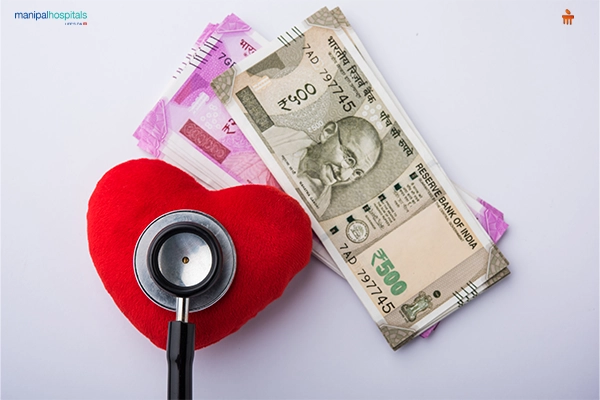
An unbeatable cost advantage continues to pull in medical tourists. For instance, a heart bypass surgery that would run from $100,000 in the U.S would cost around $8,000-$10,000 in India, with no difference in quality, including the qualified specialists and high-tech facilities.
2. Internationally Accredited Hospitals and Specialists
Hospitals like Manipal Hospitals are staffed by internationally trained doctors, use the latest medical technology, and conform to international clinical standards. Thousands of patients from the U.S., Europe, the Gulf, and Africa flock to these hospitals each year, with a focus on pain free experience and multilingual medical expertise.
These institutions continue to raise the standard of specialized treatments, including cardiology, orthopedics, oncology and fertility treatments, this makes India in the top destinations for treatment in the world.
Key 2025 Medical Tourism Trends
a) Patient-Centric and Hyper-Personalized Experiences
Today’s patients expect more than just treatment they want convenience, customized care pathways, and integrated wellness. The best Indian hospitals now offer:
- Language-specific services and international patient departments.
- Tailored treatment and recovery packages.
- Complementary therapies such as yoga, Ayurveda, and dietary counseling.
b) Rise of Digital Health and AI-Driven Diagnostics
Telemedicine and remote care have become pillars of international patient support in 2025. India has taken the lead here by developing and adopting platforms with hospital-backed video consultation systems:
- Digital tools allow patients to engage in pre-treatment consultations before traveling.
- AI-based screening and diagnostics speed up treatment decisions and enhance prognosis.
These breakthroughs are part of broader healthcare travel trends that are reshaping how international patients choose and experience care.
c) Simplified Medical Visa Process
India’s government has eased and digitalized the medical visa process under its “Heal in India” initiative. Specialized helpdesks at airports, fast-track processing, and multilingual support have significantly improved the arrival experience for medical travelers.
Decentralization: Rise of Tier II & III Healthcare Cities
While cities like Delhi, Mumbai, and Chennai remain dominant hubs, Tier II cities such as Pune, Ahmedabad, and Kochi are emerging rapidly. Manipal Hospitals, with its expanding network across Bangalore, Jaipur, Vijayawada, and Bhubaneswar, exemplifies this trend. These hospitals provide international-standard healthcare even outside metros, increasing accessibility and reducing travel-associated stress for patients seeking specialized care.
This decentralization supports better cost optimization and offers patients options to recover near natural or culturally enriching environments.
Holistic Care: Fusion of Modern and Traditional Medicine
Only in India do you find this seamless synergy between Western medicine and age-old traditions like:
- Ayurveda and Naturopathy incorporated alongside modern medicine.
- Yoga and mindfulness integrated into post-surgery rehab and cancer recovery programs.
- Customized detox and rejuvenation packages available after critical treatments.
This fusion creates not just physical healing, but also mental and spiritual wellness, exactly what many global patients seek.
Accreditation and Transparency
- JCI (Joint Commission International) accreditation.
- NABH and ISO standards.
- Transparent rating and billing systems.
- Compliant use of U.S. FDA / CE-certified medical equipment.
Competitive Advantages of Indian Medical Tourism in 2025
Edge | India’s Offering |
Cost Advantage | Medical procedures 60–90% cheaper than US/UK/EU |
Medical Visa Simplification | Digital e-visa platforms and on-arrival visa facilities |
Multilingual Support | International patient coordinators across major and mid-level facilities |
Integrative Wellness | Ayurveda, naturopathy, and yoga combined with modern recovery programs |
Strong Telemedicine Backend | End-to-end remote consultation, diagnostics, and patient monitoring |
Share this Article


Not sure what you’re looking for?
Not sure what you’re looking for?
Get in touch with our representatives for
help!
Get in touch with our
representatives for help!



