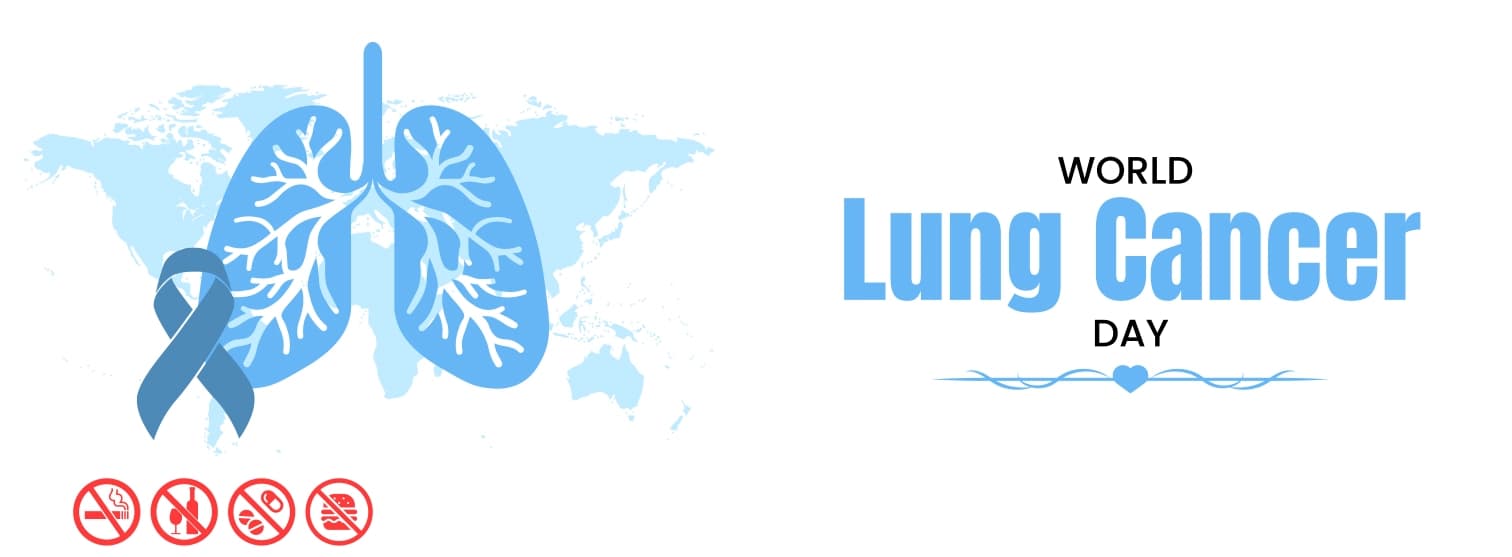
Every November, conversations around the world turn towards something most of us rarely think about: our lungs. Lung cancer awareness month is not just about a disease. It’s about remembering how fragile breathing can be when we stop paying attention to it.
The truth is, lung cancer doesn’t always announce its arrival. It grows quietly, almost politely, until one day it becomes hard to ignore. By then, treatment becomes more complicated. That’s why early detection of lung cancer isn’t only a medical phrase; it’s the thin line between finding help on time and finding it too late.
What Lung Cancer Awareness Month Truly Means
Lung cancer awareness month is a time to start gentle conversations about something that often makes people uneasy. Hospitals, doctors, and communities everywhere use these weeks to share information, clear myths, and give people the courage to ask questions about their health.
It’s not just about statistics or campaigns. It’s about small moments of realisation, that protecting your lungs is part of protecting your life. During this time, people are reminded that lung cancer prevention and lung cancer screening can genuinely change outcomes.
Many people still believe that lung cancer only affects smokers. That’s not true. Anyone can be at risk, especially in today’s world filled with pollution, stress, and environmental changes. The message behind this month stays simple: awareness saves lives.
Why Awareness Still Matters
Awareness might sound like a soft word, but it’s powerful. It gives people the knowledge they need to act early. It helps them connect the dots between a mild cough and something that could be more serious.
Lung cancer awareness is really about helping people notice what their bodies are saying. A cough that lingers. A little breathlessness that feels unusual. Chest pain that doesn’t quite go away. These are signs worth paying attention to.
When people understand that early detection of lung cancer improves treatment success, fear slowly turns into readiness. That readiness can make all the difference.
The Quiet Signs You Shouldn’t Brush Off
Lung cancer can be tricky because early symptoms often look harmless. That’s where lung cancer screening makes sense. But still, listening to your body helps. Some warning signs include:
A cough that refuses to leave, no matter the syrup or remedy.
Pain in the chest when laughing, coughing, or breathing deeply.
Tiny specks of blood while coughing.
Sudden weight loss without trying.
Feeling tired more than usual.
A hoarse voice that lingers.
Chest infections that keep returning.
These may not always mean cancer, but they do mean your body needs attention. The goal isn’t to panic, but to be proactive.
How Lung Cancer Develops
Our lungs work silently every second, taking in oxygen and releasing carbon dioxide. They do this effortlessly until damaged cells begin to grow out of control. Over time, these cells can form tumours, blocking the flow of air and affecting nearby tissue.
Without regular lung cancer screening, these growths can stay hidden for months or even years. That’s why medical experts keep emphasising early detection of lung cancer. Because catching it early often means gentler treatment and better recovery. For advanced diagnosis, screening, and personalised care, patients can explore trusted care pathways at Manipal Hospitals Global.
When found early, doctors can target smaller tumours before they spread. It’s like putting out a spark before it becomes a fire.
Simple Steps for Prevention
You can’t always stop lung cancer from developing, but you can reduce the risk. Prevention is about small, daily choices that protect your lungs in the long run.
Here are practical steps for lung cancer prevention that anyone can follow:
1. Quit Smoking
Cigarettes remain the leading cause of lung cancer. Quitting might be difficult, but it’s one of the strongest decisions you can make for your health. Even years of smoking can be undone, slowly, once you stop.
2. Avoid Second-hand Smoke
Breathing in smoke from someone else’s cigarette harms your lungs too. Keep your spaces smoke-free and encourage others to do the same.
3. Pay Attention to Air Quality
Air pollution plays a quiet role in lung disease. Try staying indoors on high-pollution days, use purifiers if you can, and add plants to your home for cleaner air.
4. Eat Foods That Support Lungs
A diet full of fruits and vegetables helps your lungs stay strong. Carrots, spinach, oranges, and berries are good examples. The antioxidants they carry help repair tissue and reduce inflammation.
5. Check for Radon Gas
Radon is a natural gas that can seep into homes through the ground. It’s invisible and odourless, yet a known cause of lung cancer. You can get simple test kits to check your home’s levels.
6. Keep Moving
Exercise strengthens your lungs, clears toxins, and improves breathing. Even a brisk 20-minute walk helps the lungs expand and stay active.
7. Visit for Regular Health Checks
Routine check-ups and lung cancer screening catch warning signs early. A short visit now might prevent a long battle later.
These habits aren’t complicated. They’re about choosing to care a little more for your body every day.
Why Early Detection Saves Lives
There’s no overstating how important early detection of lung cancer is. When cancer is caught early, treatments are less harsh, and the chances of complete recovery go up. Modern scans can spot tiny changes inside the lungs long before symptoms appear. CT scans are one such tool. They’re safe, quick, and accurate.
Doctors recommend lung cancer screening, especially for people who smoke, used to smoke, or are often exposed to pollutants. Detecting something small now can mean avoiding bigger complications later.
This is why lung cancer awareness isn’t just about knowing what it is. It’s about acting before it becomes something you can’t ignore.
For International Patients
For many international patients, India has become a trusted choice for advanced lung cancer screening and treatment. Hospitals here follow global medical standards, using state-of-the-art imaging and precision-guided procedures.
But it’s not just about the technology. It’s the human touch that makes a difference. The doctors, nurses, and staff understand how stressful the journey can be when you’re far from home. Early detection of lung cancer here feels like a partnership. You’re cared for, informed, and treated with respect every step of the way.
Treatment and Care
Treatment plans for lung cancer differ from person to person. It depends on the stage, type, and overall health of the patient. Common methods include surgery, radiation therapy, chemotherapy, and targeted drugs.
Medical teams today focus on treating the patient as a whole, not just the disease. Counselling, nutrition guidance, and physical therapy play important roles too.
Lung cancer awareness also means recognising that recovery isn’t only physical. It’s emotional. It’s learning to breathe again with calm and confidence.
Living a Fuller Life After Lung Cancer
Surviving lung cancer changes how people look at life. Lung cancer prevention becomes a daily routine: fresh food, morning walks, good sleep, and less stress.
Those who’ve been through lung cancer screening or treatment often say it made them appreciate every breath a little more. They become advocates for others, reminding friends and family to stay alert and not postpone check-ups.
Early detection of lung cancer brings hope. It turns fear into focus, helping people regain control over their health and choices.
Creating Awareness Together
Change doesn’t happen alone. It begins with conversations: small, honest ones between family, friends, or colleagues.
When someone shares what they’ve learned about lung cancer prevention, it can inspire others to take action. Workplaces and schools can join in too, organising talks or health checks that encourage lung cancer screening and regular consultations.
Every time one person becomes aware, the ripple spreads further. That’s what lung cancer awareness really stands for: connection, empathy, and collective strength.
A Breath That Means More
As this awareness month unfolds, take a quiet moment to notice your breath. To remember that each inhale and exhale is more than routine. It’s life continuing, softly and steadily.
Awareness is not just about avoiding illness. It’s about respecting the lungs that carry us through every day. When early detection of lung cancer for lung cancer prevention via timely lung cancer screening is done, the results can be life-changing.
At Manipal Hospitals Global, the focus stays on compassionate care, modern diagnostics, and global-standard treatment. For international patients seeking confidence and comfort, these values mean everything.
So, this November, talk about lung health. Learn, listen, and breathe consciously. Awareness is the first step, and every breath after that is a celebration of it.