Common indications for infant liver transplant and child transplants include:
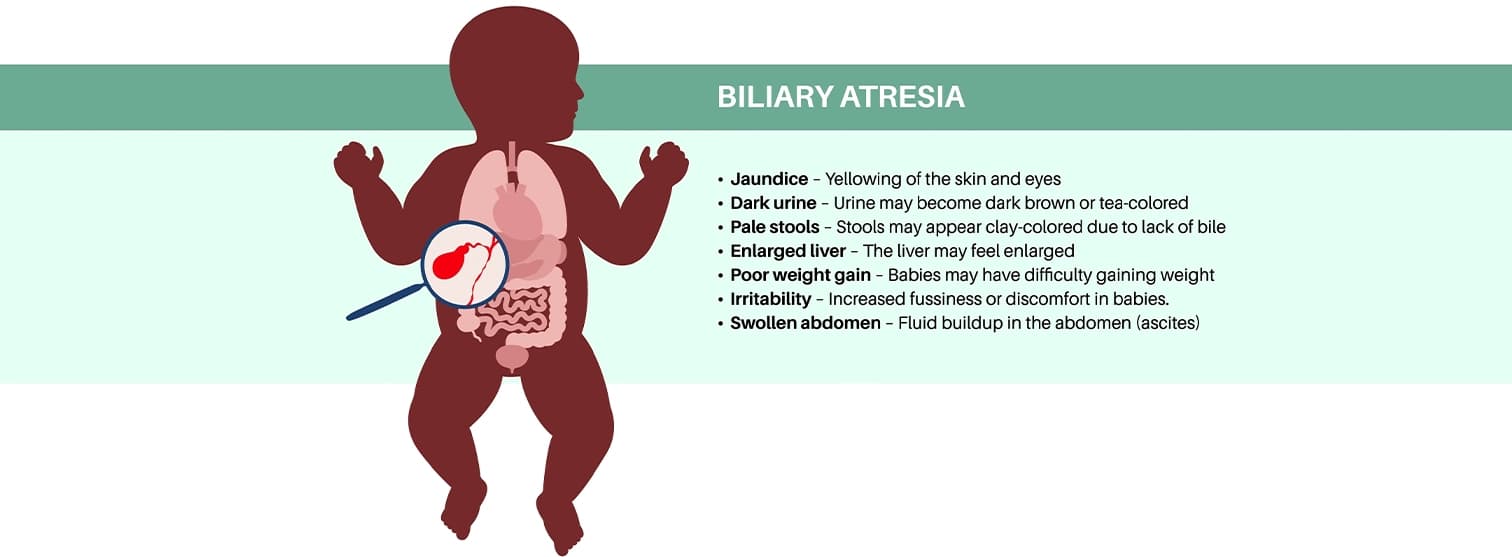
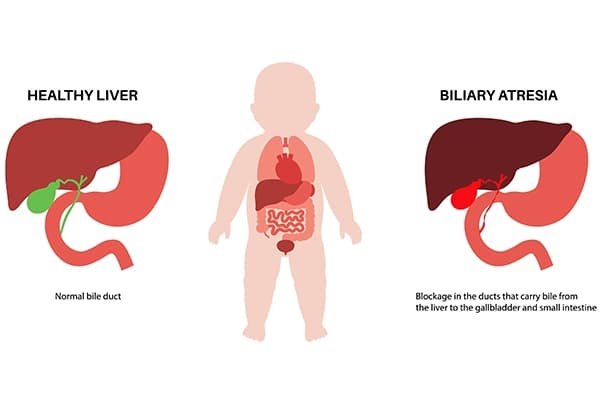
Biliary atresia (most common cause).
Acute liver failure.
Metabolic illnesses that run in families.
Liver malignancies and hepatoblastoma.
Progressive familial intrahepatic cholestasis (PFIC).
It's very important to find liver illness in babies and youngsters early. People sometimes mistake jaundice, abdominal oedema, and failure to thrive for minor conditions. Prompt referral to expert juvenile liver transplant clinics ensures better preparation, higher liver transplant success rates, and improved long-term outcomes.
Performing a pediatric liver transplant surgery is considerably more challenging than in adults. Here’s why:
1. Donor Organ Shortage
One of the biggest challenges is finding donor organs for infants and young children that fit their sizes. Although they are more readily available, split-liver and living donor liver transplants do not fill the void.
2. Surgical Complexity
Children, especially infants, have much smaller anatomical structures. This makes the surgery technically demanding and requires a team highly skilled in pediatric transplantation techniques.
3. Immune System Risks
The immune systems of young children are not fully developed. After surgery, immunosuppressive drugs are needed to keep the body from rejecting the transplant, but they also make infections more likely. Finding the right balance of immunosuppressants is very important.
4. Post-Surgical Complications
Complications can occur post-surgery, requiring constant monitoring and follow-up. These include bile leaks, vascular problems, infections, and rejection.
Despite the complexities, several medical advancements are transforming the landscape of pediatric liver transplant surgery:
Living Donor & Split-Liver Transplantation
With living-related liver donation, a part of an adult liver (usually from a parent) can be used for the child. This cuts down on wait times and makes results better. Split-liver transplantation allows two people, one adult and one child, to get organs from the same donor.
Immunosuppressive Advancements
Contemporary immunosuppressants are increasingly precise, exhibiting reduced side effects and enhanced tolerance, particularly in younger recipients. Researchers are still working to find ways to make these drugs less necessary for the rest of a person's life.
Robotic & Minimally Invasive Techniques
Some pediatric transplantation centres are beginning to adopt robotic-assisted surgery, which enhances precision and reduces post-operative trauma.
Long-Term Care Models
Dedicated follow-up protocols are being designed to monitor physical, emotional, and cognitive development, helping children reintegrate into normal life post-surgery.
Choosing the right hospital is vital. The best pediatric liver transplant hospital will offer:
A multidisciplinary team of pediatric surgeons, hepatologists, anaesthesiologists, dietitians, and psychologists.
Advanced surgical infrastructure and intensive care.
Facilities for infant liver transplant.
Proven track record and transplant success rates.
Support for international patients, including travel, accommodation, and post-operative follow-up.
Thanks to new ideas and hard work, the survival rate for paediatric liver transplants is now above 85% after five years. Children who have transplants at the right time generally go on to live full, active lives, going to school, playing sports, and even going to college.
But they need long-term follow-up for:
Watching how well the liver works.
Managing the adverse effects of drugs.
Dealing with psychosocial problems.
Making sure that growth and development are normal.
After the transplant, these kids need help from doctors, parents, and teachers, all working together.
In the hard field of paediatric liver transplantation, Manipal Hospitals Global is a name you can trust. People know them for their high standards and compassion. Our transplant department can manage both simple and very severe situations, such as liver transplants in babies. We are renowned as one of the top places to have a liver transplant.
Our world-class paediatric transplantation team at Manipal Hospitals Global offers personalised surgery planning and donor evaluation.
Modern operating rooms and ICUs.
Expert care after surgery for problems.
Help with language and travel for families from other countries.
Child-centred therapy and long-term recovery.
Whether you're coming from another nation or looking for treatment in your region, Manipal Hospitals Global makes it easy, safe, and helpful for your kid and family to get care.
Give your youngster a bright future. Trust Manipal Hospitals Global, where great care and goodwill come together.