
Signs of Hormonal Imbalance in Women in Today’s Lifestyle: Risks, Symptoms, and When to Seek Care
Reviewed by: Obstetrics and Gynaecology Department
Posted on Mar 18, 2026
7 Min Read

Synopsis
- What is Hormonal Imbalance?
- Common Causes of Hormonal Imbalance in Women
- Common Hormonal Imbalance Symptoms in Women
- Understanding Estrogen Imbalance
- PCOS Symptoms and Treatment
- The Role of Thyroid Hormone Imbalance
- When Should Women Seek Medical Advice?
- Lifestyle Tips to Support Hormonal Balance
- Conclusion
What is Hormonal Imbalance?
Hormonal imbalance occurs when the body produces too much or too little of certain hormones. In women, hormones such as estrogen, progesterone, thyroid hormones, and insulin must remain in balance for proper body functioning.
Even a small disruption in hormone levels can lead to noticeable health changes. Conditions such as thyroid hormone imbalance, estrogen imbalance, and PCOS symptoms and treatment are commonly associated with hormonal disturbances in women.
Modern lifestyle habits are one of the most significant contributors to hormonal disruption, making awareness and early diagnosis increasingly important.
Common Causes of Hormonal Imbalance in Women
Several factors can contribute to hormonal imbalance symptoms in women, especially in today's fast-paced lifestyle.
Stress and Mental Pressure
Chronic stress increases the production of cortisol, the body’s stress hormone. High cortisol levels can interfere with reproductive hormones and lead to issues such as irregular periods causes, fatigue, and mood swings.
Poor Diet and Nutritional Deficiencies
Highly processed foods, excessive sugar intake, and nutrient deficiencies can disrupt hormone production. Diets lacking essential vitamins and minerals may also contribute to estrogen imbalance and metabolic disorders.
Lack of Physical Activity
Sedentary lifestyles can affect insulin regulation and weight management. This can contribute to conditions like polycystic ovary syndrome, which is closely linked to PCOS symptoms and treatment.
Thyroid Disorders
The thyroid gland regulates metabolism and energy levels. A thyroid hormone imbalance can cause symptoms such as fatigue, weight changes, irregular periods, and hair loss.
Sleep Disturbances
Sleep plays an important role in hormonal regulation. Lack of sleep can affect hormones responsible for appetite, mood, and reproductive health.
Environmental Toxins
Exposure to chemicals in plastics, cosmetics, and pollution can disrupt endocrine function and lead to hormonal disturbances over time.
Common Hormonal Imbalance Symptoms in Women
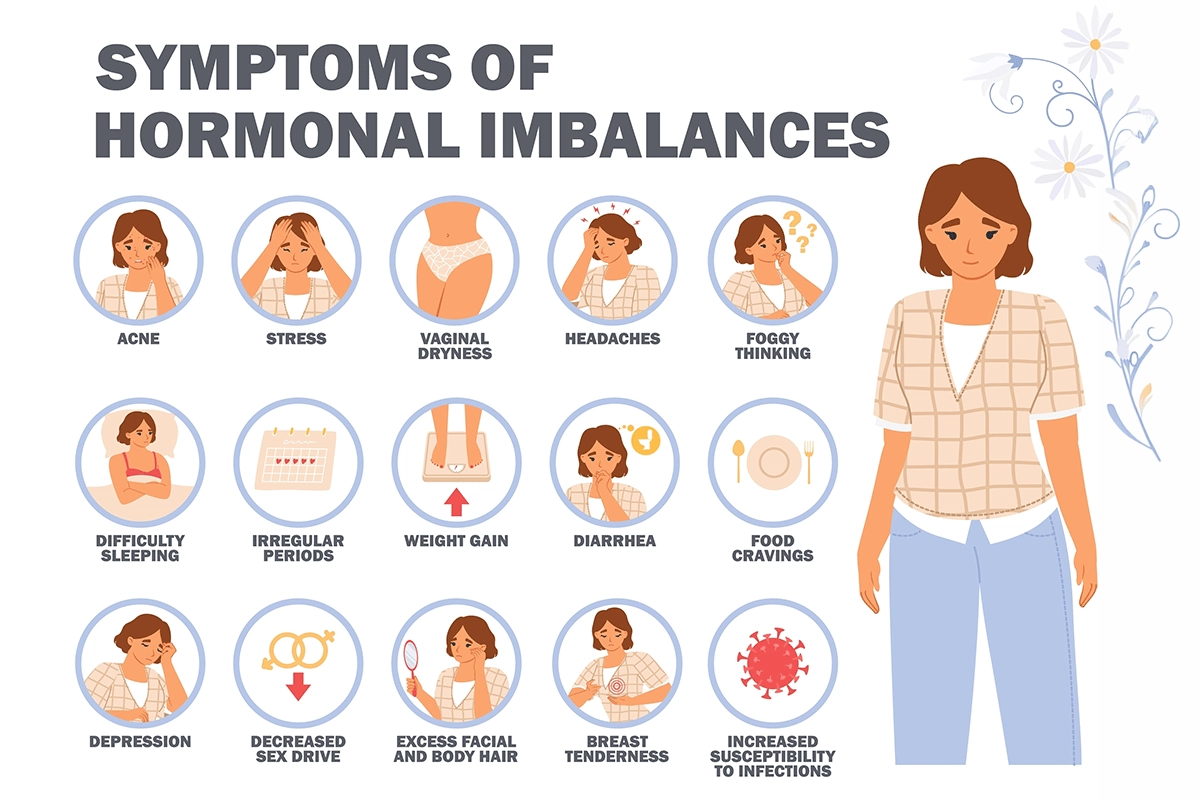
Hormonal imbalance can present with various physical and emotional symptoms.
Irregular Menstrual Cycles
One of the most common warning signs is irregular periods. Many women experience changes in cycle length, heavy bleeding, missed periods, or painful menstruation.
Understanding irregular periods is important because they may indicate underlying hormonal conditions such as PCOS, thyroid disorders, or hormonal deficiency.
Unexplained Weight Gain
Hormonal imbalance can interfere with metabolism and fat storage. Women may notice sudden or unexplained weight gain, particularly around the abdomen.
Conditions such as thyroid hormone imbalance or insulin resistance often contribute to these changes.
Persistent Fatigue
Constant tiredness, even after adequate rest, may signal hormonal disruption. Hormones play a major role in regulating energy levels and metabolism.
Women experiencing fatigue alongside other symptoms should consider female hormone testing for accurate diagnosis.
Mood Swings and Anxiety
Hormones significantly influence emotional well-being. Sudden mood changes, anxiety, irritability, or depressive feelings may occur when hormone levels fluctuate.
These symptoms are often linked to estrogen imbalance or thyroid disorders.
Acne and Skin Changes
Hormonal acne is common in women experiencing hormonal fluctuations. It typically appears on the jawline, chin, or cheeks and may persist despite skincare treatments.
These skin changes are often associated with PCOS symptoms and treatment or excess androgen hormones.
Hair Loss or Hair Thinning
Hair thinning or excessive hair fall may occur due to hormonal imbalances, especially when associated with thyroid hormone imbalance or androgen excess.
Sleep Problems
Hormonal disruptions can interfere with sleep patterns. Women may experience insomnia, restless sleep, or difficulty maintaining consistent sleep cycles.
Understanding Estrogen Imbalance
Estrogen is one of the most important hormones in women. It regulates reproductive health, bone strength, and many metabolic functions.
An estrogen imbalance can occur when estrogen levels are either too high or too low.
Common signs include:
- Irregular menstrual cycles
- Breast tenderness
- Mood changes
- Weight gain
- Decreased libido
Estrogen imbalance may also increase the risk of certain health conditions if not properly managed.
PCOS Symptoms and Treatment
Polycystic Ovary Syndrome (PCOS) is one of the most common hormonal disorders affecting women of reproductive age.
Typical PCOS symptoms and treatment indicators include:
- Irregular or missed periods
- Excess facial or body hair
- Acne and oily skin
- Difficulty conceiving
- Weight gain
PCOS occurs due to hormonal imbalances involving insulin and androgen levels.
Treatment may include lifestyle changes, medications to regulate menstrual cycles, and therapies aimed at improving fertility and metabolic health.
The Role of Thyroid Hormone Imbalance
The thyroid gland controls metabolism, heart rate, and body temperature. A thyroid hormone imbalance can significantly impact hormonal health.
There are two main types of thyroid disorders:
Thyroid Condition | Effects |
Hypothyroidism | Fatigue, weight gain, hair loss, irregular periods |
Hyperthyroidism | Anxiety, rapid heartbeat, weight loss, menstrual changes |
Thyroid problems are a common but often overlooked cause of hormonal imbalance symptoms in women.
Importance of Female Hormone Testing
Accurate diagnosis of hormonal disorders often requires laboratory testing. Female hormone testing helps evaluate hormone levels and identify underlying health conditions.
Common hormone tests include:
- Estrogen levels
- Progesterone level
- Thyroid function tests
- Testosterone levels
- Prolactin levels
These tests help doctors determine the cause of hormonal imbalance and recommend appropriate treatment.
When Should Women Seek Medical Advice?
Women should consider medical consultation if they experience persistent symptoms such as:
- Irregular or absent menstrual cycles
- Severe acne or hair growth
- Unexplained weight changes
- Mood disturbances
- Difficulty conceiving
- Chronic fatigue
Early diagnosis and treatment can prevent complications and improve quality of life.
Lifestyle Tips to Support Hormonal Balance
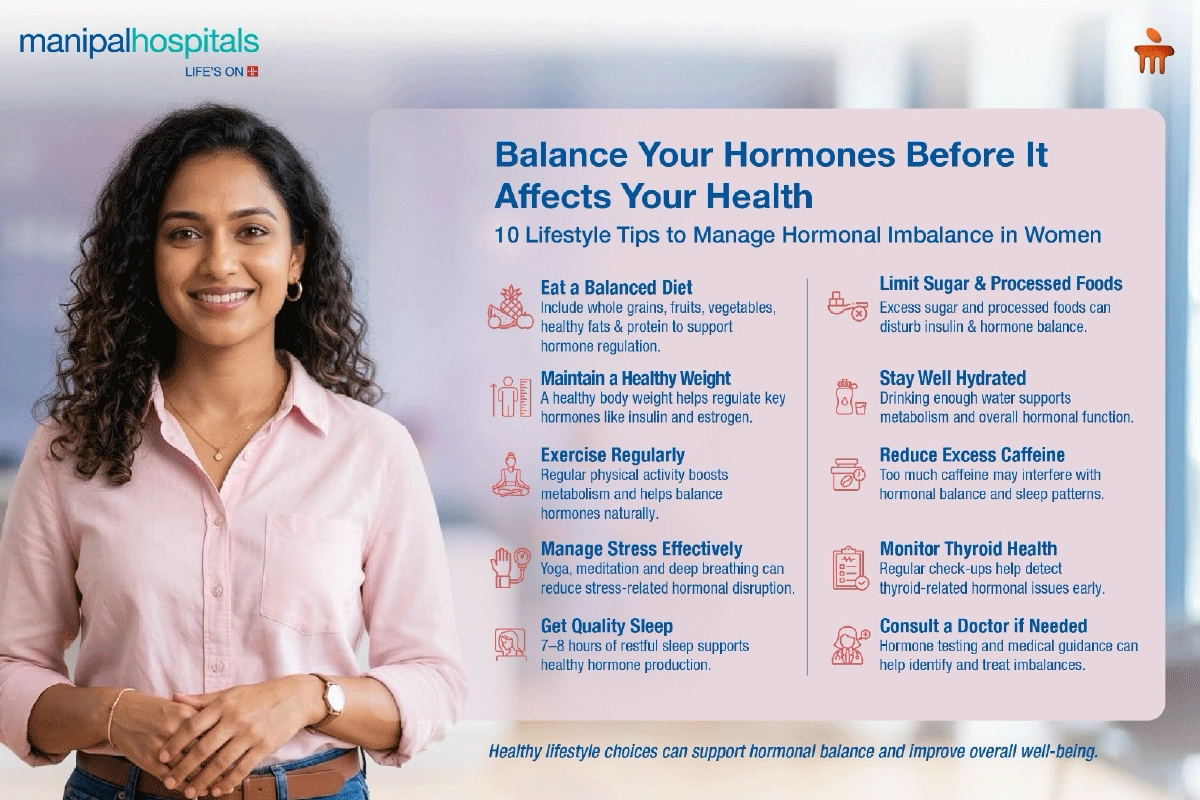
While medical treatment may be necessary in some cases, lifestyle habits play an important role in maintaining hormonal health.
Healthy practices include:
- Eating a balanced and nutritious diet
- Regular physical activity
- Maintaining a healthy weight
- Managing stress through relaxation techniques
- Getting adequate sleep
- Avoiding excessive sugar and processed foods
These habits can help regulate hormones and reduce the severity of hormonal imbalance symptoms in women.
Conclusion
Hormonal health is an essential aspect of a woman’s overall well-being. Modern lifestyle factors such as stress, poor diet, and environmental influences are increasingly contributing to hormonal imbalance symptoms in women.
Recognising early warning signs such as irregular periods, mood changes, fatigue, and skin issues can help women seek timely medical advice. Conditions like thyroid hormone imbalance, estrogen imbalance, and PCOS symptoms and treatment require proper evaluation and management.
At Manipal Hospitals Global, our experienced specialists in Obstetrics and Gynaecology speciality provide comprehensive care, advanced diagnostics including female hormone testing, and personalised treatment plans to support women’s hormonal health.
If you are experiencing symptoms of hormonal imbalance, consult our experts today and take the first step toward better health and hormonal balance.
Share this Article

Not sure what you’re looking for?
Not sure what you’re looking for?
Get in touch with our representatives for
help!
Get in touch with our
representatives for help!



