
Top 10 Common Health Issues Women Face and How to Prevent Them
Reviewed by: Obstetrics and Gynaecology Department
Posted on May 16, 2025
11 Min Read

Synopsis


5. Depression and Anxiety
Women are more likely than men to experience mental health issues like depression and anxiety. Hormonal changes related to menstruation, pregnancy, and menopause can contribute to these mental health concerns.
Prevention:
- Regular exercise to boost mood and reduce anxiety.
- Seeking professional help and considering therapy or counseling.
- Practising mindfulness and stress-reduction techniques such as yoga or meditation.
6. Urinary Tract Infections (UTIs)
UTIs are one of the most common health problems in women, with women being more prone to them due to the shorter length of their urethra. These infections can be painful and, if untreated, can lead to kidney damage.
Prevention:
- Drink plenty of water to flush out bacteria.
- Urinate after sexual activity to prevent bacteria from entering the urinary tract.
- Wipe from front to back to reduce the risk of infection.
7. Cervical Cancer
Cervical cancer is a significant concern for women, often caused by the human papillomavirus (HPV). Regular pap smears and HPV tests are critical for early detection and prevention.
Prevention:
- Get vaccinated against HPV.
- Regular pap smears and pelvic exams starting at age 21.
- Safe sex practices to reduce the risk of HPV transmission.
8. Endometriosis
Endometriosis is a painful condition where tissue similar to the lining of the uterus grows outside the uterus. This often causes infertility, pelvic pain, and heavy periods.
Prevention:
- While there is no definitive way to prevent endometriosis, early diagnosis and treatment can help manage symptoms and improve fertility outcomes.
- Pain management strategies, such as anti-inflammatory medications or hormonal treatments.
9. Menstrual Disorders
Menstrual irregularities are common among women of reproductive age, ranging from heavy bleeding to painful periods (dysmenorrhea) and skipped periods. These disorders can interfere with daily life and sometimes indicate underlying health conditions.
Prevention:
- Maintain a healthy diet and manage stress levels.
- Regular physical activity can help regulate periods.
- Seek medical advice if periods become irregular or cause significant discomfort.
10. Thyroid Disorders
Thyroid issues, including hypothyroidism and hyperthyroidism, are common among women, especially those over 60. These conditions can lead to weight changes, fatigue, and other complications.
Prevention:
- Regular screening for thyroid function, particularly for women over 40 or those with a family history of thyroid disease.
- Maintaining a healthy diet and managing stress can also help regulate thyroid function.
Health Screenings for Women
To catch these common health issues for women early, regular screenings are essential. Here’s a quick guide:
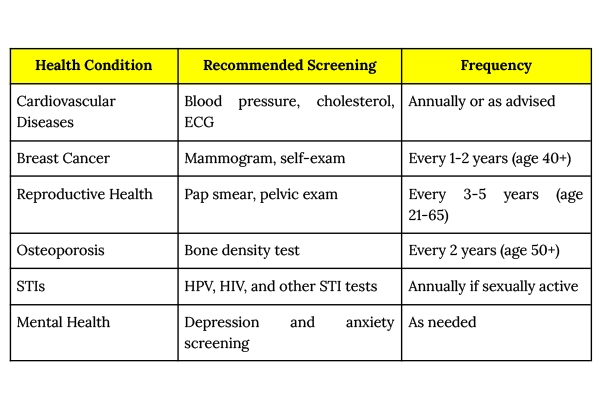
At Manipal Hospitals Global, we understand that women's health requires specialised attention at every stage of life. From preventive care like mammograms and osteoporosis screening to advanced gynaecological treatments, our expert team is dedicated to providing personalised care.
Whether you're managing heart health, mental well-being, or reproductive health, we are here to support you with comprehensive medical services. Prioritise your health today – schedule a consultation with our skilled gynaecologists and take the first step towards a healthier, more fulfilling life. Trust Manipal Hospitals Global for world-class women's healthcare, wherever you are.
For more information on women's health, you can explore these reliable resources:
- WHO Women's Health – Insights and data on global women's health issues.
- CDC Women's Health Guidelines – Comprehensive guidelines for women's health screening and prevention.
Share this Article

Not sure what you’re looking for?
Not sure what you’re looking for?
Get in touch with our representatives for
help!
Get in touch with our
representatives for help!



