Catching your reflection or buttoning your trousers and noticing an unexpected fullness or a heavy swell in your lower belly can be a worrying experience. You might try to pull your stomach in, only to find your body returning to that bloated, uncomfortable shape as if it had a mind of its own. This is often how the journey with uterine fibroids begins. It does not always start with a sudden sharp pain but rather through a quiet shift in your pelvic health that makes simple daily tasks feel completely exhausting.
Uterine fibroids are not considered a normal hurdle to just live with; they are a real medical change in the muscle layer of your womb. Modern treatments have improved significantly compared to the aggressive options used in the past. Today, the focus is on helping you feel comfortable again and getting your energy back. This blog explores the clinical signs of the condition, the primary uterine fibroid causes, and the latest advancements in modern treatment.
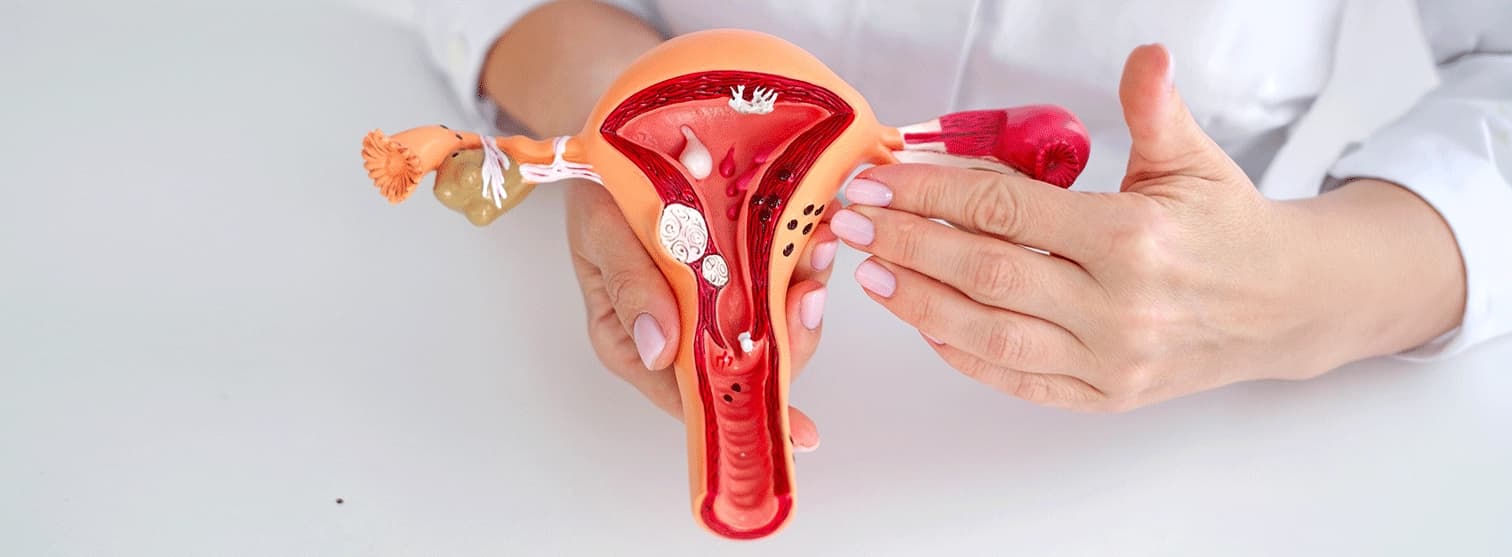
Uterine fibroids occur when the smooth muscle cells of the womb multiply abnormally, forming non-cancerous (benign) lumps. These growths disrupt the natural structure and healthy comfort of your pelvis.
Intramural Fibroids: This is a well-known type where the lumps grow directly within the muscular wall of your uterus. As they expand, they can make the womb stretch and feel heavy.
Submucosal Fibroids: This refers to growths sitting just under the inner lining of the uterine cavity. Even when tiny, these can severely distort the lining, leading straight to heavy bleeding and unpredictable cycles.
Subserosal Fibroids: These grow on the outer surface of your uterus, expanding into the pelvis. They can become quite large, sometimes reaching the size of a melon, which puts immense local pressure on nearby organs.
When these lumps grow, the surrounding pelvic tissues are put under constant pressure. This persistent strain leads to chronic fatigue and pelvic soreness, typically associated with the condition.
Early Warning Signs
Recognising uterine fibroid symptoms early can be the difference between a simple medical plan and a complex surgical intervention. Because the body is excellent at compensating for internal changes, the early signs are often subtle.
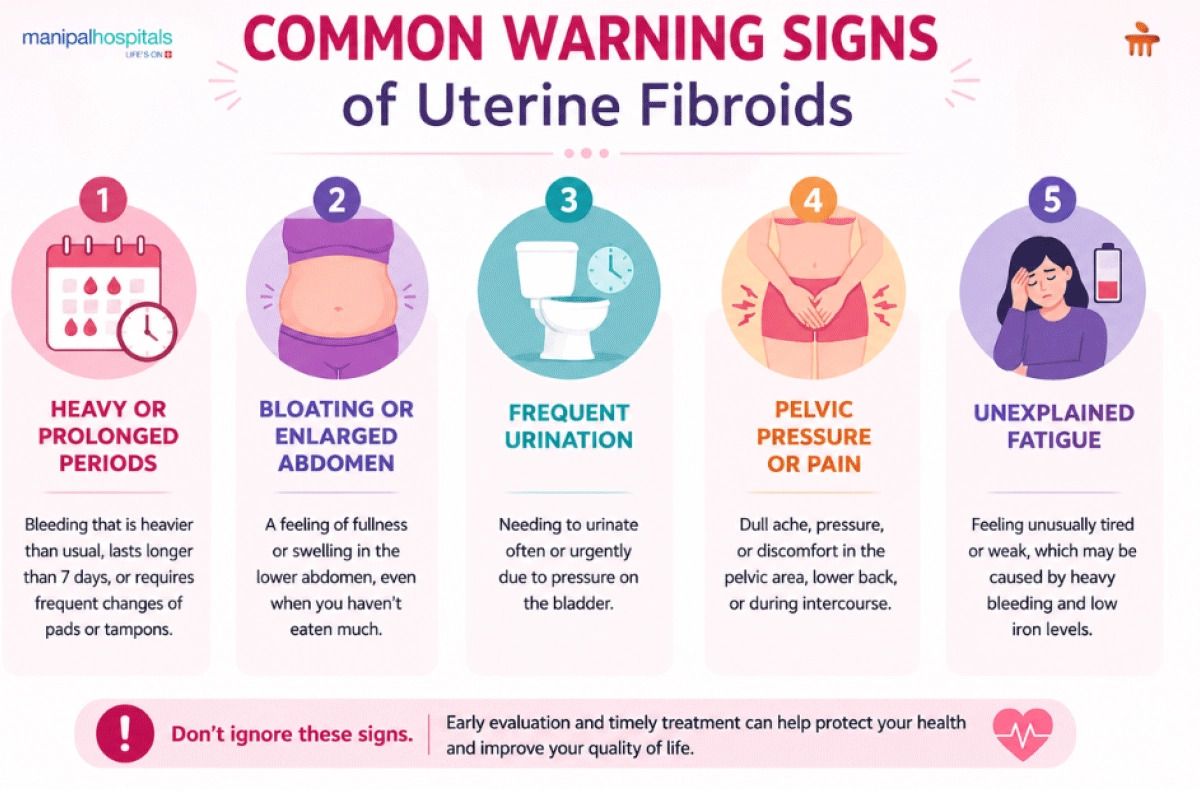
The Changing Waistline: One of the most reliable signs isn't pain but how your clothes fit. You might notice your skirts or trousers feel unusually tight around your lower tummy or that you look bloated even when you haven't eaten.
Heavy and Long-Lasting Periods: Take a look at your cycle. Are your periods lasting much longer than they used to or forcing you to change products constantly? This heavy bleeding is a classic indicator that a growth is disrupting your uterine lining.
Postural Relief (The Frequent Urination Sign): Instinctively leaning forward or running to the toilet every hour is a significant clinical indicator. Large outer fibroids often press hard against your bladder, reducing how much liquid it can hold and making you feel like you constantly need to pee.
Deep Pelvic Pressure: If you bend forward or sit down quickly, do you feel a dull, heavy ache in your lower back or pelvis? This often indicates that the size or number of the fibroids is putting a physical weight on your internal frame.
Unexplained Fatigue: While we all get tired, losing your energy completely often means the heavy blood loss from your periods is draining your iron levels, leading straight to anaemia.
Why Do Fibroids Develop?
These growths can have many origins, and understanding the "why" is the first step toward effective uterine fibroids treatment.
Hormonal Triggers (Estrogen and Progesterone): This is the main driver in women. Fibroids thrive on the normal female hormones that control your cycle. When these hormone levels are at their peak during your reproductive years, the growths tend to get fueled and expand.
Genetic Factors: If your mother or sister had them, your chances are much higher. It seems some women are simply born with a genetic predisposition that makes their uterine cells more likely to turn into fibroids.
Lifestyle and Body Mass: Higher body weight and a larger BMI can alter how your body handles hormones. Extra fat cells produce more oestrogen, which directly contributes to the growth of these benign tumours.
Early Menstruation: Starting your periods at a very young age means your uterine tissue has been exposed to reproductive hormones for a longer span of time, increasing the risk of developing later in life.
Diagnosis of Uterine Fibroids
If you suspect a problem, the diagnostic process is straightforward but thorough. Specialists in uterine fibroid treatment use a combination of physical assessment and advanced imaging to map out the lumps.
Method
What the Doctor Does
What it Reveals
Physical Assessment
Performs a standard pelvic exam to feel the size and shape of your womb.
Whether your uterus feels enlarged or irregular, suggesting growths are present.
Pelvic Ultrasound Scan
Uses a transabdominal or transvaginal sound-wave probe against gravity.
The exact number, size, and location of the fibroids inside the tissue.
Lab Blood Tests
Takes a small blood sample to run a complete blood count (CBC).
Whether your heavy periods have caused a drop in red blood cells (anaemia).
Hysteroscopy & MRI
Guides a tiny camera through the cervix or uses advanced magnetic imaging.
Precisely where a submucosal lump is pressing into the inner uterine cavity.
Modern Options for Uterine Fibroids Treatment
The philosophy of care has shifted. We no longer wait for growth to become unbearable before offering a solution; instead, we look for ways to maintain comfort and protect your health as early as possible.
Conservative Care: The First Line of Defence
For many, the symptoms can be managed without ever stepping into an operating theatre.
Hormonal Control: This isn't about hiding the problem; it's about using targeted treatments like GnRH agonists or progestin-releasing IUDs to calm the hormone triggers. This takes the pressure off the uterus and can temporarily shrink the lumps.
Bleeding Modulation: Through non-hormonal medications like tranexamic acid, patients can significantly reduce their menstrual blood loss on heavy days so they can remain active.
Iron Restoration: Managing the "ache" and the fatigue is vital, so doctors often recommend specific supplements to fix any underlying anaemia.
Advanced Surgical Intervention
When the condition becomes so severe that it affects your bladder, causes unbearable pain, or threatens your plans to have a family, fibroid surgery can become an important treatment option. Procedures like a myomectomy procedure are now much more precise; surgeons use keyhole laparoscopy or hysteroscopy to stay accurate and keep the healthy parts of the womb safe.
The goal of a myomectomy procedure is simple: to remove the troublesome growths while keeping the uterus intact. This is the ideal route if you are hoping to get pregnant in the future. However, if your family is complete and the bleeding is a threat to your health, a hysterectomy (removing the womb entirely) remains the only permanent cure to ensure the fibroids never come back.
Recovery: What to Expect
Whether you choose a conservative path or a surgical one, recovery is a marathon, not a sprint.
Non-Surgical Path: Many patients notice a gradual improvement in pain and heavy periods within several weeks of starting a dedicated medical or lifestyle plan.
Surgical Path: With modern keyhole fibroid surgery, many patients are encouraged to get up and walk within a day or two. However, it takes about 4 to 6 weeks for the deeper tissues to heal fully. During this time, the body rests and adapts to its newly recovered balance.
Conclusion
Living with the heavy strain of uterine fibroids can make moving through your day feel difficult, but it doesn't have to stay that way. From noticing a changing waistline to choosing an advanced myomectomy procedure, there are clear ways to feel better.
If you are noticing changes in your cycle or persistent pelvic fatigue, do not dismiss it as “just stress.” Early intervention is one of the most effective ways to manage symptoms and improve long-term health outcomes. With advanced uterine fibroids treatment options available at Manipal Hospitals Global, patients can access expert care through the Department of Obstetrics and Gynaecology, supported by experienced specialists, modern diagnostics, and minimally invasive treatment approaches. Whether through medical management or advanced fibroid surgery, timely care can help reduce pain, restore comfort, and improve your overall quality of life.