Deep Brain Stimulation (DBS) Surgery for Parkinson’s Disease: A Complete Guide
Reviewed by: Dr. Anurag Saxena
Posted on Apr 13, 2026
10 Min Read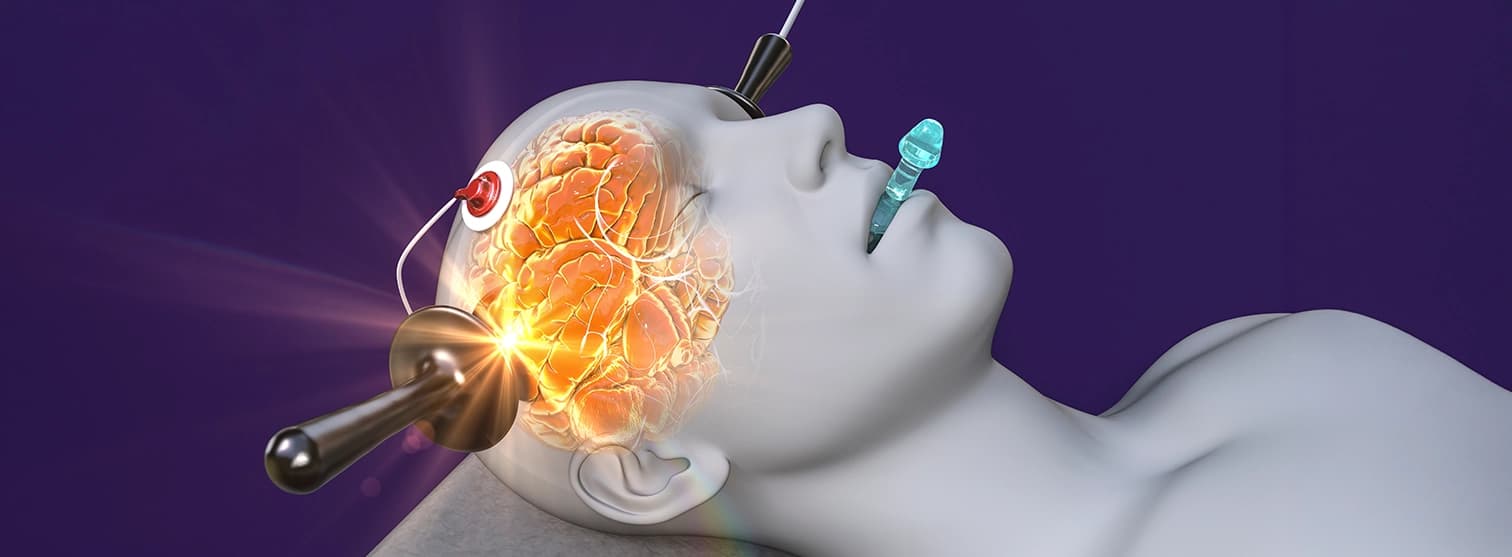

Loading...

98, HAL Old Airport Road, Kodihalli, Bengaluru, Karnataka 560017
Accreditations


Copyright © 2025 Manipal Hospitals - All Rights Reserved
Reviewed by: Dr. Anurag Saxena
Posted on Apr 13, 2026
10 Min ReadParkinson's disease affects millions worldwide, gradually reducing a person’s ability to move freely, think clearly, and live independently. While medications remain the first line of treatment, many patients eventually experience reduced effectiveness of medicines. In such cases, surgical options, particularly deep brain stimulation (DBS) therapy, has emerged as a highly effective treatment option for managing advanced symptoms.
One of the most advanced surgical treatments available today is the deep brain stimulation surgery procedure, often referred to as "DBS deep brain stimulation surgery." This procedure has helped thousands of patients worldwide regain better control of movement and significantly improve their quality of life.
Deep brain stimulation surgery is a specialised neurosurgical procedure where thin electrodes are implanted in specific areas of the brain that control movement. These electrodes are connected to a small device, similar to a pacemaker, placed under the skin near the collarbone.
The device sends controlled electrical impulses to regulate abnormal brain signals that cause Parkinson’s symptoms such as tremors, stiffness, and slow movements. While DBS surgery for Parkinson's disease does not cure Parkinson’s, it helps significantly manage symptoms and improve daily functioning.
In simple terms, Parkinson’s disease disrupts the electrical communication within brain circuits responsible for movement. The procedure helps restore balance to these signals, allowing patients to experience smoother and more controlled movements.
Not every Parkinson’s patient requires surgery. Doctors usually recommend DBS surgery for Parkinson's disease for patients who:
Patients often ask whether they will be awake or asleep during DBS surgery. Both approaches are used today, and the choice depends on the patient’s condition and the surgeon’s recommendation.
Awake DBS Surgery
Traditionally, DBS surgery is performed while the patient is awake but comfortable under local anaesthesia. This allows the surgical team to monitor brain activity and ask the patient to perform simple tasks during electrode placement. This feedback helps ensure the electrodes are positioned accurately in the targeted brain region.
Asleep DBS Surgery
Advances in imaging and surgical technology now allow DBS to be performed under general anaesthesia, meaning the patient is fully asleep during the procedure. High-resolution brain imaging and robotic guidance help surgeons accurately place the electrodes without requiring patient interaction.
Both methods are safe and effective, and the decision between awake and asleep DBS depends on individual medical factors, patient comfort, and the expertise of the surgical team.
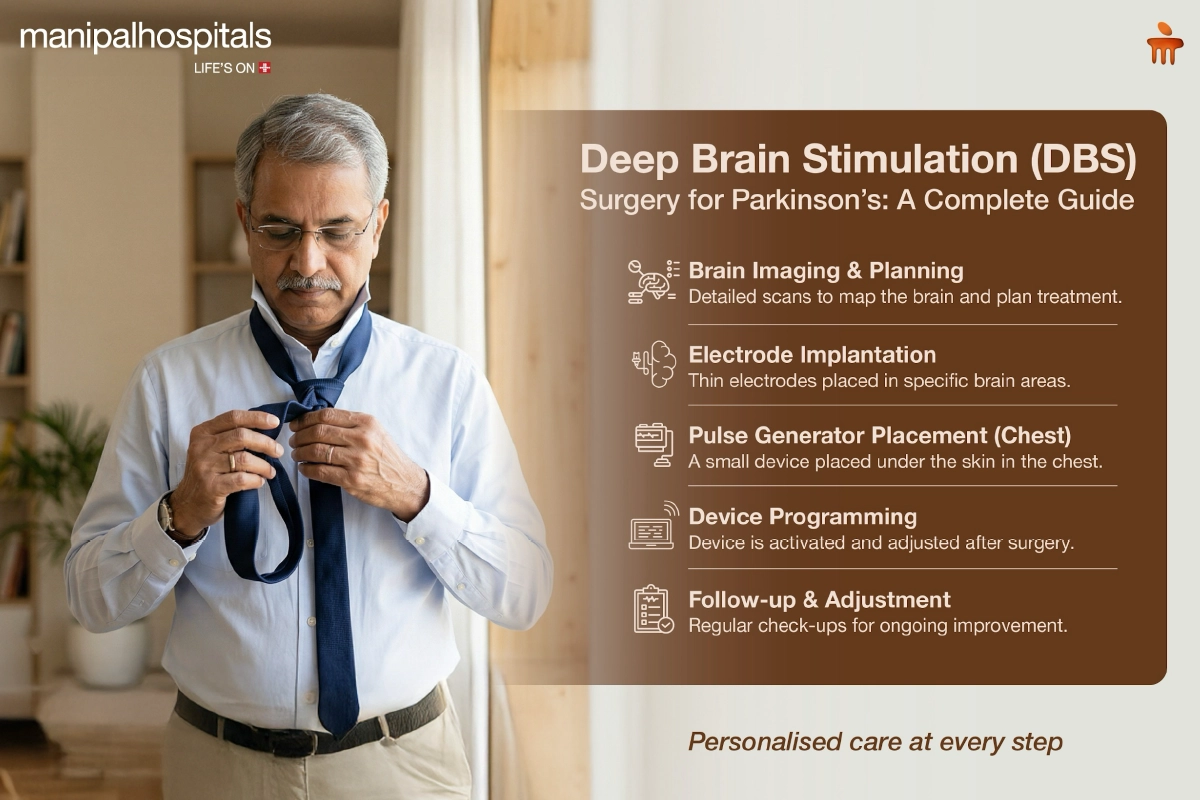
The deep brain stimulation surgery procedure usually takes place in multiple stages.
Before surgery, doctors conduct several tests, including MRI scans, neurological assessments, and cognitive evaluations. These tests help identify the exact brain areas where electrodes should be placed.
During DBS surgery, the neurosurgeon creates a small opening in the skull and carefully inserts thin electrodes into targeted brain regions responsible for movement control.
In a second procedure, a small impulse generator (similar to a pacemaker) is placed under the skin near the chest. The electrodes are connected to this device through wires under the skin.
After recovery, neurologists adjust the stimulation settings over time to achieve the best symptom control.
For many patients, the deep brain stimulation surgery procedure leads to noticeable improvements in their daily life and overall functioning.
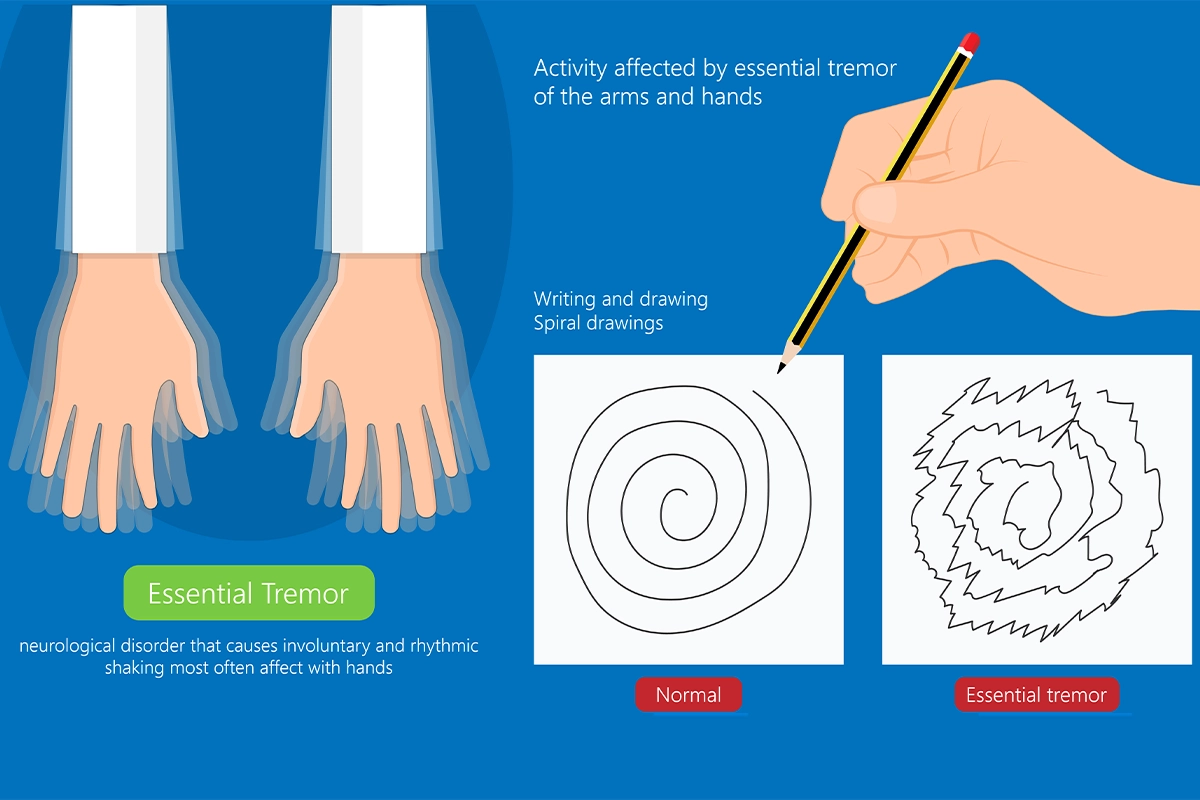
Tremors, or shaking of the hands, arms, legs, or jaw, are one of the most common symptoms of Parkinson’s disease. These tremors can make simple activities like writing, eating, or holding objects difficult. After DBS surgery, many patients experience a significant reduction in tremors. This allows them to perform routine tasks more comfortably and with better control.
Parkinson’s disease often causes muscle stiffness and rigidity, which can limit movement and make walking or changing positions difficult. DBS surgery for Parkinson’s disease helps improve communication between the brain and the muscles. As a result, patients may experience smoother movements, less stiffness, and better overall muscle control.
People with Parkinson’s disease usually need medications to control their symptoms. Over time, these medications may become less effective or cause side effects. After undergoing this surgery, many patients can reduce the amount of medication they take. Lower medication doses can help reduce side effects while still maintaining excellent symptom control.
Long-term use of Parkinson’s medications can sometimes cause involuntary movements known as dyskinesia. These movements can affect the arms, legs, or face and may become uncomfortable or disruptive. The deep brain stimulation surgery procedure can help reduce these medication-related movements by stabilising brain signals and allowing better adjustment of medication levels.
With improved movement control and reduced symptoms, patients often find it easier to perform everyday tasks. Activities such as walking, dressing, cooking, and writing become more manageable. This increased independence can greatly improve confidence and emotional well-being.
Many patients undergoing DBS surgery for Parkinson's disease report improved mobility and balance. They may be able to walk more steadily and move more freely. In addition, better symptom control can lead to improved sleep, as tremors and stiffness that disturb rest are reduced.
Overall, deep brain stimulation surgery can significantly improve the quality of life for patients with Parkinson’s disease. By reducing tremors, improving movement, and lowering medication-related complications, this treatment helps many individuals regain independence and live more active lives.
Like any brain surgery, deep brain stimulation surgery carries certain risks, although serious complications are rare.
Possible risks include:
However, with proper patient selection and experienced surgical teams, the procedure is considered safe and effective.
Patients with severe dementia, uncontrolled psychiatric conditions, serious medical illnesses, or those who do not respond to Parkinson’s medications may not be suitable candidates for DBS surgery.
After DBS surgery, patients require regular follow-ups to ensure the device works effectively and symptoms are well controlled. The DBS device is usually activated and programmed about 2–4 weeks after surgery, once the brain has healed from the procedure.
During the initial months, doctors gradually adjust the stimulation settings and review medications to find the best balance for symptom control. This optimisation process may take several weeks to a few months, as each patient responds differently to the therapy.
Many patients experience significant improvements in tremors, stiffness, slowed movements, and medication-related fluctuations. As symptoms become more manageable, patients often notice an improvement in their mobility, daily functioning, and overall quality of life.
In most cases, patients can gradually return to normal activities, including walking, light exercise, social activities, and in some cases even work, depending on their overall health and the severity of symptoms. Doctors may also advise when it is safe to resume driving or other tasks that require coordination and concentration.
Although deep brain stimulation does not cure Parkinson’s disease or stop its progression, it can provide long-term symptom relief and help patients maintain independence and a more active lifestyle for many years with proper follow-up care and device management.
Manipal Hospitals Global is one of the leading destinations for deep brain stimulation surgery and advanced neurological care. With a network of internationally accredited hospitals across India, Manipal Hospitals combines world-class medical expertise with cutting-edge technology to deliver exceptional outcomes for patients with Parkinson’s disease.
The hospital’s team of highly experienced neurologists and neurosurgeons specialises in performing complex procedures such as DBS (deep brain stimulation) surgery using advanced imaging, precision surgical techniques, and personalised treatment planning. International patients benefit from comprehensive support services including treatment coordination, visa assistance, accommodation support, and post-treatment follow-up.
For patients seeking parkinson's disease surgery or the latest deep brain stimulation surgery procedure, Manipal Hospitals Global provides a trusted healthcare destination known for clinical excellence, patient safety, and compassionate care.

Not sure what you’re looking for?
Not sure what you’re looking for?
Get in touch with our representatives for
help!
Get in touch with our
representatives for help!