Deciding to have a nose job is a big step. Maybe you have wanted to change your nose for years, or you have a persistent breathing issue. Whatever led you to consider surgery, the weeks that follow the procedure can feel like the biggest unknown. The path to your final results requires patience, as facial tissue takes time to adjust and settle. It is entirely common to feel a bit anxious about how you will look and feel in the days immediately following your operation. Having a clear, practical map of the weeks ahead can help you understand your healing period, look after yourself safely, and watch your new profile emerge with confidence.
This blog walks you through rhinoplasty recovery week by week, so you know what to expect and when.
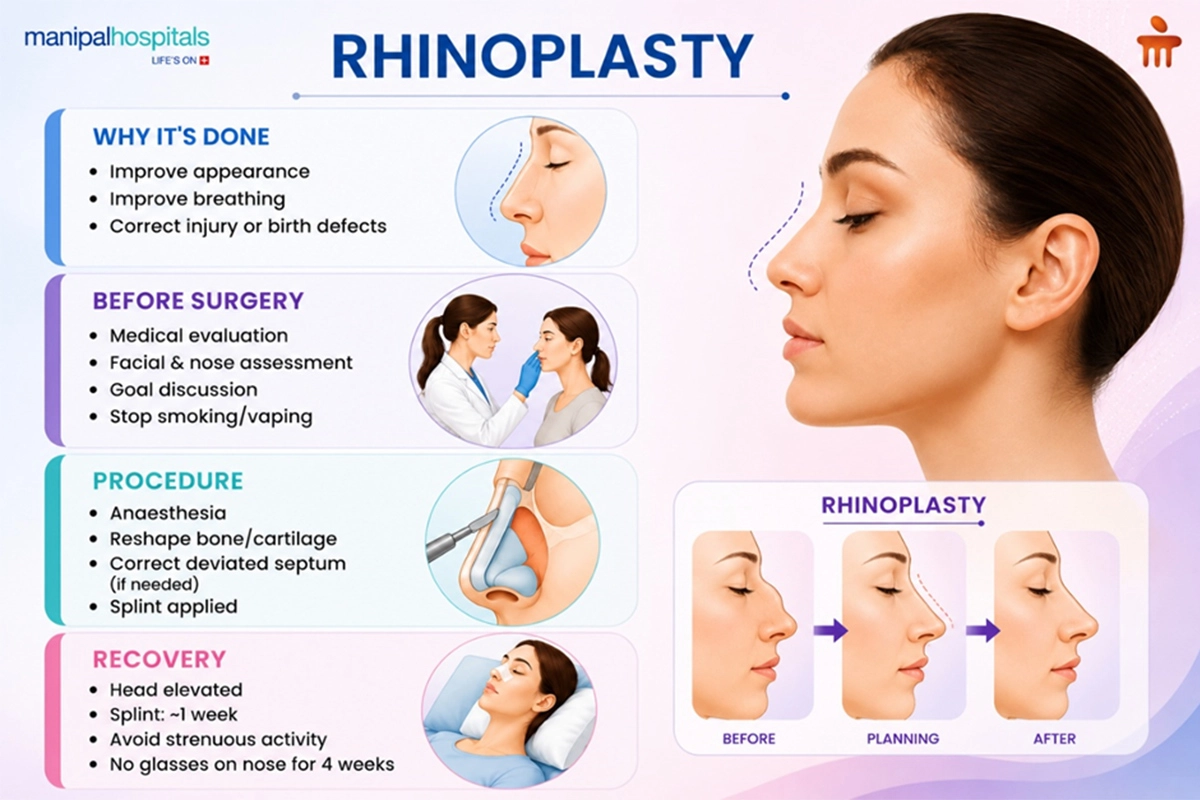
Before exploring the healing stages, it helps to understand the baseline goals of the operation. If you are researching this option for the first time, you might wonder, what is rhinoplasty? Put simply, it is a type of plastic surgery designed to modify the size, shape, or proportions of your nose.
Surgeons treat this area by customising the procedure to your specific facial layout. The operation falls into two main categories:
Cosmetic Alterations: Focuses on changing the outward look of the nose, such as smoothing out a noticeable bump on the bridge, narrowing wide nostrils, or adjusting an upturned or drooping tip to create better facial balance.
Functional Alterations: Aimed at restoring proper nasal function. This type of reconstructive nose surgery fixes internal blockages caused by birth defects, traumatic facial breaks, or a deviated septum, the internal wall separating your nostrils.
Often, a surgeon will combine both approaches in a single operation, allowing you to breathe more easily while also achieving your desired appearance.
Surgical Approaches: How Does Rhinoplasty Work?
Every operation is tailored to your specific facial anatomy. To understand how rhinoplasty works, it helps to look at the two primary methods a surgeon uses to access the underlying bone and cartilage during a nose reshaping procedure:
The Open Approach: The surgeon makes a small incision across the thin strip of skin between your nostrils to lift the skin framework. This provides a direct, completely clear view of the internal anatomy, offering maximum precision for major structural shifts. It leaves a tiny, faint external scar on the underside of the nose.
The Closed Approach: The surgeon performs the entire operation through incisions hidden inside the nostrils. Because the cuts are purely internal, there is no visible scarring on the outside of the face, and the local tissue experiences less disruption, leading to a slightly faster initial recovery window for minor changes.
Preparing for the Procedure
Before scheduling your nose surgery, you will have an initial consultation to review your medical history and take reference photographs. To ensure a safe procedure and a smooth rhinoplasty recovery, you must follow these standard steps:
Medications: Stop taking medicines containing aspirin or ibuprofen for two weeks before and two weeks after your surgery, as these compounds thin the blood and increase your bleeding risks.
Smoking and Vaping: Stop completely well in advance of your date. Nicotine restricts blood flow and deprives healing tissues of oxygen, which can cause serious tissue complications or significantly delay wound healing.
Anaesthesia: The operation is typically an outpatient procedure performed under either general anaesthesia or local anaesthesia with deep sedation to keep you relaxed and pain-free.
The Healing Time of Rhinoplasty: A Week-by-Week Timeline
While the exact healing time of rhinoplasty varies from person to person, your body follows a predictable pattern as facial tissues mend.
Recovery Timeline
What to Expect
Week 1: Initial Healing Phase
The nose is protected with a plastic splint and medical tape to support its new shape. Cotton gauze packing inside the nostrils helps manage initial bleeding and is usually removed within 24–48 hours. Patients can expect nasal congestion, mouth breathing, and noticeable bruising or swelling around the eyes.
Week 2: Splint Removal
The surgeon removes the external splint and stitches, offering the first glimpse of the rhinoplasty results. The nose may still appear swollen, wide, or slightly upturned due to residual fluid retention. Bruising around the eyes typically fades significantly by day 10, allowing most individuals to return to work or school.
Weeks 3–4: Recovery Progresses
Most visible signs of surgery continue to improve. Facial stiffness decreases, breathing becomes easier, and swelling gradually subsides. Temporary asymmetrical swelling may make the nose appear uneven or slightly crooked, which is a normal part of the healing process.
Months 2–3: Major Swelling Reduction
Approximately 90% of the initial swelling resolves during this period. The nose begins to reveal its refined shape and definition, while the skin feels less tight. Light exercise can usually be resumed, although contact sports should still be avoided.
One Year: Final Results
Complete rhinoplasty recovery typically takes up to 12 months. The remaining subtle swelling, particularly around the nasal tip, gradually disappears, allowing the skin to fully adapt to the reshaped bone and cartilage structure and reveal the final outcome.
Practical Self-Care: How to Reduce Swelling After Rhinoplasty
As your body repairs cells from the inside, your everyday choices can help speed up the clearing of fluid and prevent accidental damage to your nasal structure. If you want to know how to reduce swelling after rhinoplasty effectively, incorporate these practical habits into your routine:
Keep Your Head Up High. When resting or sleeping the first few weeks, prop your head up on extra pillows. Keeping your head higher than your chest means you’re using gravity to drain fluid away from your face. It also reduces initial bleeding risks.
Apply cool compresses safely. Apply cool compresses or chilled packs to your cheeks and under your eyes to calm local skin. Do not put cold packs on your nose, as the weight and pressure can disturb the shifting bone and cartilage framework.
Don't blow your nose. Don't blow your nose for at least two to three weeks, no matter how clogged you feel. If you need to sneeze or cough, do so with your mouth open so that there are no sudden pressure spikes in your nasal passages.
Be careful with your glasses. Do not wear your glasses or sunglasses on the bridge of your nose for at least four weeks. The constant weight can cause indentations in the soft healing bone. You can tape your glasses to your forehead or use special cheek rests.
Opt for Front-Fastening Clothing. Choose shirts that button or zip up the front. Don’t pull jumpers or t-shirts over your head, as these can catch or bump your nasal tip.
Cut Back on Sodium. Reducing salt intake helps your body to flush out the retained fluids faster and thereby reduces the puffiness of your face in the morning.
When to Call Your Specialist
Some mild discomfort and feeling “stuffed up” are normal parts of healing, but call your care team if you notice any unexpected changes, such as:
A nosebleed that starts suddenly and can't be stopped and doesn't stop after a few minutes.
Signs of infection, such as high fever or yellow discharge from the nose.
Tough, pounding pain that doesn’t go away with your prescribed pain medication.
Severe nausea and vomiting or sudden trouble breathing.
Rhinoplasty Care at Manipal Hospitals Global
At Manipal Hospitals Global, rhinoplasty is approached as both a functional and aesthetic procedure, tailored to each patient's facial structure, breathing needs, and desired outcomes. Our experienced plastic surgeons and ENT specialists work together to address cosmetic concerns while preserving or improving nasal function whenever required.
Using advanced ENT surgical techniques, including open and closed rhinoplasty approaches, our specialists perform procedures ranging from cosmetic nose reshaping and revision rhinoplasty to correction of deviated septum, post-traumatic nasal deformities, and congenital nasal abnormalities. Comprehensive pre-operative assessment, personalised surgical planning, and structured post-operative care help ensure safe recovery and natural-looking results.
For international patients, dedicated support services including virtual consultations, treatment planning, visa assistance, travel coordination, accommodation guidance, and follow-up care ensure a seamless treatment journey from consultation to recovery.
Conclusion
A nose job is a permanent body modification; it is long-lasting, but the transformation takes time and a steady approach to recovery. Your surgeon will give you specific instructions for your care after surgery, but you can also help ensure a safe recovery by raising your head and giving your tissues time to heal (which can take months) to obtain a balanced, functional result. At Manipal Hospitals Global, our experienced specialists provide personalised care and guidance throughout your rhinoplasty journey to help you achieve safe, natural-looking results.