Migraine Management: Diagnosis and Treatment Options for International Patients
Reviewed by: Neurology Department
Posted on Jun 16, 2026
8 Min Read

Loading...

98, HAL Old Airport Road, Kodihalli, Bengaluru, Karnataka 560017
Accreditations


Copyright © 2025 Manipal Hospitals - All Rights Reserved
Reviewed by: Neurology Department
Posted on Jun 16, 2026
8 Min ReadA migraine is way more than just a horrible headache. It is a genuine brain condition that can completely mess up your daily routine, bringing on thumping pain, sickness, and a total hatred of bright lights and loud noises. It is actually one of the top causes of missed work and life disruptions for people under fifty. For patients travelling abroad to look for better medical care, trying to figure out a foreign hospital system while dealing with this pain can feel completely overwhelming.
The good news is that modern medicine has gotten really good at tracking, treating, and stopping these attacks. This guide covers how doctors figure out exactly what is going on, the newest medicines available, and simple changes you can make to get your life back.
Migraines are a complex brain issue involving genetics and sensitive nerve pathways. While some people only get them once in a while, they usually show up in a few specific ways:
Migraine with Aura: This type gives you a warning sign right before the actual head pain starts. You might see flashing lights or blind spots or feel a strange tingling in your face or hands.
Migraine without Aura: This is the most common type. The heavy, throbbing pain just hits you out of nowhere without any early warning signs.
Chronic Migraines: Doctors diagnose this condition when you have head pain fifteen or more days a month for at least three months, which makes it incredibly hard to get anything done.
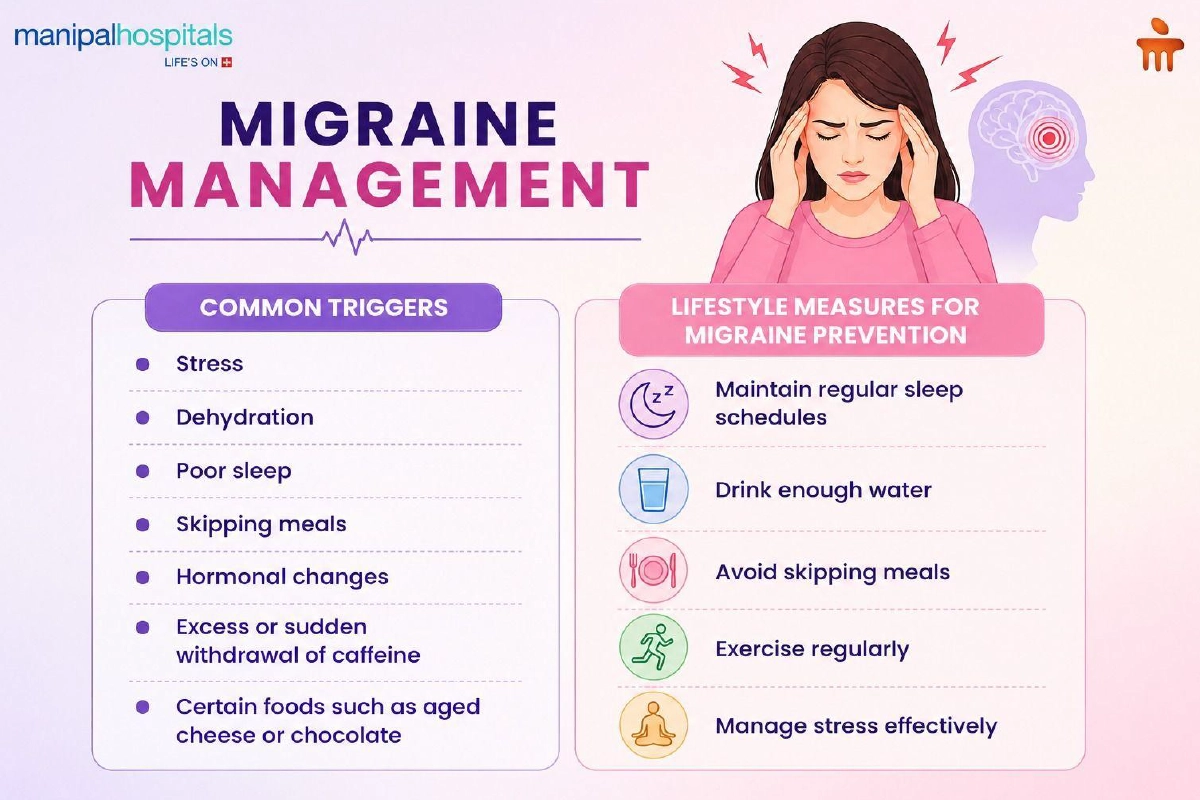
When your nervous system is this sensitive, everyday things like getting dehydrated, feeling stressed, skipping sleep, changing your caffeine intake, or eating certain foods like aged cheese and chocolate can trigger an attack instantly.
Migraine symptoms can vary from person to person, but commonly include:
Throbbing or pulsating head pain
Nausea and vomiting
Sensitivity to light and sound
Blurred vision or visual aura
Dizziness or difficulty concentrating
Fatigue during or after an attack
Getting a proper migraine diagnosis from a specialist, like a neurologist, is the very first thing you need to do. Since there is no blood test that spots a migraine, doctors have to check your body and ask many questions.
Physical and Nerve Checks: Your doctor will test your reflexes, your vision, and your muscle strength to make sure everything works right and rule out other problems.
Symptom Review: They will look closely at your history, including how often you get pain, how long it lasts, and if you get sick to your stomach.
Brain Scans: If your headaches started suddenly or feel different than usual, the medical team might order an MRI or a CT scan.
These give a clear picture of your brain and blood vessels to rule out serious things like blockages, tumours, infections, or bleeding.
Migraines are linked to abnormal brain activity involving nerve pathways, blood vessels, and chemical signals in the brain. Common contributing factors include genetics, hormonal fluctuations, stress, sleep disturbances, dehydration, certain foods, and environmental triggers.
Once you know what you are dealing with, your doctor will build a plan that fits your life. Good migraine management focuses on two separate jobs: stopping an attack when it happens and keeping future ones from starting.
You take these treatments the minute you feel a migraine coming on to provide rapid symptom relief.
Basic Pain Relievers: Over-the-counter pills like ibuprofen or aspirin work well for milder attacks. Taking them alongside anti-sickness meds helps your stomach absorb the painkiller faster. Just be careful: taking these pills more than ten to fifteen days a month can actually cause rebound headaches and make your pain worse.
Triptans: These are prescription pills (like sumatriptan or rizatriptan) that target the pain pathways in your brain. They do narrow your blood vessels slightly, so doctors usually avoid them if you have high blood pressure or heart risks.
Newer Targeted Pills: Medications like lasmiditan or gepants (such as ubrogepant and rimegepant) stop migraine pain without narrowing your blood vessels. They are great options for people with heart concerns, though they can make you quite sleepy.
Nasal Sprays: Fast-acting sprays like dihydroergotamine or zavegepant work within a couple of hours and are helpful for patients experiencing severe nausea or vomiting and cannot keep a pill down.
Migraines can vary significantly from one person to another, which is why effective treatment begins with a personalised approach. At Manipal Hospitals Global, migraine care is delivered by experienced neurologists who evaluate each patient's symptoms, triggers, medical history, and lifestyle factors before creating an individualised treatment plan.
Our specialists use advanced diagnostic tools to distinguish migraines from other neurological conditions and identify factors contributing to recurrent attacks. Depending on the patient's needs, treatment may include acute migraine medications, preventive therapies, Botox injections for chronic migraine, lifestyle modification strategies, and long-term monitoring.
For international patients, Manipal Hospitals Global offers comprehensive care coordination through dedicated international patient services. From scheduling consultations and reviewing medical records before travel to arranging follow-up care after treatment, our teams help ensure a seamless healthcare experience while patients focus on recovery and long-term migraine control.
If your attacks happen frequently and simple painkillers are not effective, you need daily or regular migraine prevention to reduce the number of bad days you have.
Treatment Type | What It Does / Example Medications | Frequency |
| Daily Preventive Pills | Calms overactive brain nerves using medications originally made for blood pressure, seizures, or depression (propranolol, amitriptyline, and topiramate). | Taken daily |
| CGRP Injections | Modern targeted treatments (erenumab and fremanezumab) that block the specific brain chemical that fires off migraine pain. | Monthly shot or every 3 months by IV |
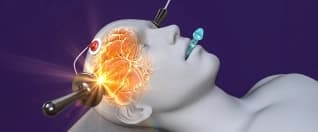
| Nerve Stimulation Devices | Gadgets that use gentle electrical or magnetic pulses on your skin to change how your brain handles pain signals. | Used daily or during an attack |
For patients experiencing frequent migraine episodes, standard treatments usually fail. You need specialised chronic migraine treatment to lower that constant brain sensitivity.
Botox Injections: This procedure involves getting small shots of Botox around your head and neck every twelve weeks. It blocks the pain signals before they can even reach your brain.
Dual-Action Gepants: A pill called 'rimegepant' is unique because you can take it to stop a live attack or take it every other day to act as a preventative.
While migraine medication is important, your daily habits also play a significant role. Keeping your body on a strict schedule keeps your nervous system stable.
Lock In a Routine: Go to bed and wake up at the exact same time every day. Drink plenty of water and do not skip meals, because sudden blood sugar drops are a massive trigger.
Natural Relief Options: Regular, gentle exercise like walking or cycling helps lower stress. Many patients also find relief by adding therapies like acupuncture, biofeedback, or cognitive behavioural therapy to relax their body's stress response.
Migraines usually follow a familiar pattern. However, you should definitely book an appointment if your headaches start happening more often, feel much worse, or if your usual pills completely stop working.
Sometimes a headache is actually a warning sign for a dangerous medical emergency like a stroke, aneurysm, or severe infection. Go to the nearest hospital immediately if you experience:
A sudden, blinding headache that peaks in seconds like a clap of thunder.
A headache along with a high fever, a stiff neck, confusion, seizures, double vision, or numbness.
A severe headache that starts right after you hit your head.
A headache that gets much worse when you cough, strain, or move suddenly.
A brand-new type of headache if you are over fifty years old.
Dealing with severe migraines is exhausting, but you do not have to just live with it. You can find real ways to get relief, from tracking down your triggers with a proper migraine diagnosis to starting newer prevention therapies. If your current setup isn't working, talk to a specialist. Checking out modern migraine treatment options can help you drop the pain, improve symptom control and quality of life.
If you are travelling from abroad and looking for world-class care, Manipal Hospital Global for Patient Care is here to help you every step of the way. We can arrange your expert consultations, handle medical translations, and coordinate your complete treatment plan for a smooth, stress-free experience. Get in touch with the Manipal Hospital Global’s team today to book your appointment and start your path toward lasting relief.

Not sure what you’re looking for?
Not sure what you’re looking for?
Get in touch with our representatives for
help!
Get in touch with our
representatives for help!