Liver Transplant Surgery: What International Patients Need to Know
Reviewed by: Gastro Science Department
Posted on Apr 28, 2026
8 Min Read
Synopsis
Understanding the Liver and Its Importance
The liver is one of the largest and most vital organs in the human body. It performs over 500 essential functions that keep the body healthy.
Some of its critical roles include:
- Filtering toxins and harmful substances from the blood
- Producing bile to help digest fats
- Regulating blood clotting
- Storing vitamins and minerals
- Processing nutrients from food
- Supporting immune function
When the liver becomes severely damaged due to chronic disease or acute failure, it may no longer perform these functions effectively. In such cases, liver transplant surgery may become the only treatment option that can save the patient’s life.
What is liver transplant surgery?
It is a surgical procedure in which a diseased or failing liver is removed and replaced with a healthy liver from a donor.
There are two main types of liver transplant procedures:
1. Deceased Donor Liver Transplant (DDLT)
In this type, the healthy liver comes from a donor who has been declared brain-dead but whose organs are functioning.
2. Living Donor Liver Transplant (LDLT)
A healthy person donates a portion of their liver to the patient. Because the liver has the unique ability to regenerate, both the donor’s liver and the recipient’s transplanted portion can grow back to normal size over time.
Living donor transplants are especially beneficial for international patients because they reduce waiting time for a suitable organ.
Why Patients May Need Liver Transplant Surgery
Patients may require Liver Transplant Surgery when their liver is severely damaged and no longer functions properly.
Common conditions leading to transplantation include:
- Liver cirrhosis (scarring of the liver)
- Chronic hepatitis B or hepatitis C infection
- Alcohol-related liver disease
- Non-alcoholic fatty liver disease (NAFLD)
- Liver cancer (hepatocellular carcinoma)
- Acute liver failure
- Genetic liver diseases such as Wilson’s disease or haemochromatosis
- Biliary atresia (common in children)
When medications and other treatments fail to control these conditions, a transplant may be the best option for survival.
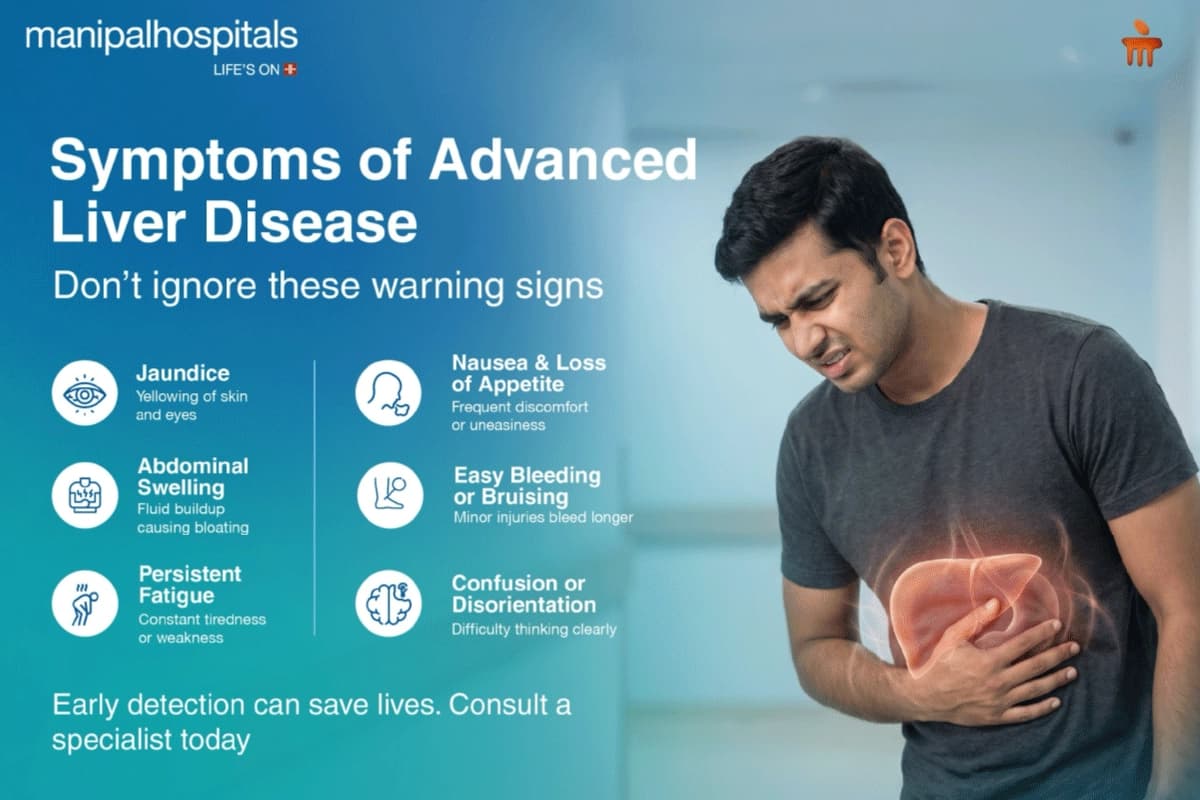
Symptoms of Advanced Liver Disease
Patients with severe liver disease may experience:
- Persistent fatigue
- Yellowing of the skin and eyes (jaundice)
- Swelling in the abdomen (ascites)
- Loss of appetite
- Nausea and vomiting
- Easy bruising or bleeding
- Confusion or memory problems
- Severe itching
If these symptoms worsen, doctors may evaluate the patient for liver transplant surgery.
The Liver Transplant Surgery Process
Understanding the liver transplant surgery process can help patients and families prepare for treatment abroad.
1. Medical Evaluation
The transplant team conducts a detailed assessment that includes:
- Blood tests
- Imaging scans (CT or MRI)
- Liver function tests
- Heart and lung evaluation
- Screening for infections
- Psychological assessment
This evaluation determines whether the patient is medically fit for transplant.
2. Finding a Suitable Donor
Once approved for transplant, the next step is identifying a donor.
For international patients, two options are usually available:
- Waiting for a deceased donor organ
- Arranging a compatible living donor
Compatibility tests include:
- Blood group matching
- Tissue compatibility
- Overall health assessment of the donor
3. Pre-Transplant Preparation
Before surgery, the patient may undergo:
- Nutritional support
- Treatment of infections
- Optimisation of overall health
- Counselling about transplant risks and expectations
Patients travelling internationally are usually advised to arrive several days before surgery to complete final evaluations.
4. Liver Transplant Surgery
During liver transplant surgery, surgeons remove the damaged liver and replace it with a healthy donor liver.
Key surgical steps include:
- Removal of the diseased liver
- Placement of the donor liver
- Connecting blood vessels
- Reconnecting bile ducts
- Restoring blood flow to the new liver
The surgery is performed by a specialised transplant team including hepatologists, transplant surgeons, anesthesiologists, and critical care experts.
Liver Transplant Surgery Time
Many international patients ask about liver transplant surgery time.
Typically:
- The surgery lasts 6 to 12 hours
- Complex cases may take longer
- Living donor procedures involve two simultaneous surgeries
After surgery, patients are transferred to the intensive care unit (ICU) for close monitoring.
Hospital Stay After Transplant
Most patients stay in the hospital for 2 to 3 weeks after liver transplant surgery.
During this time doctors monitor:
- Liver function
- Signs of rejection
- Infection risk
- Medication response
Patients are gradually encouraged to walk, eat normally, and regain strength before discharge.
Liver Transplant Surgery Recovery
The liver transplant surgery recovery period varies depending on the patient’s overall health and the complexity of surgery.
Typical recovery stages include:
First Month
- Regular monitoring
- Immunosuppressive medications
- Gradual increase in physical activity
Three to Six Months
- Liver function stabilises
- Patients return to routine daily activities
- Regular follow-up tests
Long-Term Recovery
Many transplant recipients return to work and lead healthy lives within six months to one year.
Lifestyle adjustments include:
- Taking medications consistently
- Maintaining a healthy diet
- Avoiding alcohol
- Regular medical check-ups
Possible Risks and Complications
Although liver transplant surgery has a high success rate, potential complications may include:
- Organ rejection
- Infection
- Blood clots
- Bile duct complications
- Side effects of immunosuppressive medication
However, with experienced transplant teams and proper follow-up care, most complications can be managed effectively.
Success Rates of Liver Transplant Surgery
Advances in transplant medicine have significantly improved survival outcomes.
Current statistics indicate:
- 85–90% survival rate in the first year
- 70–75% survival rate after five years
Many patients live for decades after a successful transplant.
Why International Patients Travel for Liver Transplant Surgery
Medical travel for liver transplant surgery has increased in recent years due to several factors:
Advanced Medical Infrastructure
Top transplant centres offer cutting-edge surgical technology and highly experienced surgeons.
Cost Advantage
Many countries provide world-class transplant care at a fraction of the cost compared to Western healthcare systems.
Shorter Waiting Times
Living donor transplant programmes allow patients to receive treatment faster.
Comprehensive International Patient Services
Hospitals often provide:
- Visa assistance
- Airport pickup
- Dedicated international coordinators
- Language interpretation
- Post-treatment follow-up
Importance of Early Liver Health Awareness
Events such as World Liver Day help raise awareness about liver diseases and encourage people to take preventive measures.
Healthy habits that support liver health include:
- Limiting alcohol consumption
- Maintaining a balanced diet
- Exercising regularly
- Getting vaccinated for hepatitis
- Avoiding unnecessary medications
- Regular health check-ups
Early detection of liver disease can prevent complications and reduce the need for transplantation.
Life After Liver Transplant Surgery
Life after liver transplant surgery can be fulfilling and active when patients follow medical advice.
Patients are encouraged to:
- Maintain a healthy body weight
- Follow a balanced diet rich in fruits and vegetables
- Exercise regularly
- Avoid smoking and alcohol
- Attend routine medical appointments
With proper care, the transplanted liver can function effectively for many years.
Conclusion:
For patients with end-stage liver disease, liver transplant surgery offers a life-saving treatment and the possibility of a healthier future. Understanding what liver transplant surgery is, the detailed liver transplant surgery process, the expected liver transplant surgery time, and the stages of liver transplant surgery recovery helps international patients make informed healthcare decisions.
At Manipal Hospitals Global, international patients benefit from world-class transplant expertise, advanced medical technology, and comprehensive care throughout their treatment journey. The hospital’s multidisciplinary transplant teams, modern infrastructure, and dedicated international patient services ensure that patients from across the world receive safe, personalised, and high-quality care.
From pre-transplant evaluation to post-operative recovery and long-term follow-up, Manipal Hospitals Global remains committed to delivering trusted, patient-centred liver transplant care for individuals seeking treatment abroad.
Share this Article


Not sure what you’re looking for?
Not sure what you’re looking for?
Get in touch with our representatives for
help!
Get in touch with our
representatives for help!