Meningitis: Early Signs, Clinical Causes, Treatment, and Prevention
Reviewed by: Neurology Department
Posted on Nov 18, 2026
10 Min Read
Synopsis
What Is Meningitis?
The brain and spinal cord are cushioned and shielded by three delicate layers of connective tissue known collectively as the meninges:
- The dura mater (the tough outer layer closest to the skull)
- The arachnoid mater (the web-like middle layer)
- The pia mater (the delicate inner layer that clings directly to brain tissue)
Flowing between these layers is cerebrospinal fluid (CSF), which nourishes nerve tissue and absorbs everyday shocks. Meningitis occurs when viruses, bacteria, fungi, or other irritants manage to enter this fluid and trigger acute swelling across the membranes. Because these tissues sit in direct contact with the central nervous system, uncontrolled swelling can compress cranial nerves, disrupt local blood flow, and irritate brain tissue.
The Main Types of Meningitis
Doctors classify the illness based on the underlying organism or trigger. Understanding the different types of meningitis is crucial because each demands a completely different medical approach:
Bacterial Meningitis
The most dangerous and time-critical form. While less common than viral cases, bacterial infections progress with frightening speed, often turning critical within 24 to 48 hours. The bacteria produce toxins that inflame the meninges, increase pressure inside the skull, and can cause systemic blood poisoning (septicaemia). It requires immediate, high-dose intravenous hospital treatment.
Viral Meningitis
By far the most common type. While it causes intense headaches, fever, and exhaustion, it is generally less life-threatening than bacterial infection. Most patients with a healthy immune system recover completely within seven to fourteen days with supportive care, plenty of fluids, and targeted pain relief.
Fungal Meningitis
A rare, slow-developing form that typically affects people with weakened immune systems, such as individuals undergoing cancer chemotherapy, organ transplant recipients, or those with advanced HIV. It is usually contracted by inhaling microscopic fungal spores from soil or bird droppings.
Parasitic and Amoebic Meningitis
Extremely rare conditions caused by microscopic parasites or free-living water amoebas (such as Naegleria fowleri). These organisms enter the body through the nasal passages, usually when someone swims or dives in warm, unchlorinated freshwater lakes or hot springs.
Non-Infectious Meningitis
Swelling that is not caused by an active germ. Triggers include autoimmune conditions like systemic lupus erythematosus, certain medications (such as high doses of non-steroidal anti-inflammatory drugs), head trauma, or brain surgeries.
Common Meningitis Causes
Looking into meningitis causes reveals how different germs exploit access routes into the central nervous system:
- Respiratory and Droplet Spread: Many common bacteria live harmlessly in the human nose and throat without causing disease. However, close contact, coughing, sneezing, or sharing cups can transmit them to others. Under certain conditions, these bacteria breach the mucous membranes, enter the bloodstream, and travel straight into the brain. Common culprits include Streptococcus pneumoniae, Neisseria meningitidis (meningococcus), and Haemophilus influenzae type b (Hib).
- Enteroviral Spread: Viruses responsible for hand-foot-and-mouth disease, stomach bugs, or common respiratory illnesses can migrate to the meninges, particularly during late summer and autumn months.
- Direct Spread from Local Infections: Severe, untreated infections in nearby structures, such as a deep inner ear infection (otitis media) or an aggressive sinus infection, can wear through thin bone barriers and enter the cranial space.
- Structural Breaches: Skull fractures resulting from road traffic accidents or direct head trauma create a physical opening for skin and environmental bacteria to enter the cerebrospinal fluid directly.
Recognising Meningitis Symptoms
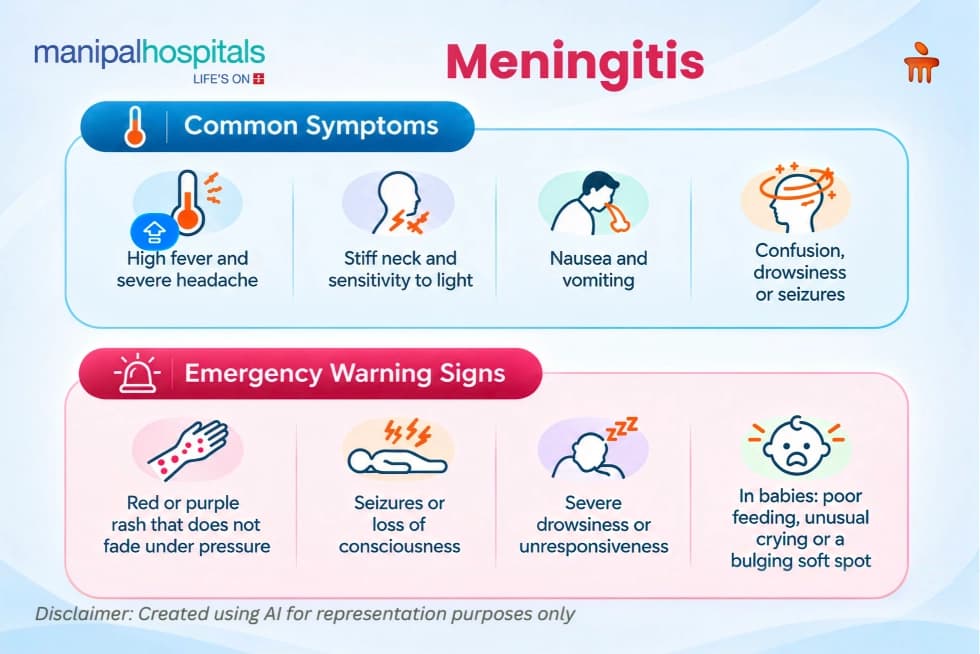
The classic clinical picture revolves around what doctors call the "meningeal triad": high fever, severe headache, and neck stiffness. However, symptoms vary depending on the patient's age and the type of germ involved.
Common meningitis symptoms in adults and older children include:
- Sudden High Fever: Accompanied by severe shivering, cold hands, and cold feet.
- Severe, Splitting Headache: Unlike a tension headache, this pain is intense and deep and does not ease with routine over-the-counter painkillers.
- Nuchal Rigidity (Stiff Neck): The muscles at the back of the neck spasm tightly to protect the swollen spinal cord. It becomes extremely painful or impossible to bend the neck forward so the chin touches the chest.
- Photophobia: An intense aversion to light, where normal daylight or indoor room lighting feels painful to the eyes.
- Confusion and Drowsiness: Difficulty concentrating, slurred responses, uncharacteristic confusion, or trouble staying awake.
- Nausea and Projectile Vomiting: Triggered directly by rising pressure inside the skull rather than a simple upset stomach.
- Seizures: Abnormal electrical activity in the brain caused by direct cortical irritation.
The Non-Blanching Rash (Meningococcal Septicaemia)
One of the most distinctive bacterial meningitis symptoms is a petechial or purpuric rash. It begins as tiny, pinprick red or purple spots on the skin that look like small flea bites, often starting on the torso or legs before spreading.
To test this rash, press the side of a clear drinking glass firmly against the spots. If the spots remain clearly visible through the glass without fading or turning pale, it is a non-blanching rash. This signals that bacteria have damaged the blood vessels, causing tiny bleeds under the skin. It is an immediate medical emergency.
Warning Signs in Babies and Toddlers
Babies often cannot express headaches or stiff necks. Instead, parents should watch for:
- A tense or visibly bulging soft spot (fontanelle) on top of the head
- A constant, unusually high-pitched, irritable moaning or crying
- Becoming floppy, limp, and unresponsive, or refusing all feeds
- Arching the back and screaming when picked up or handled
- Pale, blotchy, or mottled skin
Modern Meningitis Treatment
Speed is the defining factor in successful recovery. In suspected bacterial cases, doctors do not wait for test results; they begin treatment the moment the condition is considered likely. Key pathways for meningitis treatment include:
- Intravenous Antibiotics: For bacterial infections, broad-spectrum antibiotics (such as ceftriaxone or vancomycin) are infused directly into a vein immediately. Once the spinal tap culture identifies the specific organism, the doctor switches to targeted narrow-spectrum antibiotics for ten to twenty-one days.
- Corticosteroids (Dexamethasone): Administered alongside the first dose of antibiotics to calm acute inflammation, lower pressure in the skull, and significantly reduce the risk of long-term complications like permanent hearing loss.
- Antiviral Medications: If testing points to specific viral triggers, such as the Herpes Simplex Virus, intravenous acyclovir is started straight away. Most other viral forms require supportive care with intravenous hydration, fever reducers, and rest.
- Antifungal Regimens: Prolonged courses of intravenous antifungals (like amphotericin B and flucytosine) are prescribed for fungal infections, followed by oral antifungal tablets for several months.
- Intensive Care Support: Patients with severe bacterial infection or high intracranial pressure are cared for in an Intensive Care Unit (ICU) to manage blood pressure, support breathing, and monitor brain function around the clock.
Practical Meningitis Prevention
Preventing infection is far safer and easier than treating an acute case. Highly effective strategies for meningitis prevention include:
- Timely Vaccination: Modern vaccines provide strong, reliable protection against the primary bacterial causes:
- Pneumococcal Conjugate Vaccine (PCV): Protects against Streptococcus pneumoniae, a leading cause of bacterial meningitis and pneumonia in children and older adults.
- Meningococcal Vaccines (MenACWY and MenB): Shield against common strains of Neisseria meningitidis, recommended for teenagers, college students, travellers, and high-risk groups.
- Haemophilus influenzae type b (Hib) Vaccine: A cornerstone of routine infant immunisation that has virtually eliminated Hib meningitis in vaccinated populations.
- Prophylactic Antibiotics for Contacts: If someone is diagnosed with meningococcal meningitis, close household contacts and immediate family members are given a short course of preventive oral antibiotics to clear any bacteria carried in their throat.
- Everyday Hygiene: Frequent handwashing with soap, covering coughs and sneezes, and avoiding the sharing of water bottles, cutlery, or toothbrushes cut down droplet transmission.
Conclusion
Meningitis is a serious, fast-moving infection, but it is also one where timely action makes all the difference. With high-dose antibiotics, protective steroids, and widespread vaccination programmes, the medical community has the tools needed to beat the infection, protect delicate neurological pathways, and guide patients back to full health. For families seeking specialised neurological diagnostics, dedicated paediatric and adult intensive care, and comprehensive infectious disease management, consult the specialists at Manipal Hospitals Global.
Share this Article


Not sure what you’re looking for?
Not sure what you’re looking for?
Get in touch with our representatives for
help!
Get in touch with our
representatives for help!